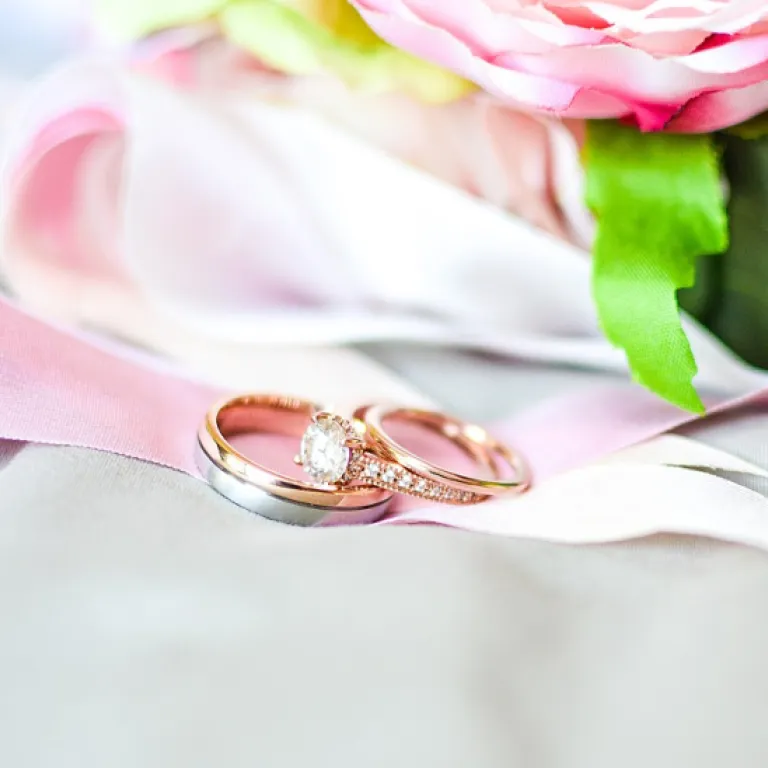
Understanding the appeal of non diamond engagement rings
Why couples are drawn to non diamond engagement rings
Choosing an engagement ring is a deeply personal decision, and more couples today are exploring options beyond the traditional diamond. The appeal of non diamond engagement rings often comes from a desire for something unique, meaningful, and reflective of personal style. While diamonds have long been associated with engagement rings, alternative gemstones like sapphire, emerald, spinel, tanzanite, and moss agate are gaining popularity for their vibrant colors, symbolism, and individuality.
Standing out with color and character
Non diamond rings offer a wide range of colors and characteristics that make each piece truly one-of-a-kind. Sapphires, for example, are available in classic blue, pink, and even Montana sapphire hues. Emeralds bring a lush green, while tanzanite offers a striking violet-blue. These gemstones allow couples to choose a center stone that reflects their personality and love story. The variety of colors and shapes available in alternative gemstones means you can find a ring that stands out from the crowd and feels uniquely yours.
Value, ethics, and personal meaning
Another reason couples are drawn to non diamond engagement rings is the value and ethical considerations. Many alternative gemstones offer a more accessible price point compared to traditional diamond rings. Additionally, couples may seek out stones with ethical sourcing or a story that resonates with them. For some, the symbolism behind a particular gemstone—like the enduring strength of sapphires or the transformative energy of moss agate—adds a layer of meaning to their engagement and wedding rings.
Exploring unique and meaningful options
If you’re searching for a ring that breaks away from tradition, you might be interested in exploring unique and meaningful engagement ring options. From gold wedding bands set with colored gemstones to salt and pepper diamonds that showcase natural inclusions, the possibilities are endless. Whether you’re considering a sapphire engagement ring, a bold emerald center stone, or a delicate pink sapphire, non diamond engagement rings offer a world of creative expression and personal significance.
Popular alternatives to diamonds
Exploring Distinctive Gemstones for Engagement Rings
When it comes to engagement rings, diamonds have long been the classic choice. However, many couples today are seeking unique options that reflect their personal style and values. The world of non diamond engagement rings offers a vibrant palette of gemstones, each with its own character, color, and story. Here are some of the most popular alternatives to diamonds for your engagement or wedding ring:
- Sapphire: Sapphires are a timeless favorite, especially in deep blue hues. They are known for their durability, ranking 9 on the Mohs hardness scale, making them suitable for everyday wear. Sapphires also come in a variety of colors, including pink sapphire, yellow, and even white. Montana sapphire is gaining popularity for its unique shades and ethical sourcing.
- Emerald: With their rich green color, emeralds bring a sense of luxury and individuality to engagement rings. While not as hard as sapphires or diamonds, emeralds can be set securely as a center stone with proper care.
- Spinel: Spinel is a versatile gemstone available in a range of colors, from vibrant red to deep blue and even black. It is often chosen for its brilliance and affordability compared to diamond rings.
- Tanzanite: Known for its striking violet-blue hue, tanzanite is a rare gemstone that adds a modern twist to engagement rings. Its unique color makes it a standout choice for those seeking something different.
- Moss Agate: For a truly one-of-a-kind look, moss agate features natural inclusions that resemble moss or foliage. Each stone is unique, making it a meaningful option for couples who want a ring as individual as their love story.
- Salt and Pepper Diamonds: These diamonds contain natural inclusions, giving them a speckled, smoky appearance. They offer a distinctive alternative to traditional white diamonds and are often chosen for their organic, earthy look.
When selecting a gemstone for your engagement ring or wedding band, consider factors like color, price, and durability. Gold wedding bands and settings can complement the chosen gemstone, whether you prefer classic yellow gold or modern white gold. Remember, the center stone is the focal point of your ring, so choose a gemstone that resonates with your personal style and the symbolism you want to convey.
For even more unique and meaningful options, you might want to explore choosing a Coraline ring for your wedding, which offers a fresh perspective on alternative engagement rings.
How to choose the right alternative stone
Factors to Consider When Selecting Your Center Stone
Choosing the right gemstone for your engagement ring is about more than just appearance. It’s a balance of durability, color, symbolism, and budget. Here are some key points to help you find the perfect alternative to diamonds:- Durability and Mohs Hardness: Engagement rings and wedding rings are worn daily, so the gemstone’s hardness matters. Diamonds top the Mohs hardness scale at 10, but sapphires (including blue sapphire, pink sapphire, and Montana sapphire) are also very durable at 9. Spinel and tanzanite are less hard, so they may require more care. Moss agate and emerald are softer, making them better suited for occasional wear or protective settings.
- Color and Personal Style: Non diamond engagement rings offer a wide range of colors. Sapphires come in blue, pink, yellow, and even white. Emeralds provide a rich green, while spinel can be found in red, blue, and black. Moss agate has unique green inclusions, and salt pepper diamonds offer a moody, speckled look. Think about which color best reflects your personality and style.
- Symbolism and Meaning: Each gemstone carries its own meaning. Sapphires symbolize loyalty, emeralds represent renewal, and tanzanite is associated with transformation. Consider what you want your center stone to represent in your love story. For more on the symbolism behind these gemstones, check out our earlier discussion in this article.
- Price and Value: Alternative gemstones can offer significant savings compared to traditional diamond rings. Sapphires and spinel often come at a lower regular price, while emeralds and tanzanite can vary based on quality. Consider your budget and how much you want to invest in your engagement ring or wedding band.
- Setting and Metal Choice: The color of your gemstone can influence your choice of metal. Gold wedding bands, especially yellow or rose gold, can enhance the warmth of sapphires and emeralds. White gold or platinum settings can make blue sapphires and tanzanite pop. The setting should also protect softer stones from daily wear.
Comparing Popular Gemstone Options
| Gemstone | Color Options | Mohs Hardness | Symbolism | Best For |
|---|---|---|---|---|
| Sapphire (including Montana sapphire) | Blue, pink, yellow, white | 9 | Loyalty, wisdom | Daily wear, sapphire engagement rings |
| Spinel | Red, blue, black, pink | 8 | Energy, revitalization | Unique color lovers |
| Emerald | Green | 7.5-8 | Renewal, growth | Occasional wear, vintage-inspired rings |
| Tanzanite | Blue-violet | 6-7 | Transformation | Statement pieces |
| Moss Agate | Green inclusions | 6.5-7 | Nature, new beginnings | Bohemian, nature-inspired rings |
| Salt Pepper Diamond | Gray, speckled | 10 | Individuality | Modern, alternative diamond engagement rings |
Design Inspiration for Your Unique Ring
If you’re drawn to artistic or vintage-inspired designs, consider exploring styles like Art Nouveau, which often feature colorful gemstones and intricate gold work. For more inspiration on unique engagement rings, visit our guide on choosing an Art Nouveau engagement ring. Remember, your engagement ring and wedding band should reflect your unique love story, whether you choose a blue sapphire, a moss agate, or a salt pepper diamond as your center stone.Symbolism and meaning behind alternative stones
What Your Center Stone Says About Your Love
Choosing a non diamond engagement ring opens up a world of meaningful gemstones, each with its own story and symbolism. The center stone you select can reflect your relationship, values, and personal style. Here’s a look at what some popular alternatives represent:
- Sapphire: Known for its rich blue color, sapphire symbolizes loyalty, wisdom, and sincerity. Blue sapphire engagement rings are classic, but sapphires also come in pink, yellow, and even green. Montana sapphire, with its unique hues, is prized for individuality and American origin.
- Emerald: The deep green of emeralds stands for growth, harmony, and renewal. This gemstone is perfect for couples who value balance and a fresh start together.
- Spinel: Available in a range of colors, spinel is associated with revitalization and energy. It’s a great choice for those who want a vibrant, less traditional look.
- Tanzanite: With its striking blue-violet color, tanzanite represents transformation and spiritual growth. It’s a rare gemstone, making it a unique pick for engagement rings.
- Moss Agate: This gemstone features natural green inclusions, symbolizing nature, abundance, and new beginnings. It’s ideal for couples who feel connected to the earth.
- Salt and Pepper Diamonds: These diamonds have unique inclusions, giving them a speckled appearance. They represent individuality and embracing imperfections, offering a twist on the traditional diamond engagement ring.
Color, Hardness, and Meaning
The color of your gemstone can also carry personal significance. Blue sapphires evoke calm and trust, while pink sapphires express love and compassion. Emeralds’ green tones are linked to prosperity, and the white sparkle of moissanite or salt and pepper diamonds can symbolize clarity and honesty.
When choosing your center stone, consider the Mohs hardness scale. Sapphires and spinel are durable options for everyday wear, while emeralds require a bit more care. This ties into how you’ll care for your ring over time, ensuring it remains a cherished symbol of your commitment.
More Than Just a Ring
Ultimately, your engagement ring or wedding band is more than just a piece of jewelry. Whether you opt for gold, white gold, or another metal, and whether your gemstone is sapphire, emerald, or something else, the meaning behind your choice will fill your wedding rings with personal significance. The right gemstone can make your engagement ring a true reflection of your unique love story.
Customizing your non diamond engagement ring
Personalizing Your Engagement Ring Design
When it comes to non diamond engagement rings, customization is where your love story truly shines. Alternative gemstones like sapphire, emerald, spinel, tanzanite, and moss agate offer a wide palette of colors, shapes, and settings to reflect your unique style. Whether you’re drawn to the deep blue of a Montana sapphire or the soft green of an emerald, the center stone can be tailored to your taste and personality.Choosing the Right Metal and Setting
The metal you select for your engagement ring or wedding band can dramatically influence the overall look. Gold, whether yellow, white, or rose, remains a classic choice and pairs beautifully with most gemstones. For a modern twist, consider a white gold wedding band to complement a blue sapphire or a pink sapphire center stone. The setting style—bezel, prong, or halo—also affects how the gemstone catches the light and how secure it is for daily wear.- Gold wedding bands: Timeless and versatile, suitable for both classic and contemporary designs.
- Prong settings: Highlight the center gemstone, maximizing brilliance for sapphires and spinels.
- Bezel settings: Offer extra protection, ideal for softer stones on the Mohs hardness scale.
Accent Stones and Unique Details
Enhance your engagement ring with accent stones or intricate details. Salt and pepper diamonds, for example, can add a touch of character and contrast when set alongside colored gemstones. Small sapphires, diamonds, or even tanzanite can be used as side stones or in the wedding band to create a cohesive set. Engraving or filigree work adds a personal touch, making your ring truly one-of-a-kind.Balancing Budget and Beauty
Customization allows you to control the price without sacrificing style. Alternative gemstones often come at a more accessible regular price compared to traditional diamond rings. By selecting a unique center stone and pairing it with thoughtful design elements, you can create a meaningful engagement ring or wedding ring that fits your budget and stands out from the crowd.Coordinating with Wedding Bands
Consider how your engagement ring will pair with your wedding band. Some couples opt for matching gemstones, such as blue sapphires or moss agate, in both rings. Others prefer a contrast, like a gold wedding band next to a colorful center stone. Custom jewelers can help you design a set that fits together perfectly, ensuring comfort and harmony for years to come.Caring for your non diamond engagement ring
Everyday Care for Lasting Beauty
Non diamond engagement rings, whether set with sapphire, emerald, spinel, tanzanite, or moss agate, deserve thoughtful care to keep their color and brilliance. While diamonds are known for their durability, many alternative gemstones rank lower on the Mohs hardness scale. This means they can be more prone to scratches or chips if not handled with care.
- Remove your ring during heavy activities like gardening, cleaning, or sports to avoid accidental damage.
- Store your ring separately from other jewelry. Gemstones like sapphires and emeralds can scratch softer stones, and even gold wedding bands can develop marks if stored together.
- Avoid harsh chemicals such as bleach or chlorine, which can dull the shine of your gemstone and affect the metal setting.
Cleaning Your Alternative Gemstone Ring
Regular cleaning helps maintain the sparkle of your engagement ring. Most non diamond gemstones, including blue sapphire, pink sapphire, and Montana sapphire, can be cleaned with mild soap and warm water. Use a soft brush to gently clean around the center stone and setting. Rinse thoroughly and dry with a lint-free cloth.
- For rings with intricate settings or multiple gemstones, consider professional cleaning once or twice a year.
- Avoid ultrasonic cleaners for softer stones like tanzanite or moss agate, as vibrations can cause cracks.
Protecting Your Investment
Choosing a non diamond engagement ring is a personal and meaningful decision. To ensure your ring remains a symbol of your love story for years to come, consider these tips:
- Have your ring inspected by a jeweler annually to check the security of the center stone and the integrity of the setting.
- Insure your engagement and wedding rings to protect against loss, theft, or accidental damage.
- Be mindful of the regular price and value of your gemstone when choosing insurance coverage.
With proper care, your unique engagement ring—whether set with sapphires, emeralds, or another vibrant gemstone—will continue to shine as brightly as your love, making it a cherished part of your wedding journey.