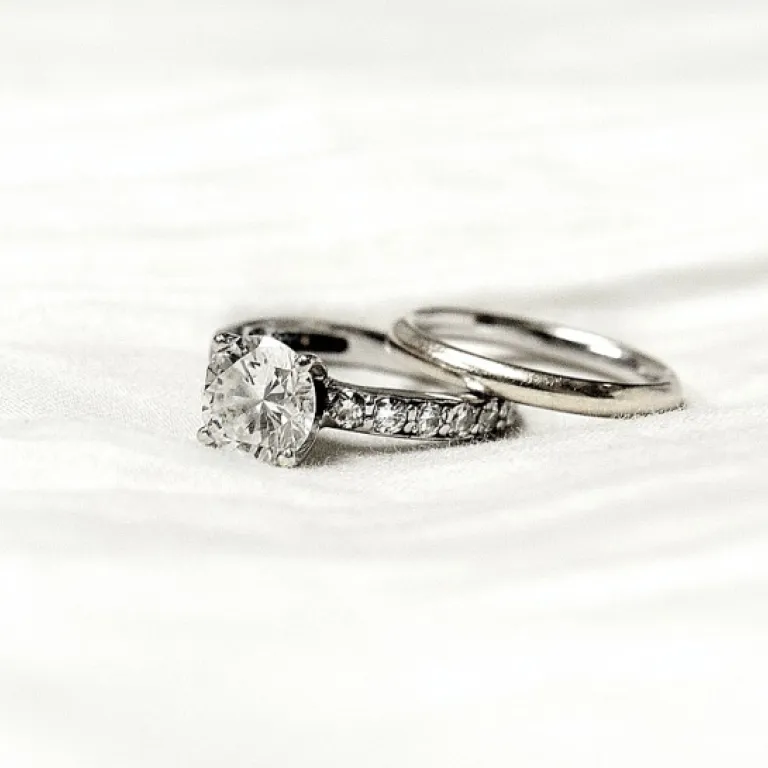
Understanding the importance of authenticity in wedding rings
Why Authenticity Matters in Your Diamond Ring
When choosing an engagement ring or wedding ring, knowing if the diamond is real is more than just a detail—it’s about trust, value, and peace of mind. A real diamond holds its worth over time, while a fake diamond or stone fake can lead to disappointment and financial loss. The authenticity of your diamond will also affect how the stone reflects light, its durability, and its overall beauty.
Many couples want to be sure their engagement rings feature real diamonds, not only for the investment but also for the emotional significance. A diamond ring is a symbol of commitment, so it’s important to verify authenticity before making such a meaningful purchase. This is where understanding the difference between a real diamond and a fake diamond becomes essential.
- Real diamonds are valued for their rarity and brilliance, while fake stones may look similar at first glance but lack the same qualities.
- Knowing how to tell if a diamond is real can help you avoid scams and ensure your ring is as special as your relationship.
- Simple at-home tests, professional evaluations, and certification all play a role in confirming your diamond’s authenticity.
When you’re ready to buy, always consider working with a trusted jeweler who can provide documentation and answer your questions. If you want to learn more about what to look for in a high-value diamond, check out this guide on what to know before choosing a ten carat diamond ring for your wedding. Being informed will help you make the right choice and enjoy your engagement ring for years to come.
Common signs that may indicate a real diamond
Visual Clues That Help You Spot a Genuine Diamond
When you’re looking at an engagement ring or any diamond jewelry, there are a few quick, easy signs that may help you tell if the stone is real or fake. While these clues are not foolproof, they can give you a starting point before you move on to more advanced tests or consult a trusted jeweler.
- Check the setting and craftsmanship: Real diamonds are usually set in high-quality metals like gold or platinum. If the ring is marked with “14K,” “18K,” or “PT,” it’s a good sign. Cheap or poorly made settings can be a red flag for a fake diamond.
- Look at how the diamond reflects light: A real diamond will reflect light in a unique way. The inside of the stone should sparkle with shades of gray and white (brilliance), while the outside may reflect rainbow colors (fire). If the stone looks too colorful or glassy, it could be a diamond fake.
- Inspect for scratches: Diamonds are one of the hardest materials on earth. If you see scratches on the surface, the stone may not be a real diamond. However, avoid doing a scratch test yourself, as it can damage both real and fake stones.
- Check for fogging: When you breathe on a real diamond, the fog from your breath should disappear almost instantly. A fake diamond or other stones may stay fogged for a few seconds longer.
- Examine the stone from different angles: Real diamonds have sharp, crisp edges and facets. If the edges look rounded or the facets are poorly cut, you may be looking at a fake diamond.
These signs are just the beginning. If you want to be sure your diamond is real, you’ll want to try some simple at-home tests or consult with professional jewelers for a more reliable answer. For more tips on choosing the perfect engagement ring, check out this guide on pear cut engagement ring sets.
Simple at-home tests for your diamond ring
Quick and Easy Ways to Check Your Diamond at Home
Before you visit a professional jeweler, there are a few simple tests you can try at home to get an idea if your diamond ring is real or fake. These methods are not a substitute for expert verification, but they can help you spot obvious signs that your stone might not be a real diamond.
- The Fog Test: Hold your ring between two fingers and breathe on the stone to create a light fog. If the diamond is real, the fog will dissipate almost instantly due to its high thermal conductivity. If it lingers for a few seconds, your stone may be fake.
- The Water Test: Fill a glass with water and gently drop your loose diamond or ring into it. A real diamond will sink to the bottom because of its density, while a fake diamond may float or sink slowly.
- The Scratch Test: Diamonds are one of the hardest materials on earth. Try gently scratching a mirror or glass surface with the stone. A real diamond will scratch the surface, but this test can damage your jewelry, so use caution and consider safer options first.
- Light Reflection: Place your diamond under a normal lamp. Real diamonds reflect light in unique ways, producing both white and colored light. If your stone only reflects rainbow colors and lacks brilliance, it could be a fake diamond.
- Check the Setting and Mount: Real diamonds are usually set in high-quality metals like gold or platinum. If the ring is stamped with "14K," "18K," or "PT," it’s more likely to hold a real diamond. Cheap settings may indicate a fake stone.
These quick easy tests can help you tell if your diamond is real, but they are not foolproof. If you want to be sure your engagement ring or wedding ring contains a real diamond, it’s best to consult trusted jewelers or use professional methods to verify authenticity. For more creative ring ideas, you might also enjoy this guide on choosing a flower turquoise ring for your wedding.
Professional methods to verify authenticity
How Experts Confirm If Your Diamond Is Real
When you want to be absolutely sure your diamond ring is authentic, professional jewelers use advanced tools and techniques that go beyond quick easy at-home tests. These methods are reliable and help you avoid the disappointment of discovering your stone is fake.- Loupe Inspection: A trusted jeweler will use a jeweler’s loupe to examine the stone closely. They look for natural imperfections, called inclusions, which are often present in real diamonds. A flawless stone might actually be a fake diamond or a lab-created gem.
- Thermal Conductivity Test: Real diamonds conduct heat differently than most fakes. Professionals use a diamond tester that measures how quickly heat moves through the stone. If the diamond is real, it will disperse heat rapidly. Most fake diamonds, like cubic zirconia, fail this test.
- Electronic Testing: Some jewelers use electronic devices that can distinguish between diamonds and other stones by measuring electrical conductivity. This is especially helpful for identifying moissanite, which can sometimes pass as a diamond in other tests.
- UV Light Examination: Under ultraviolet light, many real diamonds will show a blue fluorescence, though not all do. This test alone isn’t enough to confirm authenticity, but it can be a useful clue when combined with other methods.
- Microscope Analysis: Using a microscope, professionals can inspect the setting and the stone’s surface. They check for laser inscriptions, which are often present on certified diamonds, and look for signs of wear or fill that might indicate a fake stone.
Why certification matters when buying a wedding ring
Why a Diamond Certificate Is Essential
When you buy an engagement ring or wedding ring, having a certificate for your diamond is one of the most important steps to verify authenticity. A certificate is an official document from a trusted jeweler or gemological laboratory that confirms the diamond is real and provides details about its quality. This document is more reliable than any quick easy at-home test or visual inspection.What a Certificate Includes
A diamond certificate usually contains:- Confirmation that the stone is a real diamond, not a fake diamond or imitation
- Details about the diamond’s cut, color, clarity, and carat weight
- Information about the setting and whether the diamond is natural or lab-created
- Unique identification number for the diamond
Benefits of Certified Diamonds
- Peace of mind: You can be sure the diamond in your ring is real and matches the description
- Easy resale or insurance: Certified diamonds are easier to insure and sell, as their value is documented
- Protection against scams: Certification helps you avoid buying a stone fake or diamond fake
How to Check a Certificate
Always ask to see the diamond’s certificate before you buy. Make sure it comes from a reputable organization, such as the Gemological Institute of America (GIA) or the American Gem Society (AGS). If you are unsure, you can contact the certifying body to verify authenticity using the diamond’s identification number.Certification vs. At-Home Tests
While at-home tests like the scratch test, fog test, or checking how the diamond reflects light can give you some clues, they are not foolproof. Only a professional certificate can guarantee your diamond is real. If you want to be absolutely sure diamond authenticity, always rely on certification from a trusted jeweler or laboratory.What If Your Ring Is Not Certified?
If your engagement ring or wedding ring does not come with a certificate, consider having the stone evaluated by professional jewelers. They can run advanced tests and provide documentation. This step is especially important if you suspect your diamond may not be real or if you want to insure your jewelry. Remember, certification is your best protection when investing in real diamonds for your engagement rings or wedding rings. It is the most reliable way to tell diamond authenticity and avoid disappointment.What to do if you suspect your diamond ring is not real
Steps to Take if You Suspect Your Diamond Isn’t Genuine
If you have doubts about whether your diamond ring is real, it’s important not to panic. There are practical steps you can follow to clarify the authenticity of your stone and protect your investment.- Review previous tests: If you’ve already tried at-home methods like the fog test, scratch test, or checking how the stone reflects light, consider your results. While these quick and easy tests can help, they are not always conclusive.
- Inspect the setting and mount: Real diamonds are usually set in high-quality metals. If your ring’s setting seems cheap or poorly made, it could be a sign the stone is fake.
- Seek a professional opinion: Visit a trusted jeweler or gemologist. Professionals use specialized equipment to test diamond authenticity and can verify if your diamond is real or not. They may perform advanced tests that go beyond what you can do at home.
- Check for certification: Authentic diamonds often come with a certificate from a reputable gemological institute. If you don’t have one, ask the jeweler if they can provide or help you obtain certification. This document is crucial for verifying authenticity and value, especially for engagement rings.
- Request a written appraisal: A professional appraisal will detail the characteristics of your diamond and confirm if it’s genuine. This is especially important for insurance and resale purposes.
- Consider privacy and security: When taking your ring for testing, choose a reputable jewelry store or gemologist. Make sure you understand their privacy policy and how your jewelry will be handled during the process.
