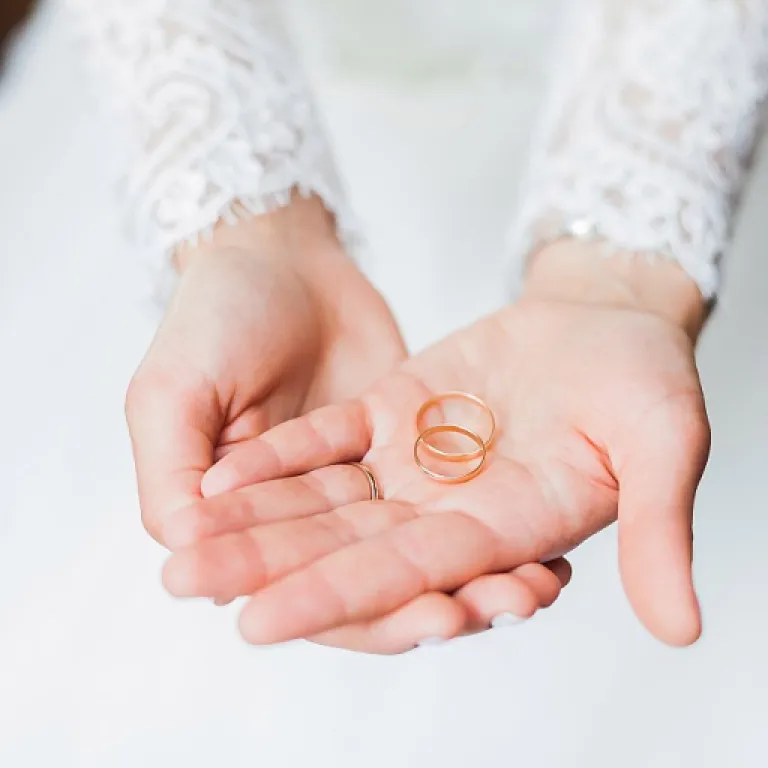
Why a gold filigree ring feels so special for a wedding band
When you first see a gold filigree ring, it often feels different from other wedding rings. There is a sense of story in the tiny curls of metal, a feeling that this piece of jewelry could have existed in another time and still look completely at home on your hand today.
How filigree turns a simple band into a tiny work of art
Filigree is the art of twisting and shaping very fine threads of metal into lace like patterns. On a gold ring, these threads can form scrolls, leaves, flowers, or abstract art deco inspired lines. Instead of a flat surface, you get depth, shadow, and a lot of visual detail in a very small space.
This is why a gold filigree wedding band rarely feels “regular”. Even when the design is subtle, the ring catches the light differently. The open spaces between the wires create contrast, and the curves guide the eye around the band. Many people describe their first view of a filigree ring as seeing a miniature sculpture rather than just a ring.
Compared with smooth modern bands, filigree rings often feel closer to antique or vintage jewelry. They echo the look of art nouveau and early art deco filigree pieces, where jewelers used gold, silver, or metal platinum to build very delicate patterns by hand. If you are drawn to engagement rings that look like heirlooms, a gold filigree ring naturally fits that taste.
Why filigree feels romantic and personal
A wedding band is not only about the metal or the diamond. It is about how the ring reflects your story as a couple. Filigree work helps with that in a few ways :
- It looks timeless – The style appears in many eras, from art nouveau curves to sharper art deco geometry. That makes a gold filigree ring feel like it could be passed down as an heirloom without going out of fashion.
- It invites symbolism – The shapes in the filigree can carry meaning. Vines and leaves can suggest growth, scrolls can echo infinity, and three stone layouts in a filigree setting can represent past, present, and future.
- It feels crafted, not mass produced – Even when modern tools are used, filigree jewelry usually shows the hand of the maker. Tiny differences in the curves and openings make each ring feel like a custom piece.
Because of this, many couples choose filigree rings when they want something more expressive than a plain band but still subtle enough for everyday wear. The ring becomes a quiet detail that people notice when they look closer, not a loud statement you might tire of.
The emotional pull of vintage and antique inspired designs
Gold filigree rings often appeal to people who love vintage or antique jewelry but still want the security of a new piece. You get the romance of old world craftsmanship without worrying about the condition issues that can come with true antique rings.
Designers often borrow from art nouveau and art deco filigree jewelry. You will see flowing organic lines, or more geometric patterns, sometimes combined with a diamond ring or sapphire diamond accents. Even a simple gold filigree band without stones can echo the feeling of antique engagement rings and filigree rings from the early 20th century.
If you are drawn to the fluid, nature inspired lines of early 1900s design, you may also want to explore why many couples choose an art nouveau ring for their wedding. The same love of detail and movement that defines art nouveau often appears in filigree work on wedding bands and engagement rings today.
How metal and stones change the character of filigree
Even before you think about price or regular price ranges, it helps to notice how different metals and stones change the mood of a filigree ring.
- Yellow gold filigree – Warm and classic. It enhances the vintage feel and pairs beautifully with diamond jewelry or colored stones. A yellow gold filigree ring often looks closest to antique pieces.
- White gold filigree – Cooler and more modern, but still romantic. The pale metal makes the shadows in the filigree stand out, especially around a central diamond or three stone layout.
- Platinum filigree – Dense and naturally white, metal platinum gives a luxurious weight to delicate patterns. It is common in high end engagement rings and diamond ring designs where durability is a priority.
- Silver filigree – Often seen in fashion jewelry filigree and filigree pieces that are not meant as lifetime wedding bands. It can be beautiful, but it does not offer the same long term strength as gold or platinum for daily wear.
Stones also play a role. A simple band with only metal filigree feels subtle and old world. Add a central diamond, and it becomes closer to a traditional engagement ring. Choose a sapphire diamond combination, and you get a stronger vintage or deco inspired look. Stone filigree settings, where the pattern wraps around or under the stones, add even more depth and character.
Why filigree is worth understanding before you buy
Because filigree involves so much detail, it can affect both the price and the long term durability of your ring. Two rings may look similar at first view, but the quality of the filigree work, the thickness of the gold, and the way the pattern is built can be very different.
Some filigree rings are created with cast patterns that are then refined by hand. Others use more traditional wire work techniques. Both can be beautiful, but they do not always have the same level of sharpness in the detail or the same strength for everyday wear. Understanding these differences will help you know what you are paying for when you compare filigree jewelry and ring regular listings, especially if you see big gaps in price between similar looking pieces.
As you explore options, you will also notice extras like free shipping, custom engraving, or the choice between gold and platinum. These are helpful, but the heart of the decision is how the filigree itself is made and how it fits your lifestyle. Later, when you look more closely at the craftsmanship, the type of gold, and the questions to ask your jeweler, you will be able to match the beauty of filigree with the practical side of choosing a wedding ring that will last.
Understanding filigree work so you know what you are paying for
What “filigree” really means in fine jewelry
Filigree is not just a pretty pattern on rings ; it is a traditional jewelry technique where thin threads and tiny beads of metal are twisted, curled, and soldered together to create lace like designs. When you look closely at a gold filigree ring, you are seeing hours of careful work in every swirl and open space.
In wedding and engagement rings, filigree is often used to :
- Frame a center diamond or sapphire with delicate scrolls
- Add vintage inspired patterns along the band
- Create airy, open work that lets light pass through the metal
- Echo historic styles such as art deco and art nouveau designs
This is why filigree jewelry tends to feel more romantic and detailed than a plain gold ring. You are not only choosing a metal and a stone ; you are choosing a miniature piece of metalwork art.
How filigree is made, step by step
Understanding how filigree pieces are built helps you understand the price and the value behind them. While every workshop has its own methods, the process usually follows a few key stages.
- Creating the base ring : The jeweler first makes a solid band in gold, platinum, or silver. This base gives strength to the future filigree ring.
- Drawing the fine wires : The metal is pulled through a draw plate to create very thin threads. For gold filigree, this can be yellow, white gold, or even rose gold wire.
- Shaping the design : Each tiny curve, scroll, or leaf is formed by hand or with small tools. This is where the art deco geometry or art nouveau curves really appear.
- Soldering the details : The filigree elements are carefully soldered to the base ring. Too much heat and the pattern melts ; too little and it will not hold.
- Setting stones : If the design includes a diamond ring, sapphire diamond accents, or a three stone layout, the stones are set into the metal after the filigree is secure.
- Finishing and polishing : Finally, the jeweler polishes the ring, sometimes adding a light antique finish to highlight the detail.
All this work explains why filigree rings rarely have a “regular price” similar to a plain band. You are paying for time, skill, and precision, not just for the weight of metal.
Handcrafted filigree versus cast look alike designs
On the market, you will find both true handcrafted filigree jewelry and rings where the pattern is simply cast from a mold. Both have their place, but they are not the same thing.
| Type of filigree | How it is made | What you will notice |
|---|---|---|
| Hand wrought filigree | Individual wires shaped and soldered by hand | Subtle irregularities, crisp open spaces, higher price, strong artisan value |
| Cast filigree look | Entire pattern cast as one piece of metal | More regular and uniform, often thicker, usually lower price, less labor |
Neither option is automatically better, but they feel different on the hand and age differently. Hand worked filigree tends to have sharper, more refined detail and a more authentic vintage or antique character. Cast filigree can be a good choice if you want the look of a filigree ring with a more accessible budget or a slightly sturdier structure for everyday wear.
Recognizing vintage, antique, and vintage inspired filigree
Many couples are drawn to filigree rings because they love the vintage and antique look. It helps to know the language you will see in descriptions of engagement rings and wedding bands.
- Antique filigree : Usually means the ring is more than 100 years old. You may see art deco or art nouveau patterns, old cut diamonds, and softer white gold or metal platinum alloys.
- Vintage filigree : Often used for pieces that are at least a few decades old, but not necessarily antique. The detail may show gentle wear, which many people find charming.
- Vintage inspired filigree : New rings that borrow motifs from older eras. These can be made in modern white gold, yellow gold, or platinum, with contemporary diamond jewelry standards.
If you love the romance of historic styles but want modern durability and sizing options, a vintage inspired gold filigree ring can be a very good balance. For more context on period styles and how they translate into modern designs, you can also explore guides on choosing a Victorian style wedding ring, which often share similar decorative influences.
How filigree affects structure, comfort, and maintenance
Because filigree is made of fine wires and open spaces, it behaves differently from a solid band in daily life. This is important when you think about long term wear, not only the first view in the jewelry case.
- Structure : The base of the ring carries most of the strength. Well made filigree is supported by this base, so the delicate areas are protected. Poorly made filigree can bend or catch more easily.
- Comfort : A good jeweler will smooth the inside so it feels like a regular ring on your finger, even if the outside is full of detail. Try the ring on and gently close your hand to see if anything scratches.
- Cleaning : Filigree rings collect more dust and soap than plain bands. They may need more regular cleaning, especially around a center diamond or stone filigree accents.
These practical points connect directly with how you choose the metal in the next part of your decision. Gold, silver, and metal platinum each behave differently when worked into fine filigree, and that will influence both the look and the long term durability of your engagement ring or wedding band.
Why filigree work changes the price tag
When you compare a filigree ring to a plain gold ring with a similar diamond, the filigree version will almost always cost more. This is not only about the metal or the carat weight of the stone.
The main reasons are :
- Labor : Filigree jewelry requires more bench time. Each curve and bead is an extra operation.
- Skill : Not every jeweler is trained in fine filigree work. Specialized skills usually mean a higher price.
- Complexity : Adding three stone layouts, sapphire diamond accents, or intricate art deco patterns increases the number of steps.
- Finishing : More detail means more careful polishing and quality control.
Some online stores may show a “ring regular” or “regular price” crossed out with a discount, sometimes with free shipping. While that can be attractive, it is still important to look closely at how the filigree is made, what metal is used, and whether the piece is cast or hand finished. A lower price is not a problem by itself, but you want to be sure you are comparing similar levels of craftsmanship.
Comparing metals in filigree work
Filigree can be created in many metals, and each one changes the final look and feel of the ring.
- Yellow gold filigree : Warm, classic, and often associated with vintage and antique rings. The contrast between the bright gold and the shadows in the detail makes patterns stand out.
- White gold filigree : Offers a cooler, more modern tone while still allowing for vintage inspired designs. Often chosen for engagement rings with a central diamond.
- Metal platinum filigree : Very strong and naturally white. Ideal for very fine, crisp filigree work around a diamond ring or three stone design, though usually at a higher price.
- Silver filigree : Softer and more affordable. It can be beautiful for decorative filigree pieces, but may not be as durable for a lifetime wedding band.
When you move on to choosing the right gold and planning how you will wear your ring every day, this understanding of filigree technique and metal behavior will help you ask better questions and make a choice that feels both beautiful and sensible.
Choosing the right gold for your filigree ring
How different gold colors change the character of filigree
When you choose a gold filigree ring, you are not only choosing a design. You are choosing how the metal will frame every tiny curl and openwork detail. The color of the gold has a huge impact on how the filigree looks on your hand and how it pairs with your engagement ring or other jewelry.
- Yellow gold gives a warm, classic look that feels close to antique and vintage filigree rings. It highlights the lace like pattern and works beautifully with art nouveau and art deco inspired designs.
- White gold offers a cooler, more modern view of filigree. It can look similar to platinum or silver at first glance, especially in delicate filigree jewelry, but usually at a lower regular price than platinum.
- Rose gold (even if not in the keyword list, it is very common in wedding rings) adds a soft, romantic tone. It can make a filigree ring feel more personal and less “regular ring”, especially when paired with a diamond or a sapphire diamond combination.
Think about the jewelry you already wear every day. If your watch, earrings, and engagement rings are mostly white gold or metal platinum, a white gold filigree ring will blend in. If you love warm tones and vintage pieces, yellow gold filigree or rose gold filigree might feel more like you.
Gold purity : 14k vs 18k for filigree work
Gold purity affects both the color and the durability of your filigree ring. In most wedding jewelry, you will see two main options : 14k and 18k gold.
| Gold type | What it means | How it affects filigree |
|---|---|---|
| 14k gold | About 58 % pure gold mixed with other metals | More durable and slightly harder, which is helpful for very fine filigree pieces and rings worn every day |
| 18k gold | About 75 % pure gold | Richer color and more “luxury” feel, but a bit softer, so delicate filigree may need more care |
For a wedding band that you will wear constantly, many jewelers recommend 14k gold for filigree rings because the extra hardness helps protect the tiny wires and scrolls. If you love a deep yellow tone and are ready to be a little more careful, 18k can be a beautiful choice, especially for a more ornate filigree ring that you might pair with a simpler engagement ring.
Independent testing organizations such as the World Jewellery Confederation (CIBJO) and the Gemological Institute of America (GIA) explain how gold alloys and karatage influence both color and durability in fine jewelry. Their guidelines are widely used in the industry when designing intricate filigree jewelry.
Gold vs platinum vs silver for filigree rings
Even if you have your heart set on gold, it helps to understand how it compares with other metals often used in filigree pieces, especially if you are choosing a matching engagement ring and wedding band.
- Gold (yellow, white, or rose) is the most common choice for wedding filigree rings. It balances beauty, durability, and price, and it is easy to resize or repair if a filigree detail ever needs attention.
- Metal platinum is denser and naturally white. It is very strong, which is reassuring if your ring includes a diamond ring or three stone setting with stone filigree around it. However, platinum usually comes at a higher price than gold.
- Silver can show filigree detail very clearly because of its bright color, but it is softer and more prone to tarnish. For a daily wear wedding ring, silver filigree is less common than gold or platinum, unless you are comfortable with more regular maintenance.
If you love the look of platinum but prefer the budget of gold, white gold can be a smart middle ground. Many couples compare options in the same design, for example a gold filigree ring in white gold versus the same ring in platinum, to see how the weight, feel, and price differ.
For a deeper dive into how metal choice and design complexity influence cost, you can look at this guide on choosing the perfect 10000 wedding ring. The same principles apply when you add intricate filigree work or diamond jewelry details.
Matching your gold to stones and style
The gold you choose should also support the stones and the overall style of your ring. A filigree ring can be a simple band, or it can include a center diamond, a sapphire diamond halo, or even a three stone layout.
- Diamonds in white gold or platinum tend to look brighter and more colorless, which is ideal if you are investing in higher grade diamond jewelry.
- Diamonds in yellow or rose gold create a softer, slightly vintage feel. This can be perfect if you love antique or art deco inspired filigree rings.
- Colored stones like sapphires or emeralds can really pop against yellow gold filigree, while white gold gives a cooler, more contemporary contrast.
If you already have an engagement ring, bring it when you try on filigree bands. Look at the set from every angle, not only the top view. The way the metals and stones interact in profile is especially important with filigree, because so much of the beauty is in the side detail.
How gold choice influences price and long term care
Gold color and karat will influence the price of your filigree ring, but not always in the way people expect. For example, a heavy 14k gold ring with very complex jewelry filigree might cost more than a simpler 18k band. Labor, design complexity, and any diamond or sapphire diamond accents are major factors, not only the metal itself.
When you compare a ring regular price between different metals, ask for a clear breakdown : metal, stones, and workmanship. Many reputable jewelers now show transparent pricing online, sometimes with options like free shipping for custom filigree rings or engagement rings. This makes it easier to see how much you are paying for the gold versus the filigree work and stones.
In terms of care, 14k and 18k gold both hold up well for daily wear, especially if the design balances delicate filigree with enough solid metal in key stress points. Over the years, a professional jeweler can clean, polish, and check the filigree detail, tighten any stones, and refresh the finish so your gold ring keeps its character, whether you chose a modern white gold filigree ring or a more vintage inspired yellow gold design.
Balancing delicate beauty and everyday durability
How fine details affect strength
Filigree looks airy and light, but it is still metal that has to survive real life. When you choose a gold filigree ring as a wedding band or engagement piece, you are always balancing how delicate the design appears with how strong it actually is.
Very open filigree work, with lots of tiny curls and gaps, can be more vulnerable to bending or catching on fabrics. Denser filigree pieces, where the wire is slightly thicker and the pattern is more compact, usually offer better long term durability. This is true whether you choose a vintage inspired design, an art deco style, or a more flowing art nouveau pattern.
Ask to view the ring from the side and from the inside. If the filigree jewelry looks beautiful only from the top but feels sharp or extremely thin underneath, it may not be ideal for everyday wear. A well made gold filigree ring should feel smooth on the finger, with no fragile points that look like they could snap if you accidentally knock your hand.
Comparing metals for everyday wear
The metal you choose has a big impact on how your filigree ring behaves over time. Gold is classic, but not all gold is the same. Higher karat gold (like 18k) is richer in color but softer, while 14k gold is slightly harder and often better for intricate filigree rings that will be worn daily.
| Metal | Pros for filigree | Points to watch |
|---|---|---|
| 14k yellow or white gold | Good balance of strength and beauty, popular for engagement rings and wedding bands | White gold may need rhodium replating over time |
| 18k gold | Richer color, especially for a warm gold ring with vintage character | Softer, so very fine filigree may wear faster with heavy use |
| Platinum | Very strong and dense, excellent for protecting diamond jewelry and sapphire diamond settings | Heavier on the finger, higher price than the regular price of many gold options |
| Silver | Affordable, often used in antique style filigree pieces | Softer and more prone to scratching and tarnish, less ideal for a lifetime ring |
Metal platinum is often chosen for very detailed art deco filigree rings or three stone engagement rings because it holds tiny diamonds securely. However, a well crafted 14k or 18k gold filigree band can be just as reliable if the design is thoughtfully engineered.
Design choices that protect your ring
Small design decisions can make a big difference in how your filigree ring ages. When you discuss custom options or compare different jewelry filigree styles, pay attention to how the decorative elements are supported.
- Reinforced edges : A solid gold border around the filigree helps protect the inner curls from impact.
- Stone settings : A diamond ring or sapphire diamond ring with filigree should have secure prongs or bezels that do not rely only on thin wire for support.
- Height of the ring : Very tall settings can catch on clothing. Lower profiles are usually better for daily wear, especially for engagement rings you never take off.
- Open versus closed areas : A mix of open filigree and solid metal gives both visual lightness and structural strength.
If you love a very airy, lace like look, you can ask the jeweler to add subtle supports in metal that do not distract from the design. This is common in both antique inspired and modern filigree jewelry, and it helps the ring stay beautiful for decades.
Matching your lifestyle to your filigree
Your daily habits matter as much as the metal or the pattern. Someone who works at a desk and removes their ring for sports can usually enjoy more delicate filigree than someone who works with tools or lifts heavy objects all day.
Think honestly about how you use your hands :
- If you rarely take off your jewelry, choose a sturdier gold filigree band with thicker lines and fewer sharp points.
- If you love stacking rings, make sure the edges of each ring regular do not grind against the filigree of the next one.
- If you plan a custom design with a center stone filigree halo or a three stone layout, consider slightly thicker prongs or bezels for extra security.
Many couples choose one more ornate filigree ring for special occasions and a simpler band for everyday wear. Others prefer one well balanced piece that can handle regular life. There is no single right answer, only what fits your lifestyle and comfort.
What to check before you commit
Before you say yes to any filigree ring, take a moment to inspect the details in person or through clear, close up photos if you are buying online with free shipping. Look for :
- Even, smooth filigree work with no rough edges.
- Consistent thickness of the metal, especially along the band.
- Securely set stones in any diamond ring or sapphire diamond design.
- A comfortable inner surface that does not scratch or pinch.
Reputable jewelers will be transparent about the metal, the craftsmanship, and the expected wear of their filigree rings. They should be able to explain why a certain gold or metal platinum choice suits your design, and how the ring can be maintained over time. This kind of open information builds trust and helps you understand the real value behind the price tag, not just the regular price printed on a label.
Sources : Gemological Institute of America (GIA) on precious metal properties and jewelry durability ; American Gem Society (AGS) guidelines on ring wear and maintenance.
Personalizing your gold filigree ring to tell your story
Transforming a beautiful ring into your story
A gold filigree ring is already rich in detail. The lace like metal work, the tiny curls and twists, the vintage or art deco inspired patterns ; all of this gives the ring a strong personality. But for a wedding band or engagement ring, you usually want more than a beautiful piece of jewelry. You want something that feels like it could only belong to the two of you.
Personalizing a filigree ring is about choosing the right mix of metal, stones, and small design decisions so the ring reflects your shared story. Because filigree jewelry is handcrafted, there is often more room for subtle custom changes than with a very plain band. A good jeweler can guide you through what is realistic for your budget and lifestyle, without losing the delicate charm that makes filigree pieces so special.
Choosing stones that carry meaning
One of the most powerful ways to personalize a filigree ring is through the stones you add. The openwork structure of filigree often frames gems beautifully, whether you prefer a classic diamond ring or something more colorful and unusual.
- Center stone with a story ; Many couples still choose a diamond for its durability and traditional symbolism. A round or oval diamond works well with most filigree rings, but elongated shapes like marquise or emerald cut can give a more antique or art nouveau feel. If you want color, sapphire diamond combinations are a popular choice, especially in vintage inspired engagement rings.
- Three stone symbolism ; A three stone filigree ring can represent past, present, and future. The side stones might be smaller diamonds, sapphires, or even birthstones. The filigree around them can be adjusted to echo the shape and size of each stone, so the whole design feels balanced.
- Accent stones in the filigree ; Tiny diamonds or colored stones can be set directly into the filigree curls. This works well if you want sparkle without a large center stone, or if you are trying to keep the price closer to a regular budget while still getting a lot of visual interest.
When you discuss stones with your jeweler, ask how the gem size and shape will interact with the filigree pattern. On a detailed gold filigree band, a very large stone can sometimes overpower the metal work, while a smaller but well placed stone can highlight the jewelry filigree instead of hiding it.
Metal choices that match your style and skin tone
Earlier in the article, we looked at how different metals affect the overall look and durability of your ring. For personalization, metal is also a way to express your style. The same filigree pattern can feel completely different in yellow gold, white gold, rose gold, silver, or metal platinum.
- Yellow gold filigree ; Often associated with vintage and antique rings, yellow gold gives warmth and a classic feel. It pairs beautifully with clear diamonds and rich blue sapphires, and it makes the tiny filigree curls easy to see from a regular viewing distance.
- White gold and platinum ; These metals give a cooler, more modern or art deco look. They are ideal if you love crisp contrast with diamond jewelry, or if you want your filigree ring to sit well next to a white metal engagement ring or wedding band you already wear.
- Rose gold and mixed metals ; Rose gold can add a romantic, slightly vintage tone to filigree rings. Some jewelers also offer mixed metal designs, for example a white gold setting for the diamond with yellow gold filigree details. This can create a subtle two tone effect without overwhelming the delicate pattern.
If you are sensitive to certain metals, or if you want a ring that will age in a particular way, discuss this clearly. Silver, for example, can give a beautiful antique look as it develops a patina in the recessed filigree, but it may require more regular care than gold or platinum.
Engraving and hidden details only you notice
Filigree jewelry already has a lot of visible decoration, so personalization often works best in small, thoughtful touches. Engraving is one of the most meaningful options, and it does not have to compete with the outer design.
- Inside band engraving ; A date, a short phrase, or a symbol can be engraved on the inner surface of the gold ring or platinum band. This does not affect the external filigree pieces and is usually possible even on very delicate rings, as long as the band has enough thickness.
- Hidden symbols in the filigree ; Some jewelers can subtly shape the filigree pattern to suggest initials, a tiny heart, or a motif that matters to you. This kind of custom work takes time and skill, so it may affect the price compared with a ring at a regular price point.
- Contrasting finishes ; A mix of polished and matte surfaces can highlight certain areas of the filigree. For example, a matte background with polished curls can make the pattern stand out more, giving your ring a slightly antique or art nouveau character.
These details are often invisible to anyone but you and your partner, yet they add emotional weight to the ring. When you look closely, you see more than just metal and stones ; you see your own story woven into the design.
Adapting vintage inspiration to a modern life
Many couples are drawn to filigree rings because they love antique and vintage jewelry, or the romance of art deco and art nouveau design. But original antique pieces can be fragile, and their sizing or proportions may not suit everyday wear. A custom gold filigree ring lets you capture that old world charm while still getting a ring built for regular use.
When you work with a jeweler, you can bring reference images of vintage engagement rings or deco filigree rings you admire. Instead of copying them exactly, ask how the key elements can be translated into a new design that fits your hand, your lifestyle, and your budget.
- Vintage look, modern structure ; The jeweler might thicken the band slightly, reinforce the stone settings, or adjust the height of the center stone so it does not catch on clothing. From a normal view, the ring still looks like a delicate antique piece, but it is more durable.
- Old motifs, new metals ; Classic filigree patterns that were once made in silver can be recreated in white gold or metal platinum for better long term wear. This is especially useful if you want a filigree engagement ring that will be worn daily for many years.
- Balancing detail and comfort ; Very intricate filigree can sometimes feel rough against neighboring fingers. A skilled jeweler can soften edges and adjust the design so the ring feels smooth, without losing the lace like effect.
This approach gives you the romance of an antique filigree ring with the practicality of a newly made piece. It also allows you to control the final price more easily than when you are searching for a one of a kind vintage original.
Custom options and what they mean for budget
Personalization always has an impact on cost, but it does not have to push you far beyond a regular price range. The key is to understand which choices affect the budget the most, and which changes are relatively minor.
- Metal and main stone ; The biggest factors are usually the metal type and the main stone. A metal platinum band with a large diamond will cost more than a gold filigree ring with a modest sapphire or a smaller diamond. If you love the look of platinum but need to manage costs, white gold can be a good alternative.
- Level of filigree detail ; More intricate filigree means more labor. A ring with dense, hand cut filigree on all sides will be priced higher than a design where the filigree is focused on the top view only. Ask your jeweler how simplifying certain areas might help.
- Custom design work ; Completely custom filigree rings, where the pattern is drawn from scratch, will usually cost more than adapting an existing design. Small changes, like swapping side stones or adjusting the width, often have a smaller impact on the final price.
Many jewelers now sell online and may offer options like free shipping, which can help balance the overall cost when you compare with local stores. When you look at a ring regular listing, pay attention to what is included in the base price and what counts as an upgrade, especially for custom filigree work or stone changes.
Making sure the ring still feels like you
With so many ways to personalize a filigree ring, it is easy to get carried away. The goal is not to add every possible option, but to choose the details that genuinely matter to you. A simple gold ring with a small stone filigree accent and a meaningful engraving can be just as personal as a highly ornate diamond filigree ring.
Before you finalize the design, take a moment to imagine how the ring will look in your everyday life. Picture it next to your other jewelry, your watch, or your future wedding band. Think about how it will feel to slip it on every morning, not just how it appears in a close up photo. When the design choices, the metal, the stones, and the filigree all align with who you are, the ring stops being just jewelry. It becomes a quiet, constant reminder of the commitment you are making and the story you are still writing together.
Questions to ask your jeweler before saying yes to the ring
Key craftsmanship questions to start with
When you look at a gold filigree ring, you mostly see the romance and the vintage charm. Your jeweler should help you see the structure behind that beauty. A few direct questions can reveal a lot about how the ring is made and how long it will last.
- Is this filigree hand made, cast, or a mix of both ?
Hand made filigree pieces usually show tiny variations and more crisp detail, while fully cast filigree rings can look more regular and sometimes thicker. Neither is automatically better, but the method should match the price and your expectations. - What metal and alloy are used for the ring ?
Ask if the ring is solid gold, gold over silver, or another metal like platinum or white gold. For a wedding band that you will wear daily, you want to know if it is 14k, 18k, or another karat, and how that affects hardness and color. - How is the filigree reinforced for everyday wear ?
Fine jewelry filigree can be delicate. Ask where the ring has extra support under the lace like work, especially under stones or in high wear areas like the bottom of the shank. - Is this design based on an antique or art deco pattern ?
If the style is described as vintage, art deco, or art nouveau, ask what that really means. Is it a faithful reproduction of antique filigree jewelry, or a modern interpretation inspired by those eras ?
Questions about stones and setting security
Filigree and stones interact closely. The metal work often holds or frames the gems, so you want to be sure the setting is secure enough for a lifetime of wear.
- How are the stones set into the filigree ?
For a diamond ring, sapphire diamond combination, or three stone design, ask whether the stones are bead set, bezel set, or prong set into the filigree. Some techniques are more secure than others for daily wear. - What kind of stones are used ?
Clarify if the diamonds are natural or lab grown, and whether colored stones are natural, treated, or synthetic. This affects both price and long term value. - Is the center stone protected enough for everyday use ?
In some filigree rings, the metal lace can leave edges exposed. Ask how the design protects the stone from chipping, especially for engagement rings that will be worn constantly. - Can the setting be adjusted later ?
If you think you might upgrade to a larger diamond or add a sapphire diamond halo in the future, ask whether the current filigree structure can handle that change.
Customization, sizing, and future changes
A gold filigree ring often becomes more meaningful when it is slightly custom. At the same time, filigree can be tricky to resize or modify. Clear answers here will save you stress later.
- What parts of this ring can be customized ?
Ask if you can change the metal (yellow gold, white gold, rose gold, silver, or metal platinum), adjust the width, or add extra filigree detail. Some jewelers can create a fully custom filigree ring, others only tweak existing designs. - How will resizing affect the filigree work ?
Because the pattern is so intricate, resizing can distort or break the filigree. Ask how many sizes up or down are safe, and whether the jeweler will guarantee the work. - Can you add engraving or hidden details inside the band ?
Personal engraving, a tiny stone filigree accent, or a small diamond inside the band can add meaning. Check how much space is available and whether it will weaken the structure. - Do you offer matching bands or coordinating filigree pieces ?
If you want a matching wedding band or future anniversary ring, ask whether the jeweler can create a coordinated set of filigree jewelry that keeps the same style.
Pricing, value, and what is included
Filigree jewelry can vary a lot in price, even when two rings look similar at first view. Understanding what you are paying for will help you compare options more fairly than just looking at a regular price tag.
- What exactly is included in the price ?
Ask if the listed price covers the full ring, all stones, and any custom work, or if there are extra charges for modifications, engraving, or a different metal like platinum. - How does this ring compare to your regular price range ?
If the ring is on promotion, ask what the ring regular price is and why. This gives you a sense of its usual position among their other filigree rings and engagement rings. - Is there a warranty or service plan ?
Filigree can catch on fabrics or bend over time. Ask whether cleaning, prong checks, and minor repairs are included, and for how long. - Do you offer free shipping and insured delivery ?
For online orders, make sure shipping is insured and trackable. Free shipping is nice, but safe shipping is essential for a delicate gold filigree ring.
Authenticity, ethics, and documentation
A wedding ring is not just another piece of jewelry. It is a symbol you will wear every day, so it is reasonable to ask deeper questions about origin, authenticity, and ethics.
- Can you provide documentation for the metal and stones ?
For gold ring designs, ask for a clear description of karat and weight. For diamond jewelry, request grading information where available. Even for smaller stones, basic details show transparency. - Are the materials responsibly sourced ?
If this matters to you, ask about sourcing policies for gold, silver, and diamonds. Some jewelers can trace their metal and stones or use recycled metal platinum or gold. - Is this ring new, vintage, or truly antique ?
Terms like vintage and antique are often used loosely. If the ring is described as antique or art deco, ask for an approximate production date and whether any parts have been replaced. - What is your return or exchange policy ?
Especially for custom or highly detailed filigree pieces, understand what happens if the ring does not fit well or does not match your expectations in person.
Practical wear and care questions
Finally, ask about real life. How will this filigree ring behave in your daily routine, not just in a display case ? Honest answers here are a sign of a trustworthy jeweler.
- Is this design suitable for everyday wear ?
Some very open filigree patterns are closer to special occasion pieces. Ask whether the jeweler would personally recommend this exact ring for daily wear as a wedding band or engagement ring. - How should I clean and maintain the filigree ?
Filigree can trap dust and lotion. Ask which cleaning methods are safe for your specific metal and stones, and how often you should bring the ring in for a professional check. - What signs of wear should I watch for ?
Good jewelers will tell you what to look out for, such as thinning metal, loose stones, or bent filigree wires, so you can catch issues early. - Can you show me similar rings after a few years of wear ?
If possible, ask to see examples of filigree rings that have been worn and then brought back for service. Seeing how the metal ages in real life can help you feel more confident about your choice.