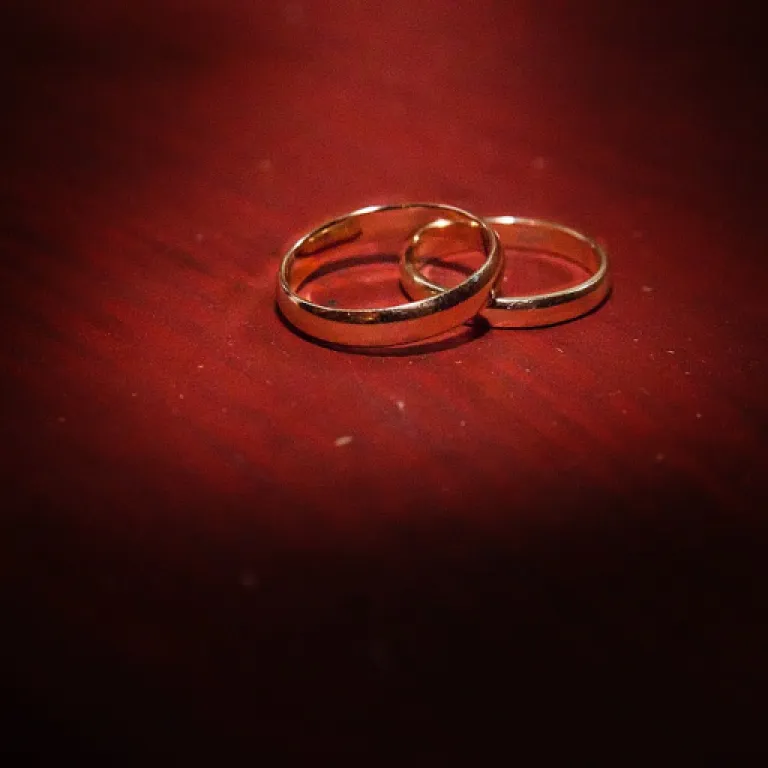
Understanding gold purity and karats
What Makes Gold Unique in Wedding Jewelry?
Gold has been cherished in jewelry for centuries, especially for wedding rings and engagement rings. Its natural luster, resistance to tarnish, and timeless appeal make it a favorite choice for couples. But not all gold rings are the same. Understanding the purity of gold and how it is measured will help you know if your ring is real gold or just gold plated.
Understanding Karats: The Key to Gold Purity
Gold purity is measured in karats, with pure gold being 24 karats. However, pure gold is soft and not ideal for everyday wear, so it is often mixed with other metals to create stronger alloys. Here’s a quick look at common gold karat values in jewelry:
- 24K gold: 99.9% pure gold, very soft, rarely used for rings
- 18K gold: 75% gold, 25% other metals, popular for fine jewelry
- 14K gold: 58.3% gold, more durable, widely used in wedding rings
- 10K gold: 41.7% gold, even more durable, but less valuable
White gold and yellow gold are both real gold, but they differ in the metals mixed with the gold. White gold contains metals like palladium or nickel, giving it a silvery look, while yellow gold keeps its classic warm tone. Gold plated rings, on the other hand, have only a thin layer of gold over base metals, which can wear off over time.
Why Gold Purity Matters for Your Wedding Ring
The purity of your gold ring affects not only its appearance but also its value, durability, and how it will age. Real gold jewelry is less likely to cause skin reactions and will hold up better over years of daily wear. If you’re considering a wide gold band wedding ring, understanding gold purity will help you choose a piece that lasts a lifetime. For more on this topic, check out this guide on why wide gold band wedding rings are a smart choice.
Knowing the basics of gold purity sets the foundation for identifying real gold and distinguishing it from fake gold or plated jewelry. Next, you’ll learn how to spot important markings and hallmarks that can help you test gold authenticity.
Checking for hallmarks and stamps
Spotting Authentic Markings on Your Ring
When you want to know if your wedding ring is real gold, one of the first things to look for is the presence of hallmarks or stamps. These tiny markings are usually found on the inner band of the ring and provide important information about the metal content and sometimes the manufacturer.- Karat Stamps: Real gold jewelry is often stamped with numbers like 10K, 14K, 18K, or 24K. These indicate the purity of the gold in your piece. For example, 18K means the ring is 75% pure gold.
- Other Markings: You might also see marks like "750" (for 18K gold), "585" (for 14K), or "999" (for pure gold). These numbers refer to the parts per thousand of gold in the metal.
- Country or Maker's Mark: Some rings include a symbol or initials representing the jeweler or country of origin. While not a guarantee of authenticity, these can add credibility to your piece.
Simple at-home tests for gold authenticity
Easy Ways to Test Gold at Home
Before you take your wedding ring to a jeweler, there are a few simple tests you can try at home to get an idea if your ring is real gold or possibly gold plated or made from other metals. These methods are not foolproof, but they can help you spot obvious signs of fake gold or base metals in your jewelry.
- Magnet Test: Gold is not magnetic. Hold a strong magnet close to your ring. If the ring is attracted to the magnet, it likely contains other metals or is gold plated over a base metal. However, some non-magnetic metals can be used in fake gold jewelry, so this test alone is not definitive.
- Ceramic Plate Test: Take an unglazed ceramic plate and gently drag your ring across the surface. Real gold will leave a gold streak, while fake gold or gold plated rings may leave a black mark. Be careful, as this can scratch your ring.
- Float Test: Drop your ring into a cup of water. Real gold is dense and will sink quickly. If your ring floats or sinks slowly, it may be made of lighter metals or be hollow inside. This test is more reliable for solid gold pieces.
- Acid Test Kits: You can purchase a gold test kit online or at jewelry stores. These kits use a small drop of acid to test gold purity. Follow the instructions carefully, as the acid can damage fake or gold plated jewelry. If the ring is real gold, the acid will not react. If it is fake gold or gold plated, you may see a green or milky reaction.
While these tests can help you spot obvious fakes, they are not as accurate as professional methods. If you are unsure about your ring's authenticity, or if your piece contains diamonds or other stones, it is best to consult a jeweler for a thorough evaluation. For those interested in unique wedding jewelry, you might want to learn more about choosing an aurora borealis ring for your wedding and how to ensure your chosen piece is authentic and high quality.
Professional methods for verifying gold
How Experts Confirm Gold Authenticity
When you want to be absolutely sure your wedding ring is real gold, professional jewelers use advanced methods that go beyond simple at-home tests. These techniques are reliable and can distinguish between real gold, gold plated, and fake metals with high accuracy.
- Acid Test: Jewelers often use a gold acid test. They apply a small drop of acid to a discreet part of your ring. Real gold will not react, but base metals or gold plated jewelry may change color or fizz. This test can determine the karat of your gold jewelry, confirming if your piece is pure gold or a lower karat.
- X-Ray Fluorescence (XRF): This non-destructive test uses a special machine to analyze the metal content of your ring. It can quickly tell if your ring is real gold, gold plated, or mixed with other metals. XRF is especially useful for engagement rings and diamond rings where you want to avoid any damage.
- Electronic Gold Testers: These devices measure the electrical conductivity of your ring. Since gold conducts electricity differently from other metals, this test helps verify if your jewelry is gold real or fake gold.
- Magnification and Markings: Professionals also inspect the ring under magnification to check for proper hallmarks, stamps, and any signs of wear that might reveal gold plated or fake jewelry underneath. They look for consistent markings that indicate the gold purity and authenticity.
While at-home tests like the magnet test or float test can give you clues, they are not as precise as these professional methods. If you have a valuable piece of jewelry, such as an engagement ring or a diamond wedding band, it is worth having it checked by a trusted jeweler. This ensures your ring is truly made of real gold and not just a gold plated piece or another metal disguised as gold white or yellow gold.
Common myths about gold rings
Misconceptions That Can Lead to Mistakes
When it comes to gold wedding rings, there are plenty of myths that can make it harder to know if your piece is real gold or not. Believing these myths can lead to confusion, wasted money, or even buying fake jewelry. Here are some of the most common misunderstandings about gold jewelry and how to avoid them:
- "Real gold will never tarnish or change color": While pure gold (24K) is resistant to tarnish, most wedding rings are made from gold alloys like 14K or 18K. These contain other metals, so minor discoloration or dullness can happen over time, especially with white gold or gold plated rings.
- "If a ring is heavy, it must be real gold": Weight alone isn’t a reliable test. Some base metals used in fake gold or plated jewelry can feel just as heavy as real gold. Always look for proper markings and consider other tests.
- "A magnet test will always work": Gold is not magnetic, but neither are many other metals used in fake jewelry. If your ring isn’t attracted to a magnet, it doesn’t guarantee it’s real gold. This test is just one step in the process.
- "All real gold rings have clear markings": While most authentic gold jewelry will have hallmarks or stamps indicating karat purity, some older or custom pieces might not. Lack of markings doesn’t always mean your ring is fake, but it does mean you should use other methods to test gold authenticity.
- "If a ring has diamonds, it must be real gold": Diamonds can be set in any metal, including gold plated or fake gold rings. The presence of a diamond or other gemstones doesn’t guarantee the metal is real gold.
- "The float test is foolproof": Dropping your ring in water to see if it sinks is not a reliable gold test. Many metals used in jewelry will sink, so this method can’t confirm if your ring is real gold or not.
- "Acid tests will damage your ring": When done correctly, acid tests are safe for gold jewelry. Professionals use this method to confirm gold purity without harming your piece.
Understanding these myths helps you make informed decisions when checking if your engagement rings or wedding bands are real gold. Combining several tests and seeking professional advice is the best way to ensure your jewelry is authentic and valuable.
Why real gold matters for your wedding ring
The Value of Authentic Gold in Your Wedding Ring
Choosing a real gold wedding ring is about more than just tradition. When you invest in genuine gold jewelry, you’re ensuring your piece will last for years, even generations. Real gold is resistant to tarnish and corrosion, unlike base metals or gold plated rings that can fade or chip over time. This means your ring will keep its shine and beauty, making it a true symbol of your commitment.
Why Authenticity Matters for Everyday Wear
Wedding rings are worn daily, so durability is key. Pure gold or gold alloys like white gold are less likely to cause skin irritation compared to fake gold or plated jewelry, which often contain metals that can react with your skin. Real gold jewelry is also less likely to bend or break, so your ring will withstand the test of time and daily activities.
Protecting Your Investment
- Real gold holds its value better than fake or gold plated rings.
- If your ring includes diamonds or other precious stones, authentic gold settings provide a secure and lasting hold.
- Should you ever need to resize or repair your ring, jewelers can work more easily with real gold than with plated or base metals.
Peace of Mind with Verified Gold
Knowing your ring is made from real gold gives you confidence. Simple at-home tests like the magnet test, float test, or ceramic scratch test can help you check if your ring is genuine, but professional gold tests and checking for proper markings are the most reliable ways to confirm authenticity. Acid tests and professional appraisals can give you certainty that your engagement or wedding ring is the real deal.
Symbolism and Sentiment
Your wedding ring is more than just a piece of jewelry. It’s a daily reminder of your vows and the special moments you share. Choosing a ring made from real gold ensures that this symbol of your love remains strong and beautiful, just like your relationship.
