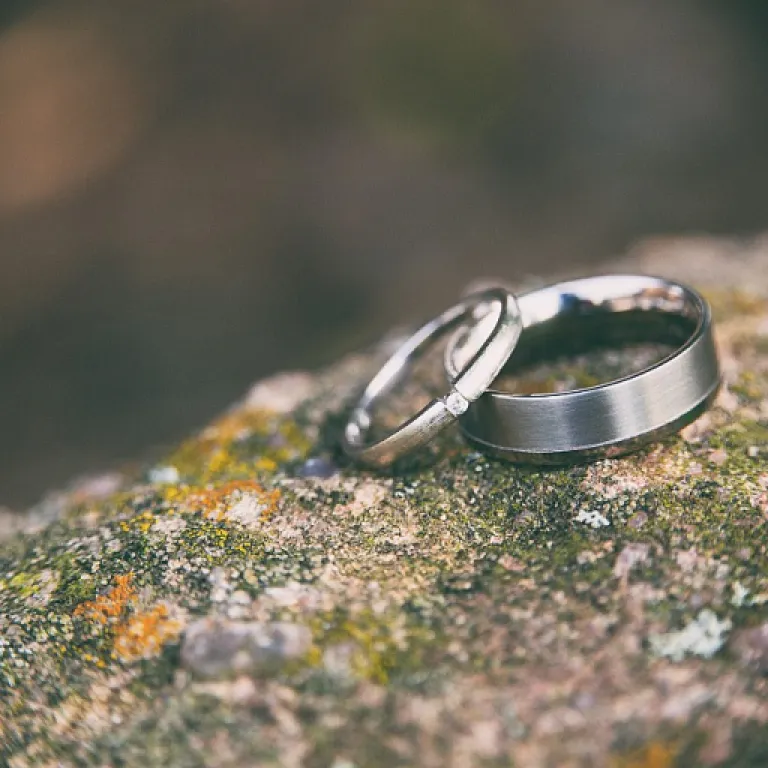
The poetic contrast of alexandrite and sapphire in a wedding ring
An alexandrite and sapphire ring offers a rare balance between mystery and clarity. The alexandrite stone shifts from green to red tones, while each sapphire brings a steady glow that feels reassuring and timeless. Together, these gemstones create a wedding ring that feels both intimate and quietly spectacular.
Many couples choose a central created alexandrite framed by smaller sapphire stones to highlight this contrast. Others prefer a three stone design that combines alexandrite sapphire accents with a central diamond for extra brilliance and symbolic meaning. In both singular and plural forms, these alexandrite and sapphire ring styles express a story of change, loyalty, and shared growth.
Metal choice shapes the personality of every ring and its matching pieces. A white gold band emphasizes the chameleon effect of alexandrite, while yellow gold or rose gold adds warmth and a vintage inspired mood. Platinum or sterling silver settings, whether for a ring, necklace, or pendant, give a cooler, architectural frame that suits modern couples who value clean lines.
When you compare price options, lab created stones can offer excellent value. A lab created alexandrite and a lab created sapphire ring often provide intense color and clarity at a more accessible price than rare natural stones. This allows you to invest more in craftsmanship, whether you choose a delicate engagement ring or a bolder three stone wedding design.
Choosing metals and settings for an alexandrite and sapphire ring
The metal you select for an alexandrite and sapphire ring will influence comfort, durability, and style. White gold remains a favorite for its luminous neutrality, which enhances both alexandrite and sapphire in singular and plural arrangements. Yellow gold and rose gold bring a softer, romantic glow that flatters warm skin tones and vintage inspired designs.
Platinum is denser and naturally hypoallergenic, making a platinum engagement ring ideal for daily wear. Sterling silver and sterling silver alloys can be elegant for a sapphire ring or matching sapphire necklace, especially when the price must stay within a defined budget. However, platinum and gold yellow alloys usually offer better long term resistance to wear for wedding rings.
Many couples explore mixed metal designs that combine white gold with yellow gold or gold rose details. This approach can highlight the color play of created alexandrite and alexandrite sapphire combinations, especially in a three stone setting. It also allows you to coordinate easily with existing silver, gold, and platinum jewellery such as a necklace or pendant.
Setting style also matters for both aesthetics and security. A pendant halo inspired ring, with a halo of white topaz or sapphire diamond accents, can make a modest center stone appear larger. For more guidance on warm toned bands, you can review this resource on choosing the perfect yellow gold wedding band, then adapt those principles to your alexandrite and sapphire ring.
Color stories: pairing alexandrite with sapphire, diamond, and other stones
The color narrative of an alexandrite and sapphire ring is central to its emotional impact. Alexandrite can appear green in daylight and red or purple in warm light, while sapphire exists in blue, pink sapphire, green sapphire, and many other hues. When combined, these stones create a dynamic palette that shifts gracefully from day to evening.
A classic choice is a blue topaz or blue sapphire ring paired with created alexandrite side stones. This combination works beautifully in both solitaire and three stone engagement ring designs, especially when framed by a subtle pendant halo of white topaz or small diamond accents. Couples who prefer softer tones may choose pink sapphire or green sapphire details around a central alexandrite sapphire blend.
Neutral accents can refine the overall effect without competing for attention. White stones such as diamond, white topaz, or even high quality cubic zirconia can outline the main alexandrite and sapphire ring design. In plural sets, matching necklace and pendant pieces with similar sapphire diamond or topaz accents create a cohesive bridal look.
Metal color further shapes this color story in meaningful ways. White gold and platinum emphasize cooler tones in blue topaz, sapphire, and silver like reflections, while yellow gold and gold yellow alloys enrich green sapphire and warm alexandrite flashes. For couples considering bolder gemstone combinations, this guide on wide gold band wedding rings can inspire how to balance width, color, and comfort.
Balancing budget, value, and ethics for wedding gemstones
Planning an alexandrite and sapphire ring often begins with a clear budget discussion. The price of natural alexandrite can be very high, which is why many couples consider lab created alternatives. A lab created alexandrite and lab created sapphire ring can deliver vivid color and excellent clarity while keeping the overall price more manageable.
Lab created stones are grown in a controlled lab environment, which allows the manufacturer to optimize color and reduce inclusions. This approach can be especially appealing for an engagement ring where you want a significant center stone without compromising on ethical sourcing. Many couples also appreciate that lab created options for alexandrite sapphire combinations reduce the environmental impact associated with some mining practices.
Metal choice also affects cost and long term value. Sterling silver and sterling silver blends are usually more affordable than white gold, yellow gold, or platinum, yet they may require more maintenance over time. Investing in gold rose, gold yellow, or platinum for your alexandrite and sapphire ring can offer better durability, especially if you plan to wear matching necklace and pendant pieces daily.
Accent stones provide another way to balance beauty and budget. You might choose a central created alexandrite with a halo of cubic zirconia instead of diamond, or alternate sapphire diamond accents with white topaz to reduce the total price. For inspiration on combining characterful stones with precious metals, this article on choosing a distinctive gemstone and diamond ring can help you think creatively about your own design.
Designing cohesive bridal sets: rings, necklaces, and pendants
A thoughtful bridal set extends the beauty of an alexandrite and sapphire ring across your entire wedding look. Many couples coordinate an engagement ring, wedding band, and sapphire necklace so that each piece echoes the same design language. This can include repeating a three stone motif, a pendant halo pattern, or a specific mix of metals such as white gold and rose gold.
For example, you might pair a central created alexandrite engagement ring with a slim sapphire ring wedding band that features alternating blue topaz and sapphire diamond accents. A matching pendant or necklace with a small alexandrite sapphire cluster can complete the ensemble without feeling overwhelming. Using both singular and plural forms of these pieces, you can build a versatile collection that transitions easily from ceremony to everyday life.
Metal consistency also supports a harmonious appearance. If your main ring is crafted in yellow gold or gold yellow alloys, consider a coordinating pendant and sterling silver free designs only if the color match is visually pleasing. Many couples prefer to keep all primary pieces in white gold, rose gold, or platinum to ensure that alexandrite, sapphire, and diamond accents appear unified.
Think about how each stone will sit against fabric and skin in different lighting. Alexandrite can shift dramatically under candlelight, while green sapphire, pink sapphire, and blue topaz may appear softer indoors. By testing your alexandrite and sapphire ring, necklace, and pendant together, you ensure that the entire bridal set feels intentional and beautifully balanced.
Long term care, resizing, and future upgrades for your ring
Caring properly for an alexandrite and sapphire ring protects both its emotional and financial value. Regular cleaning with mild soap and water, followed by gentle drying, keeps white gold, yellow gold, rose gold, and platinum settings bright. Avoid harsh chemicals that can dull sterling silver, sterling silver plated details, or the surface of softer stones such as blue topaz.
Professional jewellers can inspect prongs and settings on your engagement ring and wedding band once a year. This is especially important for three stone designs, pendant halo inspired rings, and pieces with many small sapphire diamond or cubic zirconia accents. Over time, tiny movements can loosen a created alexandrite, alexandrite sapphire cluster, or side sapphire, so early detection prevents loss.
Resizing and future upgrades are natural parts of a long marriage. You might start with a lab created alexandrite and sapphire ring in sterling or silver alloys, then later reset the same stones into platinum or white gold for greater durability. Some couples add a new sapphire ring, sapphire necklace, or pendant to mark anniversaries, incorporating green sapphire, pink sapphire, or white topaz to symbolize new chapters.
When considering upgrades, discuss options directly with a trusted manufacturer or jeweller. They can advise whether your existing stone, whether natural or lab created, is suitable for resetting into yellow gold, gold yellow, or gold rose designs. With thoughtful care and occasional refinements, your alexandrite and sapphire ring and its companion pieces can remain luminous symbols of your shared story for decades.
