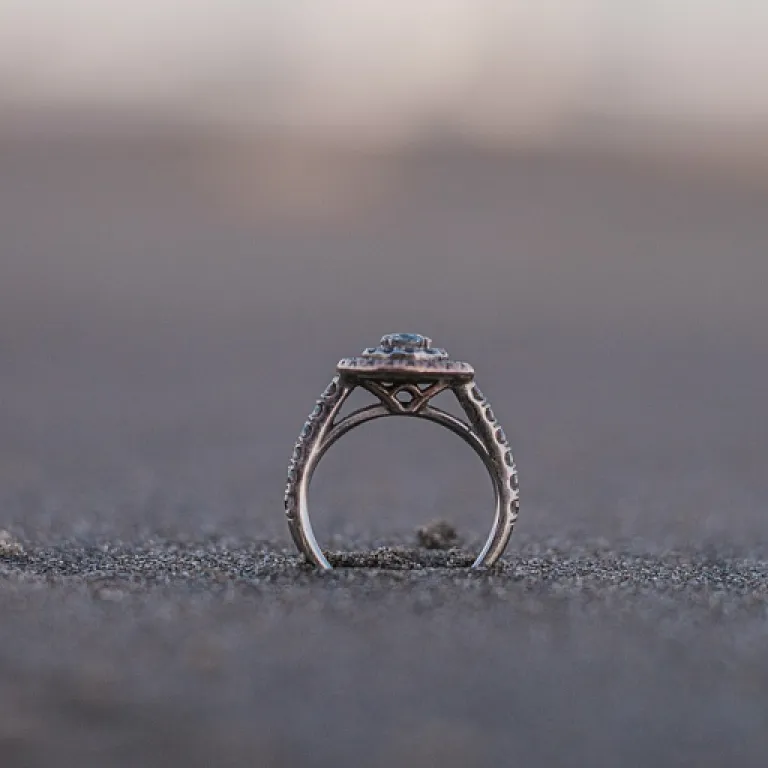
Hexagon wedding ring aesthetics for modern couples
A hexagon wedding ring immediately stands out with its architectural geometry and refined symmetry. The hexagon shape creates clean lines that frame a diamond or sapphire in a way that feels modern yet timeless, especially when paired with warm yellow gold or luminous white gold. Many future spouses appreciate how hexagon rings balance bold design with delicate proportions, making them ideal for both engagement and wedding symbolism.
When you choose a hexagon engagement ring, you play with light, angles, and reflections in a very intentional way. A hexagonal diamond or elongated hexagon gemstone offers more surface area, so each cut facet can catch light differently and enhance the perceived carat size. This makes hexagon engagement designs particularly appealing for lab grown diamonds, moissanite, or alexandrite, where clarity and color shifts are beautifully showcased by the hexagon cut and hexagonal setting.
Designers often create a coordinated ring set that pairs a central hexagon wedding ring with contour bands. These complementary rings can feature a halo of small diamonds, a bezel set moss agate, or a subtle halo engagement frame around a hexagon green stone. Whether you prefer a single refined ring or layered ring sets, the hexagon structure allows engagement rings and wedding rings to sit flush, which improves comfort and long term wear.
Color and metal choices further refine the personality of hexagon rings. White gold emphasizes crisp edges and works beautifully with white diamonds, salt pepper diamonds, or carat hexagonal layouts that highlight clarity. Yellow gold or black gold can create striking contrast with moss agate, hexagon green stones, or hexagon salt pepper diamonds, giving each ring a distinctive character that still feels cohesive as a pair.
Choosing stones and metals for a hexagon wedding ring
The center stone defines much of the visual impact of any hexagon wedding ring. A classic diamond engagement style might use a hexagonal diamond or elongated hexagon stone with a refined halo, which enhances sparkle while protecting the edges. Couples who value ethical sourcing often select lab grown diamonds or lab grown moissanite, which pair beautifully with hexagon engagement designs and modern metal choices.
Colored stones bring additional meaning to hexagon rings. Moss agate, with its organic moss inclusions, looks especially striking in a hexagon cut or hexagonal cabochon, creating a miniature landscape within the ring. Deep green sapphire, color shifting alexandrite, or hexagon green stones framed in a bezel set or halo engagement design can express personal stories, such as shared places, seasons, or memories.
Metal selection shapes both aesthetics and durability for your engagement ring and wedding ring set. White gold offers a bright, neutral backdrop that flatters white diamonds, salt pepper diamonds, and carat hexagonal layouts, while yellow gold brings warmth that complements moss agate and green sapphire. For a bolder statement, black gold can frame a hexagon salt pepper diamond or hexagon lab grown stone, creating dramatic contrast that still feels elegant for daily wear.
Coordinating your ring set with other jewelry also matters for long term satisfaction. If you love wide gold bands, you can pair a slim hexagon engagement ring with a broader wedding band, or explore guidance on why to choose a wide gold band wedding ring for balance and comfort. Matching metals across engagement rings and wedding rings helps create a harmonious look, while mixing textures, such as polished and brushed gold, adds subtle depth without overwhelming the hexagon centerpiece.
Setting styles and profiles for hexagon engagement rings
The setting style of a hexagon wedding ring influences both security and visual presence. A bezel setting wraps metal around the edges of a hexagon or elongated hexagon stone, making a bezel set hexagon engagement ring ideal for active lifestyles. This approach works beautifully with moss agate, hexagon green stones, or lab grown diamonds, as the bezel protects the edges while emphasizing the hexagonal outline.
Prong settings remain popular for diamond engagement designs featuring hexagonal diamond stones. Four or six prongs can secure a hexagon cut while allowing more light to enter, which increases brilliance and highlights each carat in the stone. When combined with a delicate halo or halo engagement frame, prong set hexagon rings create a refined sparkle that feels luxurious without being overly ornate.
Ring profile and height also affect daily comfort for engagement rings and wedding rings. A lower profile hexagon wedding ring sits closer to the finger, reducing snagging on clothing and making stacking with a ring set easier. Higher settings can showcase a carat hexagonal stone more dramatically, especially in white gold or yellow gold, but they require more mindful wear, particularly with softer stones like moss agate.
Side stones and bands add further customization options for hexagon rings. You might pair a central hexagon lab grown diamond with tapered baguette diamonds, salt pepper accents, or small sapphires along the band. For couples drawn to colored symbolism, coordinating a hexagon engagement ring with a complementary gemstone band, such as a meaningful garnet ring in gold described in this guide on choosing a meaningful garnet ring in gold, can create a cohesive yet personal ring set.
Color stories with moss agate, salt pepper, and green stones
Many modern couples use a hexagon wedding ring to tell a color story that reflects their relationship. Moss agate is especially beloved in hexagon rings because its moss like inclusions appear almost like tiny forests framed by the hexagonal shape. When set in yellow gold or black gold, a moss agate hexagon engagement ring feels earthy, artistic, and deeply individual, while white gold emphasizes the stone’s subtle translucence.
Salt pepper diamonds offer another distinctive option for hexagon engagement designs. A hexagon salt pepper diamond combines the geometric clarity of the hexagon with the organic speckling of the stone, creating a unique balance between structure and spontaneity. These diamonds look striking in bezel set or halo engagement styles, particularly when paired with black gold or contrasting white gold bands in a coordinated ring set.
Green stones bring freshness and symbolism to hexagon rings. A hexagon green sapphire or hexagon cut green tourmaline can represent growth, renewal, and shared journeys, especially when framed by a halo of white diamonds or lab grown diamonds. Moss agate, green sapphire, and alexandrite all behave differently in various lights, so viewing these stones in natural daylight helps you understand how your engagement ring or wedding ring will appear in everyday life.
Combining multiple textures and colors can create a cohesive yet layered aesthetic. For example, you might choose a central hexagon lab grown diamond in white gold, then add a contour band with small moss agate accents in yellow gold for subtle contrast. Another approach pairs a hexagonal diamond engagement ring with a slender band of salt pepper diamonds, ensuring that both rings share the hexagon theme while expressing different facets of your story.
Balancing carat, budget, and ethics in hexagon rings
Planning a hexagon wedding ring involves thoughtful decisions about carat weight, budget, and ethical sourcing. Because a hexagon or elongated hexagon stone often appears larger than a round stone of the same carat, you can achieve impressive presence without exceeding your budget. This visual advantage applies to diamonds, moissanite, lab grown stones, and colored gems like moss agate or alexandrite, making hexagon engagement rings a smart choice for value conscious couples.
Ethical considerations increasingly guide engagement ring decisions. Lab grown diamonds and lab grown moissanite offer traceable origins and often lower environmental impact, while still providing excellent brilliance in hexagon cut or carat hexagonal layouts. When combined with recycled white gold, yellow gold, or black gold, these stones help create engagement rings and wedding rings that align with modern values of responsibility and transparency.
Budget allocation within a ring set also deserves careful thought. Some couples prioritize a higher carat hexagonal center stone for the engagement ring, then choose simpler wedding rings to maintain balance. Others invest in a coordinated ring set where both the engagement ring and wedding ring feature hexagon details, such as a hexagon green accent stone or a small hexagonal diamond, ensuring visual harmony without unnecessary excess.
Long term maintenance and resizing should be part of your planning. Bezel set hexagon rings and halo engagement designs can be slightly more complex to resize, especially when the band is fully set with diamonds or moss agate accents. Working with a trusted jeweler who understands hexagon engagement structures ensures that your rings remain secure, comfortable, and beautiful throughout years of daily wear.
Designing matching ring sets for two partners
Creating a coordinated hexagon wedding ring set for both partners allows you to express unity while respecting individual style. One partner might choose a hexagon engagement ring with a hexagonal diamond and halo, while the other prefers a simpler band with subtle hexagon cut details or engraved hexagon motifs. Matching elements such as metal color, stone type, or shared moss agate accents can tie the rings together without making them identical.
For couples who value symmetry, a pair of hexagon rings in white gold or yellow gold can echo each other through repeated shapes. One ring set might feature a central hexagon lab grown diamond, while the companion ring uses small hexagon green stones or salt pepper diamonds spaced around the band. This approach keeps both engagement rings and wedding rings visually connected through the hexagon theme and consistent carat proportions.
Texture and finish also influence how a ring feels on the hand. A polished white gold hexagon wedding ring with a bezel set moss agate will reflect light differently than a brushed black gold band with engraved hexagon outlines. By experimenting with finishes, you can create contrast between partners’ rings while maintaining harmony through shared hexagon engagement details and complementary carat hexagonal accents.
Finally, consider how your rings will age together over time. Metals like yellow gold develop a gentle patina that can enhance the character of hexagon rings, especially those with organic stones like moss agate or salt pepper diamonds. Regular professional cleaning and inspections help preserve the integrity of bezel set stones, halo engagement frames, and hexagon cut edges, ensuring that your ring set remains a lasting symbol of your shared commitment.
Key statistics about wedding rings and modern preferences
- A growing share of couples choose non traditional shapes such as hexagon stones for their engagement ring, reflecting a desire for individuality and modern design.
- Lab grown diamonds and moissanite now represent a significant portion of diamond engagement purchases, driven by ethical and budget considerations.
- Colored gemstones like moss agate, sapphire, and alexandrite are increasingly popular in engagement rings, especially among couples seeking symbolic color stories.
- Stackable ring sets, including coordinated engagement rings and wedding rings, have become a leading trend for future married people who value versatility.
- Bezel set and low profile settings are frequently chosen for hexagon wedding rings, as they offer improved comfort and durability for everyday wear.
Common questions about hexagon wedding rings
Are hexagon wedding rings durable enough for everyday wear ?
Hexagon wedding rings can be very durable when designed thoughtfully. Choosing a bezel set or low profile hexagon engagement ring helps protect the stone’s corners and reduces snagging. Working with a skilled jeweler and selecting appropriate metals, such as white gold or yellow gold, further enhances long term resilience.
Which stones work best in a hexagon engagement ring ?
Many stones perform beautifully in hexagon engagement designs, including diamonds, lab grown diamonds, moissanite, sapphire, moss agate, and alexandrite. Harder stones like diamonds and sapphires offer excellent durability, while moss agate and salt pepper diamonds provide unique visual character. The choice depends on your lifestyle, aesthetic preferences, and symbolic priorities.
How do I choose the right carat size for a hexagon ring ?
Because hexagon and elongated hexagon shapes often appear larger than round stones of the same carat, you can usually select a slightly lower carat without sacrificing presence. Consider your hand size, daily activities, and budget when deciding on carat hexagonal proportions. Trying on sample rings in different carat sizes is the most reliable way to gauge what feels balanced and comfortable.
Can hexagon wedding rings be easily resized in the future ?
Many hexagon wedding rings can be resized, but the complexity depends on the design. Plain bands or rings with stones only on the top are usually simpler to adjust than full eternity bands or intricate halo engagement settings. Discuss potential future resizing with your jeweler before finalizing your ring set, so the design anticipates possible adjustments.
Do hexagon rings work well in matching sets for both partners ?
Hexagon rings are excellent for coordinated sets because the geometric motif can be interpreted in many subtle ways. One partner might wear a bold hexagon engagement ring with a central stone, while the other chooses a band with engraved hexagon patterns or small hexagonal diamond accents. Shared elements like metal color, stone family, or repeating hexagon shapes create unity while allowing each ring to reflect personal style.
Trusted references for further reading : GIA (Gemological Institute of America), American Gem Society, World Jewellery Confederation (CIBJO).
