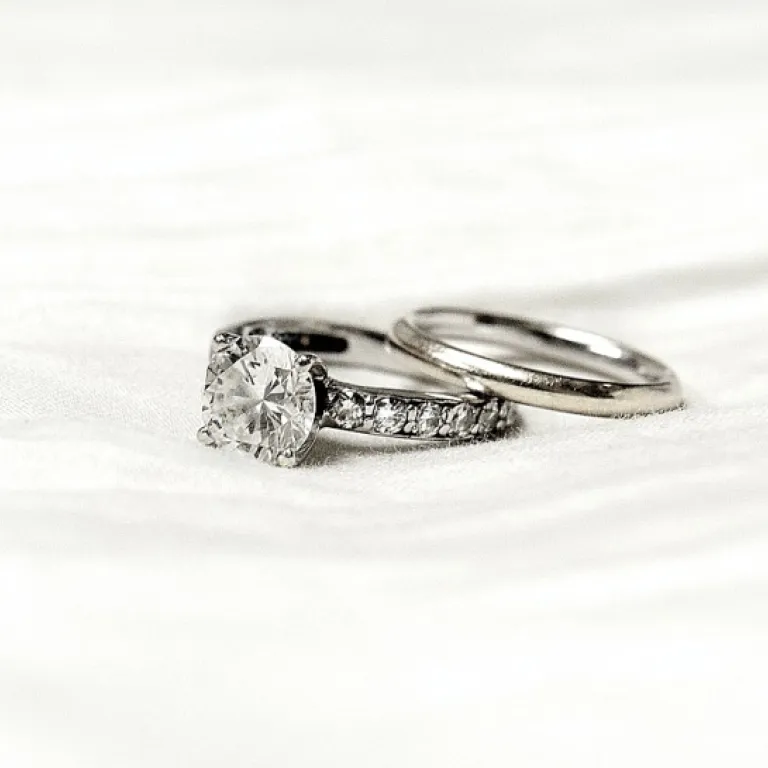
Black metals versus black onyx gemstones in wedding rings
When couples compare black metals with black onyx gemstones, they are really weighing two different expressions of the same black color story. A solid black metal ring offers a continuous surface where the dark coating or alloy runs through the entire band, while a black onyx stone introduces depth, reflection, and subtle undertones that shift with the light. For people choosing lifelong wedding jewelry, this black metal versus black onyx decision shapes how the ring will age, how it feels on the hand, and how it fits your shared aesthetic.
In jewelry design, a pure black metal can look almost like a strip of wrought iron or sleek ceramic, whereas an onyx gemstone brings a polished, glassy surface that contrasts beautifully with white or yellow gold. Some black metals are created with paint-like coatings or plating, while others rely on dark alloys that are closer to deep architectural paint colors in their richness. When you place a black onyx stone beside a black metal band, the difference between a flat, uniform black surface and the layered sheen of a gemstone becomes immediately visible.
Many couples ask whether a black metal ring or an onyx center stone will be more durable for daily wear. A solid metal band without stones avoids the risk of chipping, but a carefully set black onyx or black agate stone can still perform well if you avoid hard knocks and abrasive activities. If you want the best balance between longevity and visual drama, consider a design where a black metal shank frames a central black onyx gemstone, so the stone carries the visual focus while the metal absorbs most everyday impacts.
Understanding black onyx, black agate, and other dark gemstones
Black onyx is a variety of chalcedony, a microcrystalline quartz, and it sits alongside black agate and black tourmaline in the family of dark gemstones used in wedding jewelry. While all three stones share a similar black color, their internal structures, hardness levels, and undertones differ, which affects how they look in a finished ring. When you compare a plain black band with black onyx in real life, you notice that onyx gemstones often appear smoother and more uniform, while agate stones may show faint bands and tourmaline can display subtle linear textures.
For wedding rings, black onyx jewelry is popular because the stone can be cut into clean cabochons or geometric shapes that sit low on the finger. Black agate gemstones, by contrast, sometimes reveal delicate layers of colors, especially when cut thin, which can soften the overall effect and pair beautifully with white gold or rose gold. Black tourmaline stones bring a slightly more rugged look, with striations that catch the light differently, making them ideal for couples who want a gemstone that feels closer to raw, natural stone.
Price is another factor when choosing between these dark gemstones for your ring. Black onyx and black agate are usually more affordable than a diamond, whether natural or lab grown, which allows you to invest more in the metal or in custom jewelry design. If you are planning future upgrades, such as adding an anniversary stone as explained in this guide on a meaningful 30 year anniversary ring gemstone, starting with a black onyx center stone can be a smart way to balance beauty and budget.
How black color and undertones change the mood of a ring
Not all blacks are equal, whether you are comparing gemstones, metals, or even interior paint color charts. In the same way that a Benjamin Moore paint color such as Black Beauty feels softer than a sharper tone like Tricorn Black from Sherwin-Williams, a black onyx stone can appear warmer or cooler depending on its undertones. When you evaluate a solid black metal surface against black onyx, you are really comparing the flat, continuous black of a metal band with the nuanced black color of a gemstone that interacts with light.
Some black onyx stones lean slightly toward cool blue undertones, while others echo the warmth of a black magic style paint color with a faint brown or charcoal cast. Black agate can show layered colors that resemble deep onyx or soft black paint shades, with subtle bands that soften the overall impression. Even black tourmaline may present streaks that recall wrought iron or black paint brushed over textured metal, which can be very appealing in rustic or nature inspired wedding rings.
Couples who enjoy interior design often reference Benjamin Moore or Sherwin-Williams paint colors when describing their ideal ring palette. If you love the depth of a rich onyx black wall or the crisp edge of Tricorn Black trim, you may gravitate toward a ring that uses a similarly deep black metal paired with a polished black onyx gemstone. For a more organic feel, consider how the hardness and texture of dark stones are explained in resources about moss agate hardness and durability, then apply the same thinking to black agate or black tourmaline choices.
Metals, settings, and the role of gold in black themed rings
The metal you choose will frame the black or black onyx elements and dramatically influence the final look of your wedding ring. Yellow gold creates a high contrast effect, making black gemstones and dark color coatings appear richer and more defined, while white gold or platinum offers a cooler, monochrome palette. Rose gold sits between these extremes, softening the transition between the metal and the dark stones, which can be ideal if you want a romantic yet modern aesthetic.
When comparing a black metal band with a ring that features black onyx, think about how the setting style will protect the stone and highlight its surface. A bezel setting wraps the gemstone in a continuous band of gold or another metal, echoing the clean lines of wrought iron and shielding the edges of black onyx or black agate from chipping. Prong settings expose more of the stone to light, which can be stunning for black tourmaline or faceted onyx gemstones, but they require more care during daily wear.
Some couples prefer to keep the ring entirely metal, using paint-like black coatings or dark alloys to achieve a moody effect without any stones. Others choose a hybrid approach, pairing a black metal band with a central diamond, either natural or lab grown, to create a striking contrast between white brilliance and deep black undertones. If you are considering alternative metals such as titanium, tungsten, or cobalt for a black ring, this detailed guide on non traditional wedding ring metals can help you weigh durability, comfort, and long term maintenance.
Price, value, and how to judge quality in black and onyx rings
Budget plays a central role when couples compare black metal bands with black onyx or other dark gemstone rings. A plain black metal ring without stones is usually the best option for strict budgets, because you avoid the cost of gemstone cutting, setting, and long term maintenance. Once you add black onyx, black agate, or black tourmaline stones, the price reflects not only the gemstone itself but also the craftsmanship required to secure it safely.
When evaluating price versus value, look beyond the initial purchase and consider how the ring will age. Black coatings on metal can wear over time, especially on high contact surfaces, which may require refinishing to maintain a uniform black color. By contrast, a solid black onyx gemstone retains its color, but it can show scratches if it rubs against harder materials, so you need to balance gemstone hardness with your daily lifestyle.
Quality assessment should include the precision of the setting, the symmetry of the ring, and the way the stones sit in relation to the metal. A well cut black onyx or black agate stone should show an even surface without pits or cloudy patches, and the surrounding gold or other metal should hold it securely without gaps. If you choose a design that combines a central diamond, perhaps lab grown for ethical reasons, with side stones of black onyx or black tourmaline, make sure the colors and undertones of all gemstones harmonize rather than clash.
Practical care, durability, and lifestyle fit for future married people
Daily life places very different demands on a solid black metal ring compared with a ring that features black onyx or other dark gemstones. Metal only designs, especially those without fragile surface coatings, tend to shrug off minor bumps and scratches, making them ideal for hands on professions or active hobbies. When you introduce stones such as black onyx, black agate, or black tourmaline, you gain visual drama but also accept a little more responsibility for careful wear.
For couples weighing a black metal band against a ring with black onyx, it helps to think about specific scenarios rather than abstract durability ratings. If you regularly work with tools, gym equipment, or rough surfaces, a low profile black metal band may be the best everyday choice, while a more elaborate onyx jewelry ring can be reserved for evenings and special occasions. On the other hand, if your work is mostly office based and you are gentle with your hands, a black onyx center stone set in gold can easily become a daily signature piece.
Cleaning routines are straightforward but slightly different for metals and stones. A black metal ring without gemstones usually needs only mild soap, warm water, and a soft cloth, while black onyx or black agate stones benefit from a gentle brush and avoidance of harsh chemicals that could dull the surface. Avoid ultrasonic cleaners for most dark gemstones, and if your ring combines a diamond, whether natural or lab grown, with softer stones, always follow the care instructions suitable for the most delicate material in the design.
Style symbolism, color psychology, and choosing what feels like you
Black has long been associated with strength, mystery, and commitment, which makes it a powerful choice for wedding rings. When you compare a continuous black metal band with a ring that features black onyx, you are also choosing between the symbolism of an unbroken strip of metal and the meaning carried by a single central stone. A solid black color ring can represent constancy and resilience, while a black onyx gemstone may symbolize protection, grounding, and shared depth.
Color psychology suggests that black can project elegance and authority, especially when paired with white or yellow gold and a bright diamond accent. Some couples like to echo their favorite Benjamin Moore or Sherwin-Williams paint colors in their ring choices, selecting metals and stones that feel like wearable versions of Black Beauty, Tricorn Black, or a moody black magic shade. If you already love the way a deep onyx or soft black paint color transforms a room, you may find similar satisfaction in a ring that uses comparable undertones and finishes.
Personal style should always guide the final decision, because you will see this ring every day. Minimalists often prefer a simple black metal band, perhaps with a subtle brushed texture that recalls wrought iron or matte black paint, while romantics may gravitate toward onyx jewelry with curved lines and soft edges. Whether you choose a pure black band, a black onyx center stone, or a mixed design with diamonds and other gemstones, focus on a ring that feels like a natural extension of your shared story rather than a trend driven choice.
Key figures and statistics about black and gemstone wedding rings
- Industry surveys of engaged couples suggest that roughly 10–20% of engagement and wedding rings now feature non traditional center stones such as onyx, agate, or tourmaline, reflecting a growing interest in personalized designs beyond classic diamonds. Exact percentages vary by region and year, so always check the latest reports or trade publications if you need precise data.
- Recent market analyses indicate that lab grown diamonds can account for around one third of diamond engagement ring sales in some major markets, which makes mixed designs combining lab grown diamonds with black onyx or black agate increasingly accessible in terms of price. These figures are estimates drawn from jewelry industry research and may shift as consumer preferences evolve.
- Gemological Institute of America (GIA) hardness scales show that onyx and agate, both varieties of chalcedony, typically measure around 6.5 to 7 on the Mohs scale, while diamond ranks at 10, meaning black onyx rings require more mindful wear than plain metal or diamond only designs. You can verify Mohs hardness values through standard gemology references such as GIA educational materials.
- Reports from major jewelry retailers and trade publications suggest that black metal and black color coated rings have seen steady, often double digit percentage growth in sales over the last decade, especially among younger couples seeking modern, gender neutral wedding ring styles. Exact growth rates depend on the retailer, region, and time period studied.
- Consumer research from large jewelry groups indicates that a substantial share of couples—often cited at around 40% or more—now prioritize ethical sourcing and transparency, which supports the rise of lab grown diamonds paired with responsibly sourced black gemstones in contemporary wedding jewelry. These numbers are directional rather than universal and should be read as broad trends.
FAQ about black metals and black onyx wedding rings
Is a black metal wedding ring more durable than a black onyx ring ?
A solid black metal wedding ring is generally more durable than a ring with a black onyx center stone, because metal can better withstand everyday knocks and abrasion. However, if the black effect comes from a surface coating or paint-like finish, that layer can wear over time and may need refinishing. A well set black onyx gemstone can still last many years if you avoid hard impacts and remove the ring for heavy manual work.
Will the black color on my ring fade or scratch easily ?
The longevity of the black color depends on how it is created. Black metal achieved through alloying or deep treatments tends to hold its color better than simple paint or plating, which can scratch and reveal the underlying metal. Black onyx, black agate, and black tourmaline gemstones keep their color but can show surface scratches if they rub against harder materials like ceramic tiles or other stones.
How should I clean a wedding ring with black onyx or other dark gemstones ?
To clean a ring with black onyx, black agate, or black tourmaline, use lukewarm water, a small amount of mild soap, and a very soft brush. Rinse thoroughly and dry with a lint free cloth, avoiding harsh chemicals, steam cleaners, or ultrasonic machines that can damage or loosen the stones. If your ring also includes a diamond, whether natural or lab grown, always follow the gentlest cleaning method suitable for the softest gemstone in the design.
Can I resize a black metal or black onyx wedding ring later ?
Resizing options depend on the specific metal and design of your ring. Traditional precious metals such as gold and platinum are usually easier to resize than alternative black metals like tungsten or some coated alloys, which may crack or lose their black color when altered. Rings with large black onyx or other gemstones set around the band can be more complex to resize, so discuss future size changes with your jeweler before finalizing the design.
Is black onyx suitable as a main center stone for lifelong daily wear ?
Black onyx can work as a main center stone for many people, provided you are willing to treat it with reasonable care. Its hardness is lower than that of a diamond, so it is more prone to scratching and chipping if struck against hard surfaces or worn during intense physical activities. If you want a lifelong daily wear ring with minimal maintenance, a combination of a durable metal band and smaller black onyx accents may be a more practical choice than a very large exposed stone.
