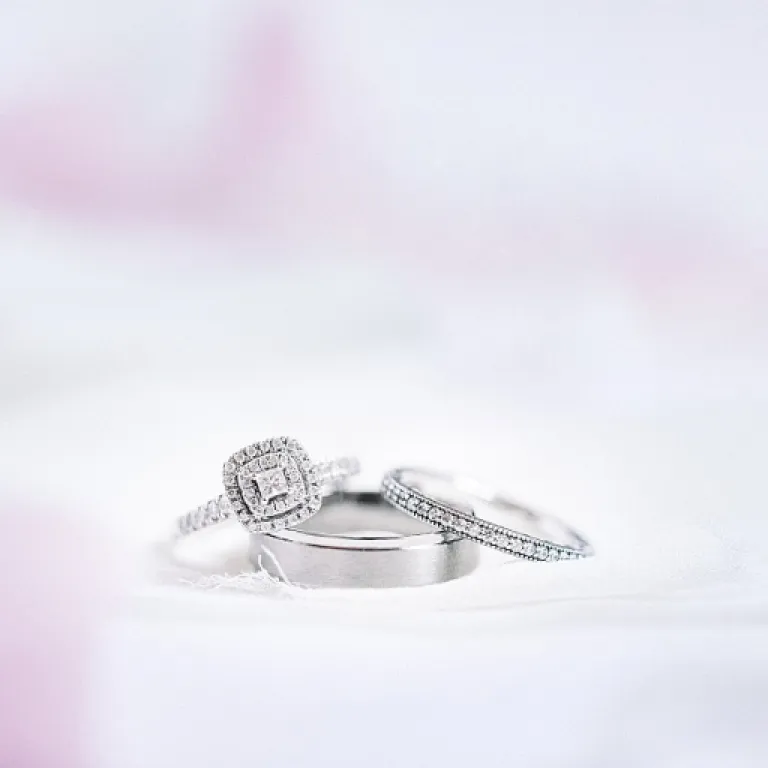
Understanding what a 15k diamond ring really offers
A carefully chosen 15k diamond ring – here meaning a ring budget of around $15,000 (USD) – can balance beauty, value, and long‑term durability. When you invest this level of budget in a diamond engagement ring, you gain access to higher carat weights, stronger cut quality, and refined settings in platinum or gold. This price bracket allows engaged couples to align emotion, aesthetics, and financial comfort.
At around this price, a central diamond of roughly 1.5 to 2.0 carats is common, especially when you prioritise an excellent cut over maximum size. As a rough guide based on early‑2020s US retail listings from large online jewellers and price trackers such as Rapaport and Blue Nile, a well cut 1.5 ct round brilliant in a near‑colorless grade (around G–H, VS2–SI1) can sit in the $9,000–$12,000 range, while an equivalent oval or cushion cut may be 5–15% lower per carat. A well proportioned round brilliant diamond in this range often shows exceptional fire and scintillation, while an emerald cut or oval stone can stretch the visual size of the ring. You should always compare several diamonds side by side to see how color, clarity, and cut interact in real light.
Many couples choose platinum for the main band because it is dense, naturally white, and hypoallergenic. A platinum ring design in this budget can include a refined platinum shank with pavé diamonds, a halo engagement frame, or a three‑stone layout with tapered baguettes. One London‑based jeweller summarises it simply: “If you plan to wear the ring every day for decades, platinum gives you the most secure home for the diamond.” When you evaluate different diamond shapes for your engagement ring, remember that round, oval, and cushion cut stones usually cost more per carat than princess cut or emerald cut options of similar quality.
In this price segment, the overall cost of the diamond ring is driven more by cut and carat than by small differences in clarity. A 1.7 carat round brilliant diamond with an excellent cut and near‑colorless grade often looks brighter than a larger but poorly cut diamond. For couples who value subtle elegance, a classic solitaire band in platinum with a single brilliant diamond can feel timeless yet modern.
People planning a proposal often compare several engagement rings before committing, and that is wise. One couple, for example, tried a 1.3 ct pear‑shaped design next to a 1.0 ct heart‑shaped halo engagement ring and realised how different their personalities felt, even at similar budgets. Try on multiple rings with different diamond shapes, from round brilliant to cushion cut and princess cut, to understand which proportions suit your hand and your style.
Choosing the right diamond shapes and cuts for your style
The shape and cut of the central diamond define the character of any 15k diamond ring. A round brilliant diamond remains the most requested option for an engagement ring because it maximises sparkle and works with almost every band style. However, alternative diamond shapes such as oval, emerald cut, cushion cut, pear‑shaped, and princess cut stones can express a more individual aesthetic.
Round brilliant diamonds usually command a higher price per carat because demand is strong and cutting waste is greater. If you prefer a larger face‑up view without increasing budget, an oval or pear‑shaped cut diamond can appear longer on the finger and visually larger than a round of the same carat. Emerald cut and cushion cut stones emphasise clarity and broad flashes of light rather than intense sparkle, which suits couples who appreciate understated luxury.
When you evaluate cut quality, focus on symmetry, proportions, and light return rather than only on the certificate labels. For example, a GIA report for a 1.6 ct round brilliant with Excellent cut, Very Good polish and symmetry, G color, and SI1 clarity will usually indicate strong light performance even if the clarity grade is not at the top of the scale. An Excellent cut grade for a round brilliant diamond typically means better fire and brilliance, while a Very Good cut can still be attractive if the price difference is significant. For fancy diamond shapes such as heart‑shaped or emerald cut stones, ask your jeweller to show you several examples so you can compare how each cut handles light.
Many engaged couples fall in love with three‑stone engagement rings because they symbolise past, present, and future. A three‑stone design can pair a central round brilliant or oval diamond with two smaller emerald cut or pear‑shaped side stones for contrast. If you are considering a lab‑grown three‑stone diamond engagement style, you can read an elegant guide to choosing a three‑stone lab‑grown diamond engagement ring to refine your preferences.
Halo engagement designs remain popular because a circle of small diamonds around the centre stone increases visual size. A cushion cut centre with a round brilliant halo can look soft and romantic, while a princess cut stone with a geometric halo feels more contemporary. Whatever you choose, ensure the band and setting thickness match the carat weight so the ring looks balanced from every angle.
Metals, bands, and how they influence daily wear
The metal you choose for a 15k diamond ring affects both aesthetics and long‑term performance. Platinum is a leading choice for an engagement ring because it is dense, naturally white, and holds diamonds securely in fine prongs. A platinum ring design also resists tarnish, which makes it ideal for couples who plan to wear their rings every day.
Within this budget, you can select a classic platinum solitaire, a pavé band with small diamonds, or a more intricate three‑stone layout. Platinum rings tend to feel slightly heavier on the finger, which many people associate with quality and security for their diamond. If you prefer a warmer color, high‑carat yellow or rose gold can create a beautiful contrast with a near‑colorless brilliant diamond while sometimes lowering the overall price.
The width and profile of the band influence comfort and style as much as the central stone. A slim band of 1.6 to 2.0 millimetres highlights the diamond and suits delicate fingers, while a 2.5 to 3.0 millimetre platinum band offers more presence and durability. When you compare rings, pay attention to how the band sits next to a future wedding band, especially if you plan to wear two rings flush together.
Some couples choose a diamond band for the wedding ring to echo the sparkle of the engagement ring. In that case, ensure the height of the engagement setting allows a straight wedding band to sit comfortably without a gap. If you are considering coloured stones such as peridot or spinel alongside diamonds, you can consult an article on which August birthstone suits your wedding ring best to understand how gemstones behave in daily wear.
For a 15k diamond ring, craftsmanship of the band and setting should be impeccable. Examine the prongs that hold the diamond, the finishing of the metal, and the alignment of any side stones or halo details. A well‑made band will protect the diamond engagement piece for decades, allowing your ring to remain a symbol of love rather than a source of maintenance worries.
Balancing carat, color, and clarity within a 15k budget
With a 15k diamond ring, you have enough flexibility to prioritise what matters most to you. Many engaged couples focus on carat weight first because the size of the diamond is immediately visible on the hand. However, cut quality and color grade often influence beauty more strongly than a small difference in carat.
For a round brilliant diamond, an Excellent cut grade usually delivers the best balance of brightness, fire, and contrast. You might choose a 1.6 carat stone with Excellent cut and near‑colorless color rather than a 1.9 carat diamond with a weaker cut and noticeable color tint. In practice, the smaller but better cut diamond often appears more lively and refined in everyday lighting.
Color preferences vary, but many couples find that near‑colorless grades look beautifully white once set in platinum or white gold. If you select a yellow or rose gold band, you can often accept a slightly lower color grade without seeing warmth in the diamond, which helps manage the overall price. Clarity can usually be in the slightly included range as long as inclusions are not visible to the naked eye and do not threaten the stone’s durability.
Fancy diamond shapes such as oval, pear‑shaped, and emerald cut may show color and inclusions differently from round stones. An emerald cut diamond, with its large open facets, often benefits from a higher clarity grade, while a cushion cut or princess cut can hide small inclusions more easily. When you shop, always view the diamond in natural light and from several angles to ensure you are comfortable with its real appearance.
Within this budget, you can also consider a three‑stone engagement ring with slightly smaller carat weights for each diamond. For example, three diamonds of around 0.7 carat each can create a wide, impressive spread across the finger while keeping individual stone prices moderate. This approach allows you to enjoy multiple brilliant diamonds and a meaningful design without exceeding your planned investment.
Design choices that personalise your 15k diamond engagement ring
Design details transform a 15k diamond ring from a beautiful object into a deeply personal symbol. The choice between a classic solitaire, a halo style, or a three‑stone layout reflects how you and your partner express love. Small decisions about prong style, band profile, and side stones can make your engagement ring feel uniquely yours.
A classic solitaire with a round brilliant diamond on a slim platinum shank remains timeless and elegant. If you prefer more presence, a halo of small diamonds around a cushion cut or oval centre stone increases visual size and adds vintage charm. Three‑stone engagement rings, often with a central brilliant diamond flanked by two smaller round or emerald cut stones, carry strong symbolism and suit couples who enjoy narrative design.
Side stones and pavé details can be tailored to your lifestyle and taste. For a refined look, you might choose a plain platinum band with a single pear‑shaped or heart‑shaped diamond as the focal point. If you enjoy sparkle, a band with small cut diamonds along the shoulders can frame the central engagement stone without overwhelming it.
Couples sometimes mix diamond shapes within one ring for a distinctive effect. A round brilliant centre with baguette or princess cut side stones feels architectural, while a cushion cut centre with round brilliant accents appears softer and more romantic. When you view design options at the shop, pay attention to how each ring looks from the side as well as from the top, because gallery details often influence daily enjoyment.
Engraving the inside of the band adds another layer of meaning to your diamond ring. You might include initials, a significant date, or a short phrase that captures your shared story of love. Since a 15k diamond ring is a long‑term commitment, these personal touches help ensure the piece remains emotionally resonant as your life together evolves.
How and where to shop safely for a 15k diamond ring
Choosing where to shop for a 15k diamond ring is as important as choosing the design itself. At this investment level, you should expect detailed diamond grading reports, transparent pricing, and patient guidance from the jeweller. Reputable shops will explain how cut, carat, color, and clarity interact rather than pushing the largest stone at the highest price.
When you compare options, ask to view each diamond under different lighting conditions, including daylight and soft indoor light. A trustworthy professional will encourage you to examine the ring with a loupe, discuss any inclusions, and explain how the Excellent or Very Good cut grade was determined. They should also clarify return policies, resizing options, and long‑term maintenance for the band and setting.
Online shopping has become a strong option for engaged couples who want to compare many diamonds efficiently. If you buy remotely, choose retailers that provide high‑resolution videos, 360‑degree views, and clear images of each diamond from multiple angles. For detailed guidance on evaluating a stone you cannot handle in person, you can consult advice on online diamond shopping and how to evaluate a stone remotely.
Insurance and certification are essential parts of a 15k diamond ring purchase. Ensure your engagement ring is accompanied by a grading report from a recognised laboratory such as GIA, AGS, or IGI, and keep copies of all documents in a safe place. Once you have the ring, arrange jewellery insurance that covers loss, theft, and damage, based on an accurate appraisal of the platinum or gold setting and the diamonds.
Finally, give yourselves time to make the decision together. Try on different engagement rings, compare round brilliant and fancy shapes, and notice which ring makes you feel most like yourselves. A carefully chosen 15k diamond ring should reflect your shared values, your aesthetic preferences, and the enduring love you are formalising through your engagement.
Key figures and statistics about diamond engagement rings
- Industry surveys from major jewellery retailers and trade bodies such as the Jewelers of America show that round brilliant diamonds account for more than half of all diamond engagement ring sales, while oval, cushion cut, and princess cut shapes together represent a growing share of the remaining market.
- Data from large online jewellers and reports by the World Jewellery Confederation (CIBJO) indicate that platinum and white gold together make up the majority of engagement ring metal choices, with platinum preferred by buyers who prioritise long‑term durability and secure settings for higher carat stones.
- Market analyses from organisations such as De Beers and Bain & Company report that three‑stone and halo engagement designs have increased in popularity over the last decade, reflecting a shift from very simple solitaires toward more personalised and symbolic ring styles.
- Consumer research cited by the Gemological Institute of America (GIA) finds that couples are willing to adjust carat weight slightly in order to secure an Excellent cut grade, because well cut diamonds appear brighter and more impressive than larger but poorly cut stones of similar price.
- Insurance industry data from specialist jewellery insurers show that properly appraised and insured engagement rings are more likely to be repaired or replaced accurately after loss or damage, which is especially relevant for higher value pieces such as a 15k diamond ring.
FAQ about choosing a 15k diamond ring
What carat size can I expect with a 15k diamond ring budget ?
With a 15k diamond ring budget of about $15,000, many couples select a central diamond between about 1.5 and 2.0 carats, depending on the chosen cut, color, and clarity. Round brilliant diamonds usually cost more per carat, while shapes like oval, cushion cut, or princess cut can offer slightly larger visual size for the same price. The exact carat weight will depend on how you balance cut quality and other grading factors.
Is platinum worth the extra cost for an engagement ring band ?
Platinum is often worth the additional cost for a frequently worn engagement ring because it is dense, naturally white, and highly durable. A platinum ring design holds prongs securely and resists wear over time, which protects the diamond. For people with sensitive skin, platinum is also appealing because it is typically hypoallergenic.
Should I prioritise excellent cut or higher carat weight ?
For most couples, prioritising an Excellent cut over maximum carat weight leads to a more beautiful diamond ring. A well cut diamond reflects light efficiently and appears brighter and more lively than a larger but poorly cut stone. If you must choose, slightly reducing carat to secure a top cut grade usually offers better long‑term satisfaction.
Are three stone engagement rings more expensive than solitaires ?
Three‑stone engagement rings are not always more expensive than solitaires, because the total carat weight is divided among several diamonds. You might choose three smaller brilliant diamonds instead of one large stone, which can sometimes optimise price while creating a wide, impressive look. The final cost depends on the quality and size of each diamond and the complexity of the platinum or gold setting.
How can I be sure I am paying a fair price for my ring ?
To ensure you pay a fair price for a 15k diamond ring, compare offers from multiple reputable shops and request detailed grading reports for each diamond. Check that the certificate comes from a recognised laboratory and that the jeweller explains how cut, carat, color, and clarity influence the price. If needed, seek an independent appraisal to confirm that the engagement ring value aligns with the amount you are investing.
References
- Gemological Institute of America (GIA)
- American Gem Society (AGS)
- International Gemological Institute (IGI)