Summer ring care tips to protect your engagement sparkle
Summer is when your engagement ring quietly takes the hardest hits. Long pool days, sunscreen, and constant wearing jewelry all combine into a perfect storm that no one warns you about before you say yes. Smart ring care summer tips help keep that first selfie sparkle without turning you into the person who panics every time someone suggests a swim.
Start by ranking the chemical threats you actually face during summer jewelry season. Chlorine in pools and hot tubs is the worst offender for gold rings, because it attacks the alloy metals like nickel, zinc, and silver, creating microscopic bubbles that weaken prongs and thin shanks over time (GIA, Jewelry Care and Cleaning – practical guidance on safe at-home cleaning and when to see a professional). Saltwater, insect repellent, and thick sunscreen are next on the list, because they grind grit into settings, coat gems with film, and make even fine jewelry look flat and tired.
The simplest care tips are also the most effective when you use them consistently. Make a rule that your engagement ring and wedding band come off before you get into chlorinated water, before you apply sunscreen, and before you spray any insect repellent on your skin. Those three tiny habits, repeated every summer day, will help keep your favorite pieces safer than any fancy cleaning kit recommended by a jewelry store or online ad.
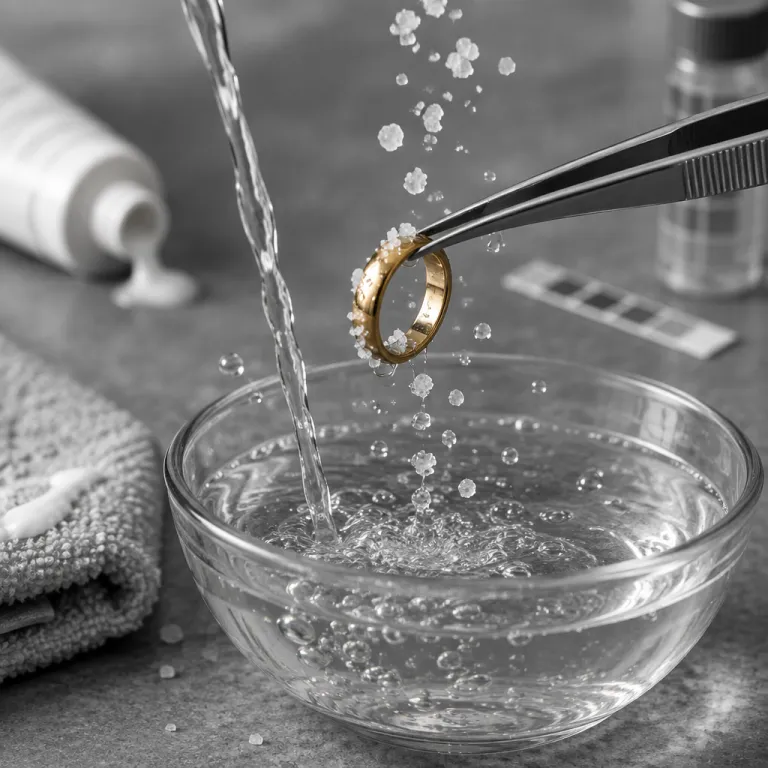
When you do forget and jump into the pool with your rings on, do not panic. Rinse them under running lukewarm water for at least one full min, then gently clean with a drop of mild dish soap and a very soft toothbrush. This quick cleaning removes most residue before it can harden into stubborn buildup that even professional cleaning struggles to shift (American Gem Society, Jewelry Cleaning Guidelines – step-by-step advice on safe cleaning methods and inspection frequency).
TL;DR summer ring care checklist
- Remove rings before pools, hot tubs, ocean swims, gym sessions, and messy cooking.
- Soak sturdy rings for 10–15 min weekly in warm water with a drop of mild dish soap.
- Use a baby soft toothbrush from the underside of the setting; rinse over a closed drain.
- Pat dry with a lint free cloth and store in a lined jewelry box or ring dish.
- Schedule a professional inspection every 6–12 months, or sooner if you notice movement.
Think of your jewelry care routine as part of your couple rituals, not a chore. One evening a week, sit together at the sink, clean jewelry with warm water and soap, and check each prong with a fingertip. Those five quiet minutes will tell you more about the health of your engagement rings than any sales pitch at a jewelry store ever could.
Understanding metals and settings before peak jewelry summer
Not all metals behave the same way under summer stress, and that matters when you plan how to care for your ring. Yellow and white gold are beautiful but more vulnerable, because chlorine and saltwater slowly attack the alloy mix that gives gold its strength (Jewelers of America, Fine Jewelry Care – clear recommendations on daily wear, storage, and seasonal protection). Platinum is tougher against chemicals but still picks up micro scratches from sand and rough contact, while titanium bands shrug off most abuse but can still lose polish and shine.
If your engagement ring is 14 karat gold, you have a good balance between richness of color and durability. Higher karat gold feels luxurious but is softer, so prolonged exposure to sand, salt, and sunscreen will mark it faster, especially on delicate pavé bands. Sterling silver is even softer again, which means summer jewelry made from silver needs extra care tips around pools, beaches, and sports to avoid deep scratches and tarnish.
The setting style also changes your risk profile during summer travel and daily life. Classic four prong solitaires leave more of the diamond exposed, which looks airy but gives sand and sunscreen more places to wedge under the stone. Halo settings and intricate vintage inspired pieces trap even more debris, so they demand more frequent cleaning and a stricter habit to avoid wearing jewelry in pools or hot tubs.
For couples still choosing bands, factor these realities into your wedding season planning. A low set bezel or half bezel engagement ring in platinum is usually safer for active summers than a high cathedral setting in soft gold with many tiny side stones. If you are still comparing options, this is the moment to read a detailed guide on band selection, sizing, and last minute care from an independent jeweler or gemological institute before you commit.
Whatever metal you choose, the rule stays the same for long term jewelry care. Avoid harsh chemicals, avoid direct sunlight for long storage, and avoid prolonged exposure to heat and sweat without regular cleaning. Those essential tips sound basic, but they are exactly what separate heirloom level fine jewelry from rings that look tired after only a few summers.
The prong problem and how to clean safely in summer
The real summer villain for engagement rings is not just chlorine or sand, but what they do to your prongs over time. Tiny grains of grit work their way under the stone, while chemical residue slowly dries out and weakens the metal holding your gems in place. You rarely see the damage until a diamond or sapphire suddenly goes missing after a swim or a quick towel dry.
Build a weekly cleaning ritual that respects both the stones and the metal. Fill a small bowl with warm water and a drop of mild, fragrance free dish soap, then let your rings soak for ten to fifteen min while you unwind from the day. Use a baby soft toothbrush to clean jewelry gently from the underside, paying attention to the gallery and prongs where summer lotion and sunscreen love to hide.
Rinse under running water over a closed drain, then pat dry with a lint free cloth instead of paper towels. This simple method works for most diamonds, sapphires, and rubies, but you should avoid soaking pearls, opals, and very delicate antique pieces, which prefer only a brief wipe. When in doubt, ask for professional cleaning at a trusted jewelry store rather than risking harsh chemicals or ultrasonic machines you bought online.
Quick do / do not checklist for fragile stones and prongs
- Do wipe pearls and opals with a soft, slightly damp cloth only; no soaking or steam (GIA, Caring for Your Pearls and Opals – specific stability notes and safe handling instructions for delicate gems).
- Do inspect prongs monthly by gently running a fingertip or toothpick around the stone to feel for snags or movement.
- Do not use ultrasonic cleaners on fracture filled, heavily included, or antique stones unless a jeweler confirms it is safe.
- Do not pull sweaters or towels off quickly if they catch on a prong; stop and check the setting right away.
Storage between wears matters just as much as how you clean. Use a lined jewelry box with separate compartments so your favorite pieces do not scratch each other, and never toss fine jewelry loose into a beach bag or bathroom drawer. If you want a deeper maintenance roadmap, look for a long term care guide from organizations such as the Gemological Institute of America, the American Gem Society, or Jewelers of America.
Some couples like to schedule a professional cleaning and inspection at the start and end of every jewelry summer season. That visit lets a trained eye check for thinning prongs, worn tips, and any movement in your engagement ring center stone before the busy months. Think of it as an annual checkup that helps keep your rings ready for every beach proposal reenactment and rooftop cocktail photo you have planned.
Daily summer habits, travel strategies, and the case for a travel ring
Day to day habits are where ring care summer tips either work or fail. The goal is not to baby your engagement ring, but to build small, repeatable moves that keep jewelry safe while you actually enjoy the season. That means deciding in advance when you will wear your main set and when a simpler travel ring makes more sense.
At home, create one consistent place to store your rings whenever you take them off. A small dish inside your jewelry box or a fixed tray by the bathroom sink helps keep jewelry from wandering into pockets, beach bags, or hotel nightstands. Train yourselves to remove rings before gym sessions, before swimming, and before any messy cooking that involves dough, marinades, or strong spices.
For travel, pack with the same intention you bring to planning flights and hotels. Use a compact jewelry travel case with individual slots for rings and soft pouches for delicate pearls or colored gems, and keep that case in your personal bag rather than checked luggage. If you are heading somewhere with lots of swimming or hiking, consider leaving the main engagement ring in a safe at home and wearing a simple gold or sterling silver band as your dedicated travel ring.
Insurance is the unglamorous side of jewelry care, but it matters once you start taking your favorite pieces on planes and trains. Photograph your rings in good light, keep copies of appraisals, and check whether your home insurance or a separate jewelry policy covers loss, theft, and damage during travel. Those documents will help keep any claim straightforward if something goes wrong far from your usual jewelry store.
On the road, remember that hotel bathrooms are where many rings vanish forever. Do not leave pieces on the sink edge, do not wrap them in tissues, and do not set them on balcony railings while you apply sunscreen. If you need a refresher on how to prevent long term band damage from all these small risks, bookmark a practical guide to preventing wedding ring degradation from a neutral jewelry education source before your next trip.
Sun, heat, and long term protection for fine jewelry
Summer is not just about pools and beaches, it is also about relentless sun and heat. Direct sunlight and high temperatures accelerate some types of damage, especially for colored gems and organic materials like pearls. Over many seasons, that prolonged exposure can shift colors, dry out settings, and make once crisp engraving look soft and tired.
Most diamonds handle light well, but some gems are more sensitive. Amethyst, morganite, and some treated stones can fade if they sit in direct sunlight on a windowsill or car dashboard for hours, especially when combined with heat (GIA, Gemstone Stability – research-based charts on how light, heat, and chemicals affect different gems). Pearls and opals hate dry, hot air, so leaving them in a car or on a sunny vanity is one of the fastest ways to shorten their life as wearable pieces.
Heat also interacts with sweat, sunscreen, and skin oils to create stubborn films on metal and stones. That is why weekly cleaning with mild soap and water is one of the most essential tips for summer jewelry maintenance, even if your rings do not look obviously dirty. Those few min of care help keep prongs free of residue, help keep stones bright, and help keep gold and sterling silver from looking dull before their time.
When you are not wearing jewelry, think about airflow and temperature as much as security. A cool, dry drawer with a lined jewelry box is kinder to fine jewelry than a steamy bathroom shelf or a sunny tray on a dresser, no matter how pretty it looks for photos. For couples building shared habits, these small storage choices become part of how you protect the symbols of your engagement and marriage together.
Over the years, the rings on your hands will carry more stories than any certificate in a folder. Summer is when most of those memories are made, but it is also when most preventable damage happens quietly in the background. The pieces that age best are the ones treated like future heirlooms in the everyday moments, not the certificate, but how it catches light on a Tuesday morning.
FAQ about summer ring care for engaged and married couples
Should I wear my engagement ring in the pool or ocean during summer
It is safer to remove your engagement ring before swimming in pools, hot tubs, or the ocean. Chlorine weakens gold alloys and can damage some gems, while saltwater and sand cause micro scratches and work grit into prongs (GIA, Jewelry Security and Care – safety tips for wearing and storing jewelry at home and while traveling). Keep the ring in a secure jewelry box or travel case instead of wrapping it in a towel or leaving it on a lounge chair.
How often should I clean my rings in hot weather
During summer, a gentle at home cleaning once a week is usually enough for most engagement rings and wedding bands. Use warm water, a drop of mild dish soap, and a very soft toothbrush, then rinse and dry with a lint free cloth. Schedule professional cleaning and inspection once or twice a year to catch loose stones or worn prongs early, following guidance from organizations such as the American Gem Society.
Is sunscreen really bad for my jewelry
Sunscreen does not usually destroy metals or diamonds, but it creates a sticky film that dulls brilliance and traps dirt under settings. Over time, that buildup can make prongs harder to inspect and may hide early signs of wear. Apply sunscreen first, wash your hands, then put your rings back on to reduce residue.
What is a travel ring and do we need one
A travel ring is a simpler, usually less expensive band you wear instead of your main engagement ring and wedding set on certain trips. Many couples choose a plain gold or sterling silver band, or even a well made alternative stone, for beach vacations and adventure travel. You do not have to own one, but it is a practical option if you are worried about loss, theft, or damage far from your usual jeweler.
When should we see a jeweler after summer
If you wore your rings heavily through summer, plan a professional cleaning and inspection at a trusted jewelry store once the season slows down. Ask the jeweler to check prongs, stone security, and any thinning on the underside of the band. Go sooner if you feel the stone move, see a bent prong, or notice sudden changes in color or shine.
Sources
Gemological Institute of America (GIA) – Jewelry care, gemstone stability, and cleaning recommendations, including how light, heat, and chemicals affect different materials.
American Gem Society (AGS) – Consumer guidance on professional jewelry inspection and maintenance, with suggested cleaning methods and inspection intervals.
Jewelers of America – Best practices for fine jewelry wear, storage, and seasonal protection, plus practical tips on keeping heirloom pieces in good condition.