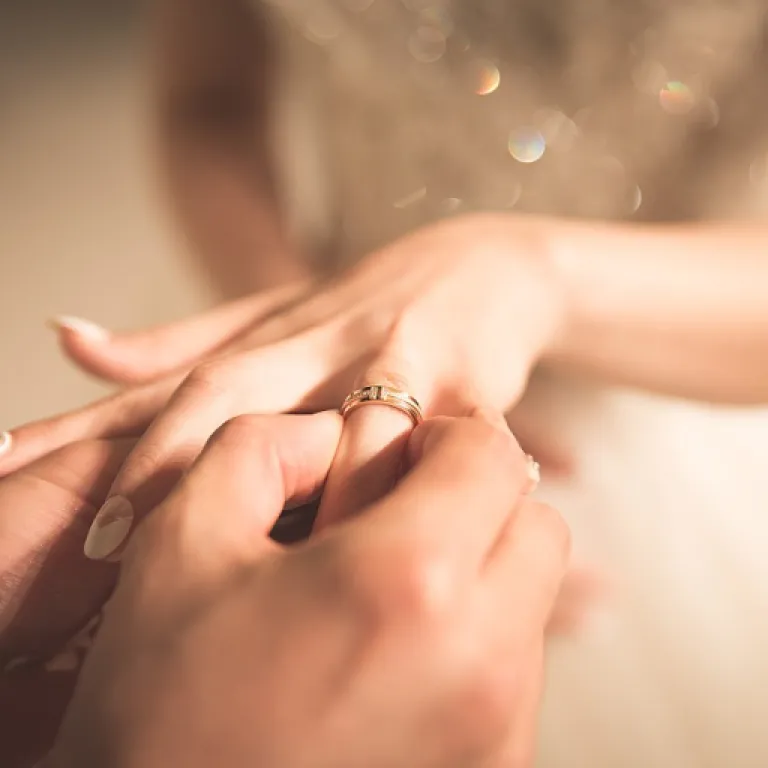
What makes a dutch marquise ring unique for an engagement ring
A dutch marquise ring blends the graceful marquise shape with refined European detailing and old world craftsmanship. This style of engagement ring often highlights an elongated cut diamond that visually lengthens the finger and creates a dramatic yet classic look. Many couples appreciate how the marquise diamond maximizes perceived carat weight while remaining elegant, balanced and slightly vintage in character.
When you study the marquise cut closely, you notice how the pointed ends frame the hand beautifully and draw the eye along the finger. A well proportioned marquise diamond or grown diamond in this style needs precise symmetry, because any misalignment in the cut will be visible along the length of the stone. The dutch influence often appears in the setting details, where a hidden halo, milgrain edges or delicate bands echo antique European rings without feeling old fashioned or overly ornate.
For an engagement ring that feels both classic marquise and quietly modern, the dutch marquise design is compelling and versatile. You can choose a single cut diamond as a solitaire, or surround the marquise stone with a halo of smaller diamonds for extra light and presence. Couples who love nature inspired jewelry often gravitate toward a marquise diamond in a leaf like layout, where the ring resembles a petal resting gently along the finger and pairs beautifully with organic wedding bands.
Understanding marquise cut proportions, carat weight and finger shape
Choosing the right marquise cut for your dutch marquise ring starts with proportions and how the stone sits on your hand. The length to width ratio of the marquise diamond or lab grown diamond will decide whether the stone looks softly rounded or dramatically elongated on your finger. Most engagement rings with a marquise engagement center stone look harmonious when the ratio sits roughly between 1.75 and 2.25, but your finger shape and personal taste matter more than any formula.
If you have slender fingers, a more elongated marquise cut diamond can create a refined, almost vintage effect with a strong north south line. Wider fingers often benefit from a slightly fuller marquise diamond, where the pointed ends are less extreme and the center appears broader and more balanced. For a deeper guide on how to choose the right length to width ratio for a marquise engagement ring, you can read this detailed resource on marquise engagement rings and their ideal proportions.
Carat weight also plays a crucial role in how your dutch marquise ring appears in real life. Because the marquise shape stretches the diamond along the finger, a stone measuring around 9 × 4.5 mm can face up similarly to a 1.00 carat round diamond that measures about 6.5 mm in diameter. When you compare diamond rings and wedding bands in a shop, always look at the stone on your hand rather than relying only on carat numbers, since the setting, halo design and band width will change how large the diamond engagement ring appears.

Clarity, color and the brilliance of marquise diamonds
In a dutch marquise ring, clarity and color interact differently than in round diamonds because of the elongated outline. The large table and tapered ends of a marquise cut diamond make inclusions near the center more visible, especially in higher carat weight stones. However, you rarely need the highest clarity grades to enjoy a bright, clean looking diamond ring or marquise ring for everyday wear, particularly when inclusions sit near the tips or under prongs.
Many couples now compare natural diamonds with lab grown diamonds when planning their engagement rings and wedding bands. A lab grown diamond offers the same crystal structure and brilliance as a mined diamond, and a well cut lab grown marquise diamond can look stunning in a hidden halo or classic marquise solitaire. For a practical explanation of which clarity levels actually matter to the naked eye, this analysis of what really counts when you look at a diamond is particularly helpful for people choosing an engagement ring.
Color also deserves careful attention in a dutch marquise engagement ring, because the pointed ends can show warmth more quickly than the center. Many diamond rings with marquise stones look beautifully white in the near colorless range, especially when the setting metal is carefully chosen. If you prefer a nature inspired aesthetic with yellow or rose gold bands, you can often choose slightly warmer diamonds or grown diamonds without sacrificing overall elegance or the crisp outline of the marquise shape.
Settings, halos and hidden details in dutch marquise designs
The setting of your dutch marquise ring will define both its style and its durability over decades of wear. A secure setting for a marquise diamond must protect the pointed ends, because these tips are the most vulnerable part of the cut diamond. Many jewelers recommend either V shaped prongs or a partial bezel at each tip, which helps shield the stone while keeping the elongated silhouette visible and refined.
Halo designs are especially popular for marquise engagement rings and diamond engagement styles inspired by European ateliers. A delicate halo around the marquise stone can increase visual size, enhance sparkle and create a soft transition between the center diamond and the band. Some couples prefer a hidden halo, where a ring of small diamonds sits just below the main stone, adding light when viewed from the side without changing the classic marquise outline from above.
When you choose between solitaire settings, halo designs and nature inspired motifs, think about how your engagement ring will sit next to future wedding bands. A very low setting may limit which bands fit flush, while a slightly raised marquise design can allow straight bands or curved bands to nestle neatly. If you plan to shop online and have your jeweler ship the finished rings to you, ask for side profile photos or videos so you can judge how the marquise ring, halo and band will interact on your hand.
Matching wedding bands and creating a cohesive dutch marquise set
Building a harmonious set around your dutch marquise ring means thinking beyond the engagement ring alone and imagining the full bridal stack. The shape of the marquise diamond and the height of its setting will influence which wedding bands sit comfortably and look visually balanced. Some couples prefer a straight diamond band that creates a clean line, while others enjoy curved bands that echo the pointed ends of the marquise cut and frame the center stone.
If your engagement ring features a halo or hidden halo, a very ornate wedding band may compete with the center stone. In that case, a slim band with small diamonds or a polished metal band can frame the marquise engagement ring without overwhelming it. When you compare diamond rings and bands in a shop, try stacking several options to see how the carat weight, band thickness and stone size interact with your marquise ring from every angle and in different lighting.
Couples who love nature inspired jewelry often choose wedding bands with leaf motifs that mirror the elongated marquise shape. A marquise themed design might pair a classic marquise engagement ring with a band of alternating marquise diamonds and round diamonds, creating a continuous flow of pointed ends around the finger. Whether you select natural diamonds or lab grown diamonds for your bands, aim for a similar color range so the entire set feels cohesive, refined and thoughtfully curated.
Ethical choices, lab grown options and where to shop for dutch marquise rings
Many couples now consider ethical sourcing when choosing a dutch marquise ring and matching wedding bands. Lab grown diamonds offer a transparent supply chain and can provide larger carat weight for the same budget compared with many mined diamonds. A well cut lab grown marquise diamond or grown diamond can deliver exceptional brilliance, especially when paired with a thoughtful halo or hidden halo setting that protects the tips.
When you shop for engagement rings and wedding bands, ask for detailed grading reports that specify the cut, color, clarity and carat weight of each diamond. Reputable jewelers will explain how the marquise cut was executed, how the pointed ends are protected and how the setting is engineered for daily wear. If you buy online and have the jeweler ship your diamond ring, look for clear return policies, high resolution images and videos that show the marquise ring in natural light and from multiple angles.
Some couples explore alternative center stones such as rare crystals or colored gems, then frame them with diamond accents in a dutch marquise inspired layout. For example, this guide to phenakite crystal wedding rings and their unique light shows how unusual stones can still harmonize with classic diamond rings. Whether you choose a traditional marquise engagement ring or a more experimental nature inspired piece, focus on craftsmanship, balanced proportions and a setting that respects the delicate beauty of the marquise cut.
Key statistics about marquise diamonds and engagement rings
- According to De Beers consumer research published in 2021 (De Beers Group Diamond Insight Report 2021), round diamonds still represent more than 50 % of engagement ring center stones, while marquise diamonds account for a small but steadily growing niche segment, reflecting renewed interest in elongated cuts.
- Data summarized by the Gemological Institute of America (GIA, internal cut studies and education materials, accessed 2023) indicates that marquise cut diamonds can appear up to about 10–15 % larger face up than round diamonds of the same carat weight, which helps couples maximize visual impact without increasing budget dramatically.
- Industry surveys from the International Gem Society (IGS engagement ring trend reports, 2020–2022) suggest that lab grown diamonds have reached more than 30 % market share in some engagement ring categories, with elongated shapes such as marquise and oval among the most requested cuts.
- Retail analytics from major online jewelers reported between 2019 and 2023 reveal that engagement rings featuring hidden halo settings have seen double digit growth in recent years, as couples seek subtle detail that enhances sparkle without changing the classic outline of the center stone.
- Consumer preference studies and retailer sales data compiled in the early 2020s show that many buyers choose near colorless grades between G and J for marquise engagement rings, balancing perceived whiteness with value, especially when the stone is set in yellow or rose gold bands.
FAQ about dutch marquise rings and marquise diamonds
Is a dutch marquise ring suitable for everyday wear
A dutch marquise ring can be suitable for daily wear when the setting protects the pointed ends of the marquise diamond with V shaped prongs or a partial bezel. Choose a sturdy metal such as 14 carat or 18 carat gold or platinum, and remove the ring for heavy manual work. Regular professional checks of the prongs and cleaning will help maintain both security and brilliance.
How does a marquise diamond compare to an oval or round diamond
A marquise diamond appears more elongated than an oval or round diamond, which can make the finger look slimmer and the stone look larger for the same carat weight. Round diamonds usually offer the most symmetrical light return, while marquise cuts provide a distinctive silhouette and vintage inspired character. The best choice depends on whether you value classic sparkle, a unique shape or a balance of both in your engagement ring.
Are lab grown marquise diamonds a good option for engagement rings
Lab grown marquise diamonds are a strong option for engagement rings because they offer the same physical and optical properties as mined diamonds at a more accessible price point. This allows couples to choose higher carat weight or better cut quality within the same budget. Always request a grading report from a respected laboratory to verify the specifications of any lab grown diamond.
What wedding bands pair best with a marquise engagement ring
Wedding bands that pair well with a marquise engagement ring include slim straight bands, gentle curves that follow the pointed ends and nature inspired designs with leaf or marquise shaped accents. The key is to match metal color and keep the total width comfortable for your finger. Try stacking several options to see how the band interacts with the halo, hidden halo or solitaire setting of your dutch marquise ring.
How do I avoid the bow tie effect in a marquise diamond
The bow tie effect is a dark area across the center of some elongated diamonds, including marquise cuts, caused by light leakage. To minimize it, focus on excellent or very good cut grades, balanced proportions and reliable images or videos that show the stone moving in natural light. A simple way to evaluate this is to tilt the diamond slightly and check that the center stays bright rather than forming a strong dark band.
