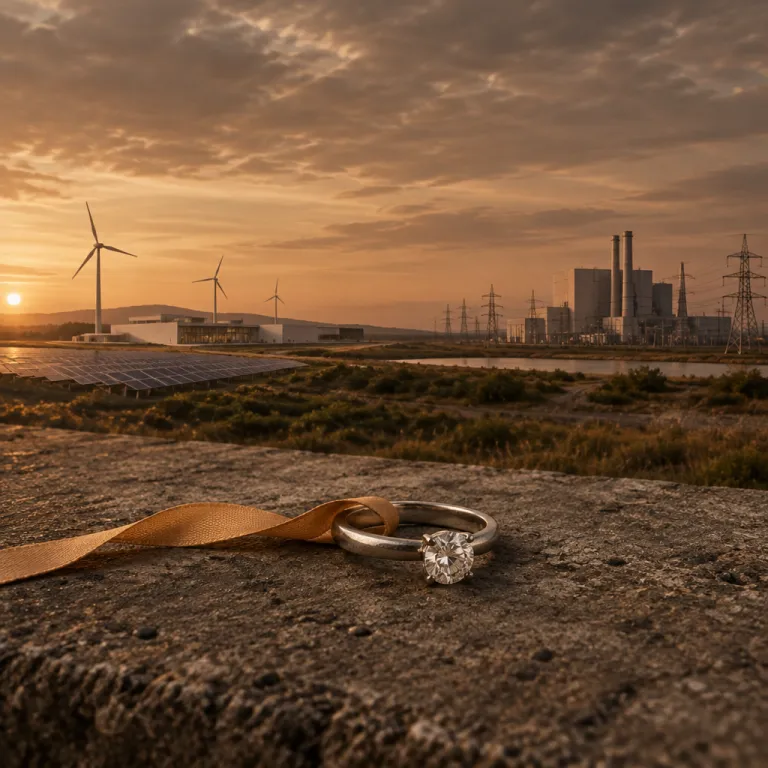
Why the lab grown diamond environmental impact is not one simple story
When couples ask whether lab diamonds are more ethical than natural diamonds, they are really asking about the full lab grown diamond environmental impact. The honest answer is that a grown diamond can be dramatically cleaner or surprisingly dirty depending on the specific lab, the local energy grid, and how transparent that production process actually is. If you want an engagement ring that aligns with your values, you need to look past the words lab created and eco friendly and into the numbers behind each stone.
Start with the basic comparison between mined diamonds and lab grown diamonds, because both carry environmental trade offs. Traditional diamond mining, especially open pit diamond mining, disturbs large areas of land, affects water systems, and can leave a long term environmental impact even when companies follow the Kimberley Process and other standards. A lab grown diamond avoids blasting rock and moving tonnes of earth, but the production process concentrates its impact into electricity use, which means the carbon footprint of created diamonds can swing wildly depending on whether that energy comes from coal, gas, or renewable energy.
Think of it this way ; a one carat natural diamond from a modern underground mine and a one carat grown diamond from a coal heavy grid can have similar total carbon emissions. The lab grown diamond environmental impact is not automatically lower just because the diamond was created in a controlled lab instead of extracted from the ground. For future married people choosing engagement rings, the more ethical and sustainable option might be a responsibly sourced mined diamond in one case and a carefully vetted lab diamonds option in another.
Marketing language often blurs these nuances and treats lab grown as a single, universally friendly category. In reality, there are diamonds lab facilities powered mostly by renewable energy, and there are other labs plugged into grids where coal dominates, which pushes up both the carbon intensity and the broader environmental footprint of those grown diamonds. When you compare mined diamonds and lab grown diamonds, you are really comparing specific mines and specific labs, not abstract categories, and that is where your engagement ring decision becomes both more complex and more empowering.
For couples who care about ethical sourcing, this means asking harder questions about both natural diamonds and created diamonds. A mined diamond from a well regulated operation that manages water carefully and rehabilitates land can sometimes have a lower lifetime impact than a lab created stone grown in a region with inefficient coal fired power. The lab grown diamond environmental impact only becomes meaningfully better when the production process is tied to low carbon electricity, efficient equipment, and honest reporting from the diamond industry about actual emissions.
That is why the question is not simply lab grown versus natural diamonds, but which mine, which lab, and which grid. If you are commissioning a custom engagement ring, you have the leverage to ask for that level of detail and to choose a grown diamond or mined diamond that fits your ethical and sustainable priorities. The ring on your hand will look the same either way, but the story behind that diamond, and its real environmental impact, will be very different.
Couples often focus on cut, colour, clarity, and carat, yet overlook the carbon and water story behind their chosen stone. Whether you are leaning toward a minimalist solitaire engagement ring in recycled platinum or a vintage inspired halo ring in 18 karat yellow gold, the lab grown diamond environmental impact should sit alongside design and budget in your decision making. When you understand how energy, mining, and production interact, you can choose between lab diamonds and natural diamonds with far more confidence.
If you are also considering coloured stones for your engagement rings or wedding bands, it is worth understanding how different materials handle daily wear and long term durability. A detailed guide to which coloured gemstones can handle daily wear on your ring finger can help you weigh those options against both mined diamonds and lab grown stones in a practical way. The same mindset applies across materials ; ask where each gem was created, how it was extracted or grown, and what its environmental impact looks like over the full life of your ring.
HPHT versus CVD: how growth methods and grids shape real impact
Two main technologies sit behind most lab grown diamonds today ; High Pressure High Temperature (HPHT) and Chemical Vapor Deposition (CVD). HPHT mimics the conditions of natural diamond formation deep in the earth by subjecting a tiny diamond seed to extreme pressure and very high temperature, which demands a huge amount of electrical energy. CVD uses a microwave plasma of carbon rich gas in a vacuum chamber to slowly build a grown diamond layer by layer, which can be more energy efficient per carat but still heavily dependent on the carbon intensity of the local grid.
From an environmental perspective, neither HPHT nor CVD is automatically sustainable or friendly, because the lab grown diamond environmental impact is dominated by how that electricity is generated. A CVD diamonds lab in a region powered mostly by renewable energy such as geothermal, hydro, or wind can produce created diamonds with a significantly lower carbon footprint than an HPHT facility running on coal, but the reverse can also be true if the CVD lab is tied to a particularly dirty grid. What matters most is not the marketing claim about lab created stones, but the verified data on energy use, emissions, and water consumption for each specific production process.
Consider two hypothetical engagement ring stones ; a one carat CVD grown diamond produced in Iceland using geothermal power and a one carat HPHT lab grown stone produced in a coal heavy region of India. The Icelandic stone may have a dramatically lower environmental impact because its production relies on low carbon renewable energy, while the Indian stone could rival or exceed the footprint of some responsibly mined diamonds. When you hear that lab grown diamonds are eco friendly, you should immediately ask which lab, which country, and which grid stands behind that claim.
Russia's Resolution No. 657 (effective September 1, 2026) explicitly bans the descriptor 'eco-friendly' for synthetic diamonds in consumer-facing materials (source: https://rapaport.com/news/russian-govt-announces-new-regulations-for-lab-grown-jewelry/). That regulatory move underscores how contested and complex the lab grown diamond environmental impact conversation has become within the global diamond industry. If regulators are wary of broad eco friendly labels, couples choosing engagement rings should be even more cautious about unverified sustainability promises.
Natural diamonds, for all the damage associated with historical diamond mining, now sit within a framework of environmental reporting that has matured over decades. Large mining companies publish data on water use, land disturbance, rehabilitation, and carbon emissions, and they operate under the Kimberley Process and other standards that, while imperfect, at least create some baseline for comparison. Lab created producers, by contrast, often provide only high level marketing statements about being sustainable or carbon neutral, with little third party verification of their actual environmental impact.
For future married people, this means you cannot assume that a lab grown engagement ring is automatically the lower impact choice. A mined diamond from a modern underground mine that uses renewable energy and strict water management can sometimes beat a grown diamond from an opaque lab in both carbon footprint and broader environmental metrics. The lab grown diamond environmental impact only becomes clearly favourable when the diamonds lab is transparent about its energy sources, efficiency, and emissions, and when those claims are backed by independent audits rather than internal slide decks.
If you are exploring a fully eco conscious wedding ring strategy, it helps to look at the whole picture rather than just the stone. Recycled metals, low impact packaging, and thoughtful design choices can all reduce the overall environmental impact of your engagement rings and wedding bands. A deeper guide to embracing eco conscious choices with wedding rings can help you connect the dots between lab grown stones, mined diamonds, and the rest of your ring stack in a way that feels coherent and genuinely sustainable.
The data gap: why transparency matters more than marketing labels
One of the biggest challenges in assessing the lab grown diamond environmental impact is the lack of consistent, audited lifecycle data. Diamond mining has been studied for decades, with peer reviewed research on land use, water pollution, and carbon emissions, while lab created stones are relatively new and their environmental reporting is often self produced and unaudited. That means couples comparing mined diamonds and lab grown options are frequently forced to rely on marketing claims instead of comparable, third party verified numbers.
Some diamonds lab operations do publish detailed sustainability reports, including energy consumption per carat, the share of renewable energy in their mix, and estimates of their carbon footprint. However, these reports are still the exception rather than the rule, and even when they exist, the methodologies can vary so much that comparing one grown diamond producer to another becomes difficult. Without standardized lifecycle analysis, it is hard to say whether a particular lab grown engagement ring truly has a lower environmental impact than a carefully sourced natural diamond.
For couples commissioning custom engagement rings, this data gap can feel frustrating, especially when you are trying to align your ring with your ethical and sustainable values. The most practical approach is to treat both mined diamonds and lab grown diamonds as options that require due diligence rather than assuming one category is automatically better. Ask retailers for specific information about where each diamond was created or mined, what kind of energy powered that production process, and whether any of those claims have been independently verified by credible auditors.
When a jeweller cannot answer basic questions about the origin of a grown diamond or the environmental impact of their lab created stones, that is a red flag. A responsible retailer should be able to tell you whether a stone comes from a particular mine that follows the Kimberley Process, or from a specific lab that uses mostly renewable energy and has published its emissions data. If they default to vague language about eco friendly diamonds without numbers, you are hearing marketing, not measurement.
On the natural side, you can ask about whether a mined diamond comes from a producer that reports on water use, land rehabilitation, and carbon emissions, and whether they participate in any third party certification schemes. While no system is perfect, these questions help you compare the environmental impact of different mined diamonds and avoid stones linked to the worst forms of diamond mining, such as poorly regulated open pit operations with high water contamination. The same level of scrutiny should apply to grown diamonds, where the absence of data is itself meaningful information.
If you are leaning toward lab diamonds for your engagement ring, look for retailers who share specific details about their diamonds lab partners and growth methods. A thoughtful guide to why lab grown diamond engagement rings can be a smart choice for couples will usually emphasize transparency, grid mix, and lifecycle impact rather than just price and size. The lab grown diamond environmental impact becomes a strength only when the producer can show that their created diamonds are tied to low carbon energy, efficient equipment, and honest reporting.
Ultimately, the most ethical and sustainable engagement rings are chosen with eyes wide open, not based on assumptions about categories. Whether you end up with a grown diamond, a mined diamond, or a mix of stones across your ring stack, the key is to understand the trade offs and make a decision that reflects both your values and your lifestyle. That kind of clarity is far more satisfying than any generic eco friendly label could ever be.
Questions to ask before you commit to a stone
When you are sitting across from a jeweller, staring at a brilliant round diamond under the loupe, it is easy to forget about grids, carbon, and water. Yet the lab grown diamond environmental impact or the footprint of a natural stone is locked in long before that diamond reaches the velvet tray. A few precise questions can shift the conversation from vague sustainability claims to concrete facts that actually help you choose the right engagement ring.
Start by asking where this specific diamond was created or mined, not just whether it is lab grown or natural. For a grown diamond, ask which country the lab is in, whether the growth method is HPHT or CVD, and what share of the lab's energy comes from renewable energy sources. For a mined diamond, ask which mine or region it comes from, whether that operation follows the Kimberley Process, and what kind of environmental reporting the company publishes about its diamond mining activities.
Next, move to energy and emissions, because that is where the lab grown diamond environmental impact really lives. Ask the retailer whether the diamonds lab partner has published any third party verified data on its carbon footprint per carat, and whether it has taken steps to reduce that impact through efficiency upgrades or renewable energy contracts. If the answer is that the lab created stones are simply eco friendly without any numbers, treat that as a sign to keep asking or to look elsewhere.
Water and land use matter too, especially when comparing mined diamonds and lab grown options. For natural diamonds, ask how the mine manages water, whether it rehabilitates land after extraction, and whether it avoids the most damaging forms of open pit mining in sensitive ecosystems. For grown diamonds, ask whether the production process uses significant water for cooling or cleaning, and whether the lab recycles that water or discharges it responsibly.
Then bring the conversation back to your actual ring, because the setting and metal also shape the overall environmental impact of your engagement rings and wedding bands. A slim 1,5 millimetre recycled platinum band with a 0,80 carat oval grown diamond might have a different footprint than a chunky 3 millimetre yellow gold ring with a 1,50 carat mined diamond, even if both stones are responsibly sourced. Thinking in terms of the whole piece, not just the centre stone, helps you design an engagement ring that feels coherent with your ethical and sustainable priorities.
Finally, ask yourself how this diamond fits your life, not just your ideals. If you work with your hands, a lower profile bezel set grown diamond or natural diamond might be more practical than a tall prong set solitaire, which affects both durability and how often you might need repairs or replacements over the years. The most responsible choice is the one you will wear and care for over decades, because the greenest ring is the one you do not have to replace.
When you walk out of the store, you should know not only the cut, colour, clarity, and carat of your stone, but also where it was created, how much energy it likely consumed, and what kind of environmental impact sits behind its sparkle. Whether you chose lab diamonds, natural diamonds, or a mix across your ring stack, that knowledge turns your engagement ring into a piece of intentional design rather than a blind bet on marketing language. In the end, what matters most is not the certificate, but how it catches light on a Tuesday morning.
Key figures on lab grown diamond environmental impact
- Some lifecycle assessments have estimated that certain lab grown diamonds produced on renewable heavy grids can generate less than 20 kilograms of CO₂ equivalent per polished carat, compared with several hundred kilograms for diamonds from energy intensive open pit mines, according to industry reported data ; this gap narrows or reverses when labs rely on coal dominated electricity.
- Reports from large mining companies have indicated that modern underground diamond mining operations can use up to several hundred litres of water per carat, while some lab facilities report using significantly less direct water but more electricity, highlighting a trade off between water intensity and carbon intensity rather than a simple win for either mined or lab grown stones.
- Industry analyses have suggested that only a minority of lab grown diamond producers publish detailed, third party verified emissions data, meaning that most claims about eco friendly or carbon neutral created diamonds are based on internal estimates rather than standardized, audited lifecycle assessments.
- Global diamond industry data has shown that a substantial share of natural diamonds still comes from regions where the grid mix is heavily fossil fuel based, while some newer lab operations have deliberately located in countries with abundant geothermal or hydro power, underscoring how location can dominate the lab grown diamond environmental impact.