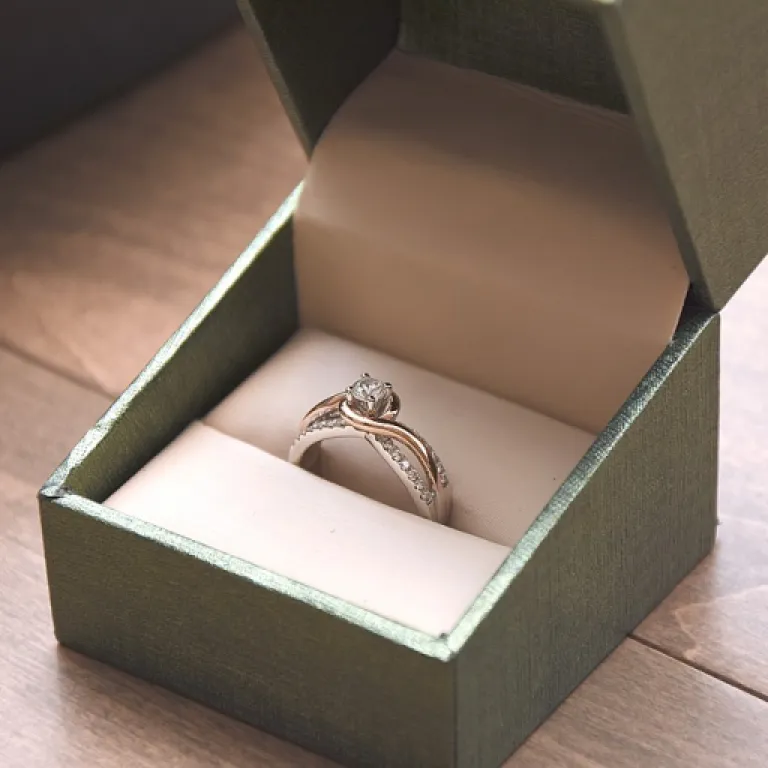
Why lab grown emeralds speak to modern engaged couples
Lab grown emeralds give engaged couples a rare balance of beauty, ethics, and value. These gemstones are created in a controlled laboratory environment, so every stone can be traced from production facility to finished ring, which offers genuine peace of mind for anyone worried about mining impacts. Their vivid emerald green colour, comparable to many high grade natural emeralds, makes them ideal for engagement rings and wedding bands that symbolise enduring love.
When you choose a lab grown emerald for your ring, you reduce demand for new mining while still enjoying excellent quality gemstones that rival traditionally sourced emeralds in clarity and brilliance. Independent price comparisons from major retailers suggest that lab grown emeralds can cost 30–60% less than natural emeralds of similar colour and clarity, which helps couples stay within budget without compromising on impact. Many people now compare lab grown emeralds with natural emeralds and even with diamonds or sapphire options, because they want jewelry that reflects both their values and their style over time. This shift toward responsibly produced gemstones in wedding rings shows how future married people are redefining what a perfect ring should represent in terms of responsibility and design.
Ethical sourcing is especially important when a ring will be worn every day and passed down as a vintage heirloom. A lab created emerald produced in a modern facility avoids many social and environmental issues linked to some natural gemstone supply chains, while still delivering the deep green glow people love. One London based jeweller describes it this way: “Couples ask for a ring they can tell a story about. When that story includes lower impact lab grown emeralds and recycled gold, their faces genuinely light up.” For couples planning their ceremony, knowing that their emerald gems were produced with lower environmental impact can make the moment of exchanging rings feel even more meaningful.
Ethical sourcing explained for emerald and diamond wedding rings
Ethical sourcing means understanding exactly where your gemstones and metals come from and how they were produced. When you select lab grown emeralds for your engagement ring or wedding rings, you gain transparency that is often difficult to obtain with mined natural emeralds or diamond ring styles that use traditionally sourced stones. This clarity helps you align your jewelry choices with your values about labour rights, environmental protection, and long term community impact.
For many couples, the choice now sits between a natural emerald and a lab grown emerald, or between mined diamonds and lab created alternatives, all within one classic or modern design. Lab grown emeralds and other lab grown gemstones such as pink sapphire or pink tourmaline are created in facilities that can be audited, which means brands can share verifiable data about energy use, water consumption, and waste management over time. Lifecycle assessments on laboratory produced gemstones, including studies cited by the Natural Diamond Council and De Beers Group for lab grown diamonds, suggest that some lab grown stones can reduce greenhouse gas emissions by 20–60% compared with certain mined equivalents, depending on the energy mix used by the production facility. This level of traceability is a powerful tool for future married people who want their ring to be a symbol of love and responsibility, not just luxury.
When you explore ethical wedding rings, look for jewelers who explain their sourcing policies clearly and who show how each ring design supports better practices. A helpful starting point is to read a dedicated guide to choosing ethical wedding rings and conscious commitment, then compare how different brands handle lab grown emeralds, natural emeralds, and other gemstones. You can also consult a certification and gemstone buying guide that explains grading reports from organisations such as GIA and IGI, so you know how to interpret information about colour, clarity, and origin. The more transparent the information about natural emeralds, diamonds, and sapphires, the easier it becomes to choose a ring that will respond to both your aesthetic taste and your ethical expectations.
Comparing lab grown emeralds and natural emeralds for wedding rings
Lab grown emeralds and natural emeralds share the same basic chemical composition, which is why both types of emerald can show that iconic green colour. The main difference lies in how they form, because natural emeralds grow in the earth over geological time while a lab grown emerald forms in a controlled setting under carefully managed conditions. This controlled growth often leads to fewer visible inclusions, so lab grown emeralds can offer excellent clarity at a more accessible price.
For wedding rings, that difference in clarity and cost can influence your design choices and your budget. Couples who love a bold emerald green centre stone might choose a cushion cut lab grown emerald or an east west set emerald, then surround it with small diamond accents for extra sparkle. Others may prefer a more subtle ring design that pairs a slim band of recycled gold with a single lab created emerald, creating a classic yet modern look that feels refined rather than showy. If you are comparing lab grown emerald engagement ring cost per carat with natural stones, you will often find that the lab grown option allows you to move up a size or upgrade the cut quality without a dramatic jump in price.
Environmental impact is another key factor when comparing natural emeralds and lab grown alternatives for lifelong jewelry. Mining natural emeralds and diamonds can disturb ecosystems and use significant resources, whereas a gemstone production facility can be optimised for lower emissions and better waste control. Industry data on coloured stones and lab grown diamonds indicates that laboratory created gemstones have been growing at a double digit annual rate, partly because buyers want options with a smaller footprint. When you combine a lab grown emerald with recycled gold that meets a recognised sustainability standard, you create a ring that honours both your relationship and the planet.
Designing your perfect ring with emerald green ethical gemstones
Designing a perfect ring with lab grown emeralds starts with choosing the overall style that best reflects your shared story. Some couples gravitate toward a classic solitaire ring with a single emerald green centre stone, while others prefer vintage inspired designs that combine emerald gems with delicate milgrain details and small diamonds. Modern aesthetics often highlight clean lines, an east west emerald setting, or a sleek band that lets the lab grown emerald take centre stage.
Cut plays a crucial role in how both lab grown and natural emeralds catch the light and express their colour. A cushion cut lab grown emerald offers soft corners and a romantic feel, whereas an emerald cut emphasises long, elegant facets that suit both classic and contemporary designs. You can also consider pairing a lab grown emerald with complementary gemstones such as pink sapphire or pink tourmaline, which create a refined contrast that feels personal rather than trend driven. Many couples sketch ideas with their jeweller or use online ring builders to test how different cuts and side stones change the overall mood of the design.
Loose stones give you even more freedom to customise your wedding rings and engagement ring from the ground up. By selecting loose stones from a reputable producer, you can compare different cuts, sizes, and shades of green before finalising your ring design. This process allows you to balance budget, style, and symbolism so that the final jewelry piece will respond to your expectations and provide lasting peace of mind every time you look at your hand.
Practical guidance for choosing lab grown emerald wedding rings
When you start shopping for lab grown emeralds, focus first on verifying the origin and certification of each stone. Reputable jewelers will respond to detailed questions about which laboratory produced the emerald, what grading reports are available, and how the stone compares with similar natural emeralds. Clear documentation from organisations such as GIA or IGI is a strong sign that the jewelry brand takes both quality and ethical sourcing seriously.
Next, evaluate the overall ring design, including metal choice, setting style, and any accent gemstones such as diamonds or sapphire. If you love a luminous band, you might compare a lab grown emerald centre stone with a moissanite eternity band by reading a guide to choosing a moissanite eternity ring for a luminous wedding band, then decide how to combine these elements. Pay attention to how the emerald green hue interacts with the metal colour, because yellow gold enhances warmth, white gold or platinum emphasises brightness, and rose gold creates a soft, romantic contrast.
Finally, think about long term wear and maintenance so your rings stay beautiful over time. Both lab grown emeralds and natural emeralds are relatively hard gemstones, but they can still chip if struck, so a protective setting such as a bezel or halo may suit very active lifestyles. Choosing excellent quality craftsmanship, from the precision of the cut to the finishing of the band, ensures that your perfect ring remains a daily reminder of love, commitment, and peace of mind rather than a source of repair worries.
Emotional meaning and long term value of ethical emerald jewelry
A wedding ring is more than metal and gemstones, because it carries your shared history and future promises. When you choose lab grown emeralds for this symbol, you connect the deep green colour of the emerald with ideas of renewal, growth, and enduring love. That symbolism can feel especially powerful for couples who see their relationship as a conscious partnership built on shared values.
Ethical jewelry choices also influence how you feel each time you notice your ring during everyday moments. Knowing that your lab created emerald and any accompanying diamonds or sapphires were sourced responsibly can provide lasting peace of mind, rather than nagging doubts about hidden environmental or social costs. Over time, this quiet confidence becomes part of the emotional value of the ring, just as important as the sparkle of the gemstones or the elegance of the design. One buyer described her experience after choosing a lab grown emerald engagement ring: “Every time I look at my hand, I remember that we chose something beautiful that also reflects how we want to live.”
From a financial perspective, lab grown emeralds offer excellent quality at a more accessible price point than many high grade natural emeralds, which allows you to invest more in craftsmanship or custom designs. Some couples choose to allocate the savings from a lab grown emerald toward a more intricate vintage inspired setting, a matching band, or even a meaningful experience together. In every case, the combination of thoughtful design, ethical sourcing, and personal symbolism ensures that your ring will respond not only to current trends but also to the timeless story you are writing together.
Key figures about ethical gemstones and lab grown emeralds
- Industry reports on coloured stones and lab grown diamonds indicate that demand for laboratory created gemstones has been rising at a double digit rate in recent years, reflecting a strong shift toward ethical and affordable options for engagement rings.
- Data shared by mining and jewelry trade bodies shows that traditional diamond extraction can move hundreds of tonnes of earth per carat, while lab based production of gemstones such as lab grown emeralds uses far less land and can increasingly be powered by renewable energy.
- Consumer research commissioned by major jewelry organisations, including the Natural Diamond Council and De Beers Group, has found that a majority of Millennial and Generation Z buyers consider sustainability and ethical sourcing important when purchasing fine jewelry, which directly influences interest in lab grown emeralds and other lab created stones.
- Independent lifecycle assessments on laboratory produced gemstones suggest that some lab grown stones can reduce greenhouse gas emissions by around 20–60% compared with certain mined equivalents, depending on the energy mix used by the production facility.
- Market analyses from leading jewelry retailers report that ethical and sustainable collections, including rings with lab grown emeralds, have experienced faster sales growth than conventional lines that rely solely on mined gemstones, with some brands reporting growth rates more than twice that of their overall jewelry category.
FAQ about lab grown emeralds for wedding rings
Are lab grown emeralds real emeralds
Lab grown emeralds are real emeralds with the same basic chemical composition and crystal structure as natural emeralds. The difference is that they form in a lab rather than in the earth, which allows better control over clarity and colour. This makes them a genuine alternative for engagement rings and wedding jewelry.
How do lab grown emeralds compare in durability to natural emeralds
Both lab grown emeralds and natural emeralds typically fall between 7.5 and 8 on the Mohs hardness scale, which means they are suitable for daily wear with reasonable care. Like all emeralds, they can be more brittle than diamonds or sapphire, so protective settings help reduce the risk of chipping. Regular gentle cleaning and avoiding harsh impacts will keep either type of emerald looking its best over time.
Are lab grown emerald wedding rings more affordable
Lab grown emeralds usually cost less than natural emeralds of comparable colour and clarity, because their production is more predictable and less resource intensive. In many cases, couples find that a lab grown emerald engagement ring cost per carat can be 30–60% lower than a similar natural stone. This price difference allows couples to choose larger stones, higher quality cuts, or more intricate designs without exceeding their budget. Many future married people use the savings to invest in better craftsmanship or complementary bands.
Can lab grown emeralds be certified and traced
Reputable laboratories and jewelers provide grading reports and documentation for lab grown emeralds, similar to those available for natural gemstones. These documents describe characteristics such as weight, cut, colour, and clarity, and they often specify the production method. Such transparency helps couples verify ethical sourcing claims and make informed decisions about their rings.
Do lab grown emeralds hold sentimental value like natural stones
The sentimental value of a wedding ring comes from the relationship and the memories attached to it, not only from whether the stone is natural or lab grown. Many couples feel that choosing lab grown emeralds enhances the emotional meaning, because the ring reflects their ethical and environmental values. Over time, the story behind the choice becomes part of the ring’s legacy, just like any family heirloom.