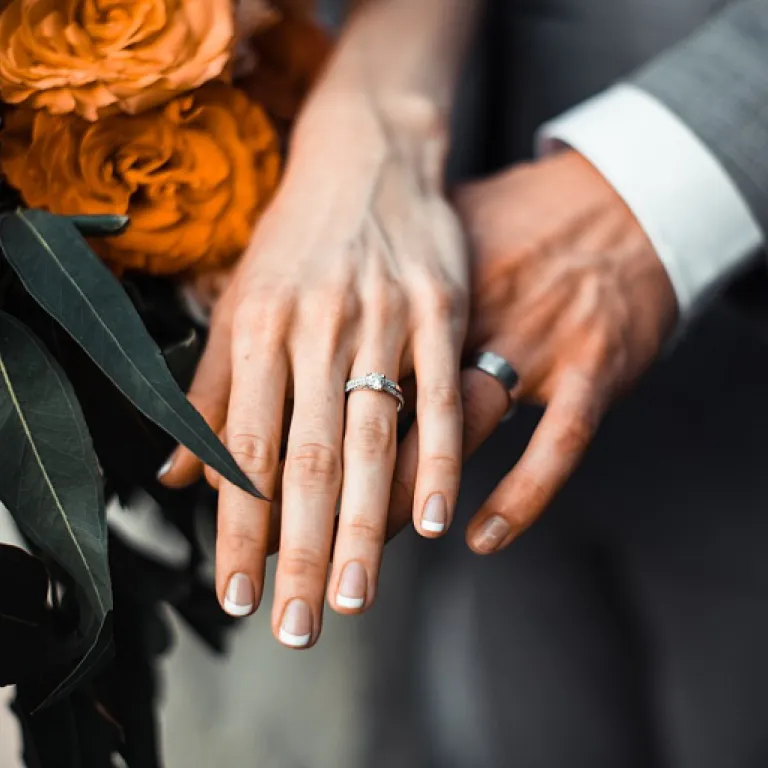
Why a 3 stone lab grown diamond ring speaks to modern couples
A 3 stone lab grown diamond ring tells a story in three parts. Many future married people see each stone on the ring as representing the past, present, and future of their engagement and shared life together. This symbolic three stone design feels timeless yet modern, especially when you choose ethical lab grown diamonds that reflect your values and priorities as a couple.
When you select a central grown diamond with two side stones, you create a balanced composition that flatters the hand. Some couples prefer a classic round three stone layout, while others choose an oval three stone arrangement for a more elongated and graceful look. Whether you lean toward a minimalist band in platinum or a warm gold setting, the three stones work together to create a refined and romantic diamond engagement style that feels personal rather than generic.
Lab grown diamonds used in these rings are chemically and optically identical to mined diamonds. This means your 3 stone lab grown diamond ring offers the same brilliance, hardness, and durability as traditional diamonds, yet often at a more accessible price for young couples. Because the stone engagement design uses three focal diamonds, you can play with different shapes such as emerald cut, half moon, or stone trillion side stones to personalize the ring and highlight your favorite features.
Ethical considerations matter deeply to many engaged partners today. A lab grown three stone engagement ring allows you to align your purchase with environmental and social concerns without sacrificing beauty. If you want to understand how production methods influence sustainability, you can read about how your lab grown diamonds’ carbon footprint depends entirely on where the stone was grown on a specialized wedding ring resource or in producer sustainability reports.
For couples planning a proposal, the flexibility of lab grown diamonds is a major advantage. You can prioritize a larger center stone or upgrade the quality of the side stones while staying within your planned price range. For example, some buyers choose a 1.25 carat center diamond with two 0.40 carat sides instead of a single 1.5 carat solitaire, gaining more visual width across the finger for a similar budget. This freedom lets you design a ring that feels like it will last forever, both emotionally and physically, without compromising on craftsmanship or materials.
Choosing the right shapes and settings for your three stone engagement ring
The shape of each stone on your ring dramatically changes its character. A classic round center diamond with two round side stones creates a soft, balanced look that suits almost every hand shape. By contrast, an oval center stone flanked by half moon or stone trillion side stones gives your 3 stone lab grown diamond ring a more fashion forward and elongated profile that draws the eye along the finger.
Many couples compare round three stone layouts with oval three stone designs before deciding. Round diamonds offer maximum sparkle and a traditional engagement feel, while oval diamonds appear slightly larger for the same carat weight and create a slimming effect on the finger. Emerald cut center stones paired with tapered side stones or a subtle halo can bring a refined, architectural elegance to your engagement ring and appeal to those who love clean lines.
Metal choice also shapes the personality of your ring. White gold emphasizes the icy brightness of lab grown diamonds, while rose gold adds a romantic blush that flatters many skin tones. Yellow gold creates a rich contrast with white diamonds and can make the three stone arrangement feel vintage inspired yet still fresh and contemporary.
Some jewelers offer creative combinations such as a white gold band with a gold rose detail under the setting, or mixed metal prongs that highlight each stone. If you love color, you might explore gemstone accents or alternative stones, similar to the luminous Peruvian blue opal wedding rings that capture ocean light and lifelong vows described on a dedicated wedding jewelry guide. These inspirations can help you refine how you want your own three stone lab grown diamond ring to look and feel, from subtle details to bold contrasts.
Think carefully about how high you want the center stone to sit. A lower profile three stone engagement ring is practical for everyday wear, while a slightly elevated setting allows more light to enter the diamonds for extra sparkle. Halo details around the center or side stones can visually increase size and presence, which is especially appealing if you are balancing carat weight and price and want a more dramatic effect without increasing stone size.
Metals, colors, and how they influence style and durability
When you design a 3 stone lab grown diamond ring, the metal you choose frames every stone. Platinum is prized for its strength and natural white color, which makes it ideal for securing three diamonds and delicate side stones over a lifetime of daily wear. White gold offers a similar bright appearance with a slightly lighter feel and often a more approachable price point for engagement rings, especially in higher karat alloys.
Rose gold has become a favorite for couples seeking a romantic, vintage inspired mood. The warm pink hue of rose gold contrasts beautifully with white diamonds and can soften the geometry of emerald cut or stone trillion shapes. Yellow gold, by comparison, delivers a classic and luxurious look that pairs especially well with round or oval center stones in a three stone engagement ring and can echo heirloom pieces in a family.
Some designers experiment with mixed metals to highlight the three main diamonds. You might see a white gold band with rose gold prongs around the center grown diamond, or a yellow gold shank with a platinum basket holding the stones. These subtle choices can make your ring feel unique while still timeless enough to wear forever and to pass down as an heirloom.
Color also plays a role if you are considering alternative gemstones alongside lab grown diamonds. Dark accents, such as black gemstones, can be evaluated using resources that explain how to choose the right dark gemstone elegance when comparing black versus black onyx wedding rings. While your main focus may remain on a three stone lab grown diamond ring, understanding contrasting stones helps you decide whether to keep the design fully white or introduce color for a bolder statement.
Durability should never be an afterthought for a diamond engagement design. Platinum is slightly denser and more resistant to wear, while gold alloys in white gold, rose gold, and yellow gold are carefully engineered to balance hardness and workability. Whatever metal you select, ensure the prongs around each stone are robust enough to protect the diamonds and side stones through decades of daily engagement ring wear, and ask your jeweler how often they recommend checking the setting.
Understanding price, value, and ethical impact of lab grown diamonds
Many future married couples appreciate that a 3 stone lab grown diamond ring often costs less than an equivalent mined diamond ring. Because lab grown diamonds can be produced more efficiently, you may secure a larger center stone or higher clarity side stones for the same budget. This favorable price to quality ratio allows you to invest in a ring that feels substantial without financial strain and still reflects your taste.
Value, however, is not only about the initial price tag. A well crafted three stone engagement ring in platinum or high quality gold will hold sentimental value forever, regardless of market fluctuations. When you choose lab grown diamonds, you also gain transparency about origin, which many couples consider a crucial part of the overall value of their engagement rings and an important ethical reassurance.
Ethical impact is a key reason people turn to lab grown diamonds. These stones are created in controlled environments using advanced lab technology, which avoids many of the social issues associated with some mining regions. If you want to go deeper, specialized analyses from gemological organizations and producers explain that your lab grown diamonds’ carbon footprint depends entirely on where the stone was grown and the energy mix used.
From a practical perspective, lab grown diamonds used in a three stone engagement ring are graded by the same laboratories that assess mined diamonds. You will see certificates detailing carat weight, color, clarity, and cut for each grown diamond, including any emerald cut or oval stones. Well known grading bodies include the Gemological Institute of America (GIA) and the International Gemological Institute (IGI), and this documentation helps you compare different rings and understand exactly what you are paying for when evaluating price and quality.
Resale value is often discussed, but for most couples, a diamond engagement ring is not an investment asset. Instead, it is a personal symbol meant to be worn every day and cherished forever, whether it features round three stones or a more unusual combination with half moon or stone trillion accents. Focus on choosing a 3 stone lab grown diamond ring that aligns with your ethics, aesthetics, and budget, rather than speculating about future market trends or potential resale prices.
Design details that personalize your three stone lab grown diamond ring
Small design decisions can transform a classic 3 stone lab grown diamond ring into something uniquely yours. Start with the proportions between the center stone and the side stones, because this ratio defines the overall silhouette. A larger center grown diamond with more delicate side stones creates a traditional engagement look, while nearly equal sized stones give a bold, modern presence on the finger and can feel more contemporary.
Consider whether you want a halo around the center stone, the side stones, or both. A halo of tiny diamonds around a round or oval center stone can make your three stone engagement ring appear significantly larger and more radiant. Some couples choose a hidden halo beneath the main stones, adding secret sparkle visible only from certain angles and creating a small detail that feels like a private message.
Band style also influences comfort and aesthetics. A slim, tapered band in white gold or platinum draws attention to the three main diamonds, while a slightly wider band in yellow gold or rose gold can feel more substantial and contemporary. You can add pavé diamonds along the band to echo the brilliance of the central stones and create a continuous flow of light that catches the eye with every movement.
Engraving is another way to make your ring feel personal forever. Inside the band, you might add initials, a meaningful date, or a short phrase that captures your engagement story. Some couples coordinate their engagement rings and wedding bands so that design elements, such as metal color or stone shapes, echo each other in a subtle and elegant way that ties the set together.
If you are ordering a ring that is ready to ship, check whether the jeweler allows later modifications such as resizing or adding extra side stones. Custom designs may take longer but offer complete control over every detail, from the exact shade of gold rose alloy to the choice between round three or oval three stone layouts. One designer notes that many clients “start with a classic three stone sketch and then tweak the band, prongs, and halos until it feels like their story,” so whatever path you choose, prioritize craftsmanship so that your three stone lab grown diamond ring remains beautiful and secure through decades of daily wear.
Practical tips for choosing, buying, and caring for your ring
Before you purchase a 3 stone lab grown diamond ring, define your priorities clearly. Decide whether size, sparkle, metal type, or ethical sourcing matters most, because this will guide how you allocate your budget across the center stone and side stones. Knowing your preferences in advance makes it easier to compare different engagement ring options without feeling overwhelmed or pressured.
When evaluating diamonds, pay close attention to cut quality. A well cut grown diamond, whether round, oval, or emerald cut, will appear brighter and more lively than a larger but poorly cut stone. Ask to see grading reports for all three stones in a three stone engagement ring, and compare how the color and clarity grades work together visually so the trio looks harmonious rather than mismatched.
Comfort and lifestyle should influence your final choice. If you work with your hands or wear gloves frequently, a lower profile setting with secure prongs around each stone may be more practical than a very tall halo design. Consider how the ring will sit next to a future wedding band, especially if you plan to add more diamonds or colored stones later and want the two rings to stack neatly.
Once you own your ring, regular care will keep it sparkling. Clean your 3 stone lab grown diamond ring at home with warm water, mild soap, and a soft brush, focusing gently around the prongs and under each stone. Schedule professional inspections at least once a year so a jeweler can check that the side stones and center diamond remain secure in the gold or platinum setting and that the band shows no signs of stress.
Insurance is a wise step for such a meaningful purchase. Obtain an appraisal that reflects the current price of comparable lab grown diamonds and the craftsmanship of your specific ring. With thoughtful selection and proper care, your three stone lab grown diamond ring will remain a radiant symbol of your engagement and your promise to stay together forever, no matter how trends change.
Key statistics about lab grown diamond engagement rings
- Industry commentators and trade publications report that lab grown diamonds now represent a meaningful and rapidly growing share of the global diamond jewelry market by value, reflecting strong adoption among engagement ring buyers. For the most current percentages, consult recent summaries from organizations such as the Jewelers Board of Trade or similar trade bodies.
- Consumer surveys shared by major jewelry retailers indicate that a significant portion of couples who consider a diamond engagement ring now at least compare lab grown options before deciding, highlighting growing awareness of ethical and price advantages. Exact figures vary by retailer and region, so review the latest investor communications or consumer research for precise numbers.
- Independent gemological laboratories state that lab grown diamonds have the same hardness rating of 10 on the Mohs scale as mined diamonds, meaning a 3 stone lab grown diamond ring offers equivalent durability for everyday wear. Educational materials from organizations like the Gemological Institute of America explain this shared physical property in more technical detail.
- Market analyses from lab grown diamond brands suggest that many buyers perceive lab created stones as offering noticeably more carat weight for the same budget compared with mined diamonds, which directly benefits couples designing three stone engagement rings. The exact percentage difference depends on quality, size, and market conditions at the time of purchase.
- Environmental assessments published by various producers suggest that lab grown diamonds can have a significantly lower environmental impact when produced with renewable energy, although the exact carbon footprint varies widely depending on where and how each stone is grown. To understand the footprint of a specific diamond, review the sustainability reports or environmental disclosures of the individual producer.
FAQ about 3 stone lab grown diamond rings
Are lab grown diamonds in three stone rings real diamonds
Lab grown diamonds used in a 3 stone lab grown diamond ring are real diamonds with the same chemical composition and crystal structure as mined stones. They are graded by independent laboratories using the same standards for cut, color, clarity, and carat weight. The only difference is that they are created in a controlled lab environment rather than formed underground over millions of years.
Is a three stone engagement ring practical for everyday wear
A three stone engagement ring is practical for daily use if it is well made. Choose a sturdy setting in platinum or strong gold alloys, with secure prongs around each stone. Regular cleaning and occasional professional inspections will help keep the diamonds safe and the ring comfortable for long term wear, even if you lead an active lifestyle.
How does the price of a 3 stone lab grown diamond ring compare to mined
A 3 stone lab grown diamond ring typically costs less than an equivalent mined diamond ring of the same quality. Many couples find they can afford a larger center stone or higher quality side stones within the same budget. For instance, a pair might choose a trio totaling around 2 carats in lab grown diamonds instead of a smaller mined diamond arrangement, making lab grown options attractive for those seeking both value and visual impact.
Which metal is best for a three stone lab grown diamond engagement ring
Platinum is excellent for durability and a naturally white color, while white gold offers a similar look at a lower price. Rose gold and yellow gold provide warmer tones that change the character of the three stone design. The best choice depends on your skin tone, style preferences, and how you want the diamonds to appear against the metal every day.
Can I customize a ready to ship three stone lab grown diamond ring
Many jewelers allow limited customization of a ready to ship three stone lab grown diamond ring. Common options include resizing, changing the metal finish, or adjusting the wedding band pairing. For more extensive changes, such as altering stone shapes or adding halos, a fully custom design process is usually required so the setting can be engineered for your exact three stone layout.
