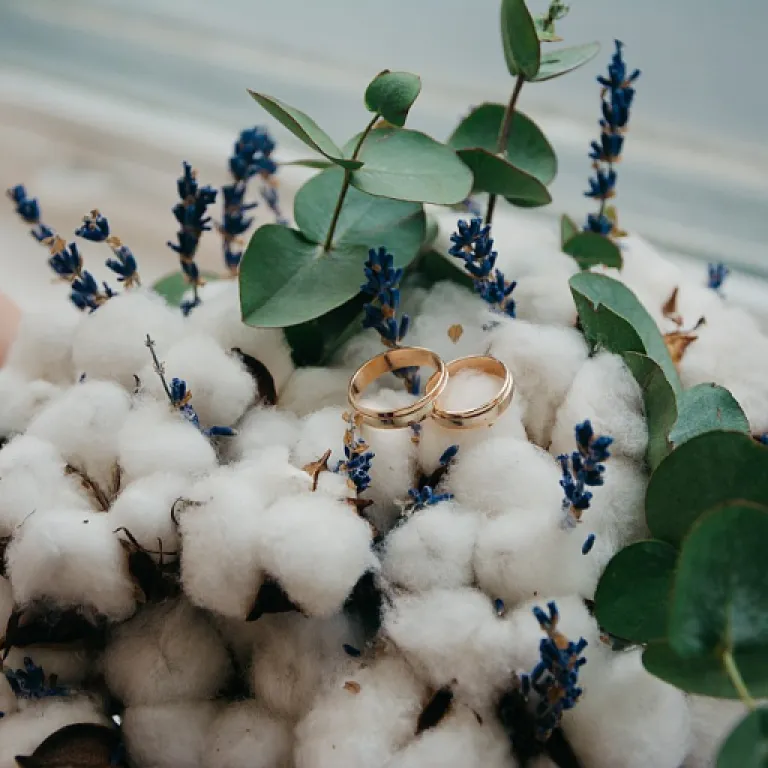
Jewelry styles explained for classic solitaire wedding rings
Choosing a solitaire engagement ring is about more than a single diamond or stone. Once you see different engagement ring aesthetics broken down clearly, you start to notice how every approach, from classic jewelry to modern jewelry, tells a slightly different story about your relationship. Understanding these style families in detail helps you select a ring that feels timeless today yet still elegant in another era.
In solitaire designs, the center stone is the focus, so every design element around it must support its beauty without distraction. Classic solitaires use clean lines and balanced proportions, creating a silhouette that flatters most hands and works with many other jewelry pieces such as a wedding band or a delicate necklace. When you compare different design styles a jeweler presents, pay attention to how the ring looks from the side, how the prongs are shaped, and how the metal color frames the diamond.
Metal choice strongly influences whether your solitaire feels vintage, modern, or somewhere between both aesthetics. Yellow gold gives a warm, traditional look that echoes late Victorian and early art deco eras, while white gold or platinum create a cooler, more minimalist jewelry mood. Rose gold adds a romantic color that can make a simple design appear like vintage jewelry even when the lines remain very modern.
Classic solitaire design elements and precious materials
Every solitaire ring begins with three decisions: the metal, the stone, and the overall design elements that hold everything together. When you have ring styles explained by a professional jeweler, you realize how much these materials and shapes influence durability, comfort, and long-term style. For future married people, choosing fine jewelry with a classic structure means your engagement ring and wedding band will age gracefully through every life era.
Gold remains the most popular choice for a solitaire ring because it balances beauty, strength, and value. Yellow gold emphasizes a traditional style and flatters warmer skin tones, while white gold gives a modern jewelry look that pairs easily with other pieces you already own. Rose gold offers a softer color that feels romantic and works beautifully in both minimalist jewelry designs and more ornate vintage jewelry–inspired settings.
Beyond gold, platinum and palladium are premium materials used in fine jewelry for their strength and naturally white color. These metals are ideal when you want very thin prongs, extremely clean lines, and a secure setting for a larger diamond or colored stone. If you are comparing classic jewelry bands for men, resources such as the guide on timeless men’s wedding bands can help you coordinate both rings in a harmonious style.
Center stone shapes, halo accents, and classic solitaire variations
Although a solitaire ring traditionally features a single diamond, the term now covers many styles that keep one center stone as the hero. Round brilliant diamonds remain the most popular choice, but oval, emerald, and rose-cut stones are gaining attention among couples who want a slightly different look without leaving the classic category. When you see these engagement ring styles side by side, you notice how each shape changes the ring’s personality and the way light moves across the stone.
Some classic solitaires include subtle halo details, where a circle of small stones surrounds the center stone without overwhelming it. A delicate halo pavé border can make the diamond appear larger while still preserving the clean lines and elegant style of a solitaire design. Couples who love vintage jewelry often choose a rose-cut diamond or colored stone with a fine halo, echoing late Victorian and early art deco pieces while keeping the overall ring profile refined.
Modern jewelry designers also reinterpret solitaires with east–west settings, where the stone is set horizontally instead of vertically. This style keeps the focus on a single stone but introduces a modern design twist that feels fresh and architectural. If you are curious about these contemporary interpretations, the article on modern solitaire settings shows how classic designs evolve without losing their essence.
From victorian to art deco : eras that shape solitaire styles
Understanding engagement ring styles through historical eras helps you see why certain rings feel classic while others feel distinctly vintage. Late Victorian solitaires often used yellow gold, rose-cut diamonds, and romantic motifs, creating pieces that feel soft and sentimental today. When you choose a ring with similar design elements, such as warm metal color and a slightly higher profile, you echo that era while still enjoying modern craftsmanship.
Art deco solitaires, by contrast, emphasize geometry, symmetry, and bold style. These designs often combine clean lines with stepped shoulders, baguette side stones, or subtle halo accents, creating statement pieces that still feel surprisingly minimalist jewelry–inspired. If you love vintage jewelry but want a ring that looks sharp and structured, an art deco–influenced solitaire in white gold or platinum can be an ideal style.
Victorian and art deco references also appear in modern jewelry through engraving, milgrain edges, and mixed materials. A solitaire ring with a simple center stone and a band decorated with tiny beads or scrollwork can bridge classic jewelry and vintage aesthetics beautifully. When you see how these historical influences shape current designs, you can decide whether you prefer a pure classic look or a ring that quietly nods to a favorite era.
Modern minimalist jewelry versus ornate statement pieces
Many future married people feel torn between minimalist jewelry and more ornate statement pieces when choosing a solitaire engagement ring. Minimalist styles focus on clean lines, slim bands, and a center stone that appears to float, creating a modern jewelry look that pairs easily with everyday outfits. Ornate designs, on the other hand, use halo pavé accents, engraved bands, and layered materials to create a richer style that feels closer to vintage jewelry.
If you lean toward a minimalist style, consider a solitaire in white gold or platinum with a simple four-prong setting and a plain band. This type of design lets the diamond or colored stone take center stage while keeping the overall ring profile low and comfortable for daily wear. Couples who prefer subtle elegance often choose matching pieces, such as a slim necklace or stud earrings, to echo the same design language without creating visual clutter.
Those who love statement pieces might explore solitaires with double halos, split shanks, or mixed metal designs. A yellow gold band with a white gold halo around the center stone, for example, creates a striking color contrast while remaining within the classic jewelry family. For a deeper dive into bold yet refined aesthetics, the article on sculpted and architectural engagement rings shows how modern style trends can still feel timeless.
Practical tips for choosing your classic solitaire ring online
Buying a solitaire engagement ring online can feel daunting, but clear information and transparent policies make the process easier. Look for retailers who provide detailed photos, videos, and full specifications so you can see the design elements and materials as if you were holding the ring. Many reputable fine jewelry brands also offer free shipping and insured returns, which reduces risk and allows you to compare styles at home.
When comparing different ring designs on product pages, pay attention to the measurements of the band, the height of the setting, and the size of the center stone. A ring with very clean lines and a low profile will feel more comfortable for active lifestyles, while a taller setting with a halo pavé frame may catch more light but require extra care. Check whether the design allows a straight wedding band to sit flush against the engagement ring, especially if you prefer a classic jewelry stack without gaps.
Finally, consider how your solitaire will coordinate with other pieces you already own or plan to buy. If your everyday necklace and earrings are mostly yellow gold, choosing a yellow gold solitaire will create a cohesive style that feels intentional. Couples who mix metals, such as rose gold and white gold, can still achieve harmony by repeating similar design elements, like milgrain edges or geometric shoulders, across several pieces.
Key figures about engagement ring preferences and materials
- According to De Beers Group’s 2021 Diamond Insight Report, solitaire designs account for a significant share of engagement ring sales, with classic styles remaining the preferred choice for many couples compared with multi-stone settings. The report notes that in the United States, bridal diamond jewelry represented roughly half of total diamond jewelry demand by value in 2020–2021.
- Surveys from The Knot’s 2022 Jewelry & Engagement Study show that round diamonds remain the most popular center stone shape, followed by oval and princess cuts, reflecting a balance between traditional and modern preferences. The same study reports that a majority of respondents chose a single-stone or solitaire-style ring rather than a three-stone or cluster design.
- Industry reports from the World Gold Council, such as the Gold Demand Trends 2022 review, indicate that yellow gold and white gold together represent the majority of engagement ring metals, while rose gold has grown steadily in popularity over the past decade. The World Gold Council also highlights that jewelry accounts for the largest share of annual gold demand worldwide.
- Consumer research from Jewelers of America’s 2021 Consumer Survey highlights that online shoppers increasingly value detailed product information and clear return policies, with many respondents ranking free shipping as a key factor in choosing a retailer. The survey further notes that younger buyers are especially likely to research metal types and setting styles before purchasing.
FAQ about classic solitaire engagement rings
How do I choose the best metal color for my solitaire ring ?
Start by looking at the jewelry you already wear most days and note whether it is mainly yellow gold, white gold, or rose gold. Matching your engagement ring to those pieces creates a cohesive style and makes daily styling easier. If you are unsure, try on sample bands in different colors to see which metal flatters your skin tone and feels most timeless.
What is the difference between a classic solitaire and a halo solitaire ?
A classic solitaire features a single center stone on a plain or lightly decorated band, with no surrounding stones. A halo solitaire adds a ring of small diamonds or gemstones around the center stone, which can make it appear larger and more brilliant. Both styles can be elegant; the choice depends on whether you prefer minimalist jewelry or a slightly more ornate design.
Are vintage inspired solitaire designs practical for everyday wear ?
Vintage inspired solitaires can be very practical if they are crafted with durable materials and thoughtful design elements. Look for secure prongs, smooth edges, and a setting height that will not catch easily on clothing or hair. Many modern jewelry designers blend vintage aesthetics with contemporary engineering to create rings that feel romantic yet robust enough for daily life.
How big should the center stone be on a classic solitaire ?
The ideal size for a center stone depends on your budget, finger size, and personal style. A well-cut smaller diamond or gemstone can look more impressive than a larger stone with poor proportions, especially in a design with clean lines. Focus on overall balance between the stone, the band width, and your hand rather than chasing a specific carat number.
Can a solitaire engagement ring be customized without losing its classic look ?
Yes, subtle customization can keep the ring classic while making it uniquely yours. Options such as engraving, a hidden halo, or a slightly different prong style allow you to personalize the design without turning it into a statement piece. Working with a trusted fine jewelry professional ensures that any changes respect the original proportions and long-term durability of the ring.
References
- De Beers Group, Diamond Insight Report 2021.
- The Knot, 2022 Jewelry & Engagement Study.
- World Gold Council, Gold Demand Trends 2022.