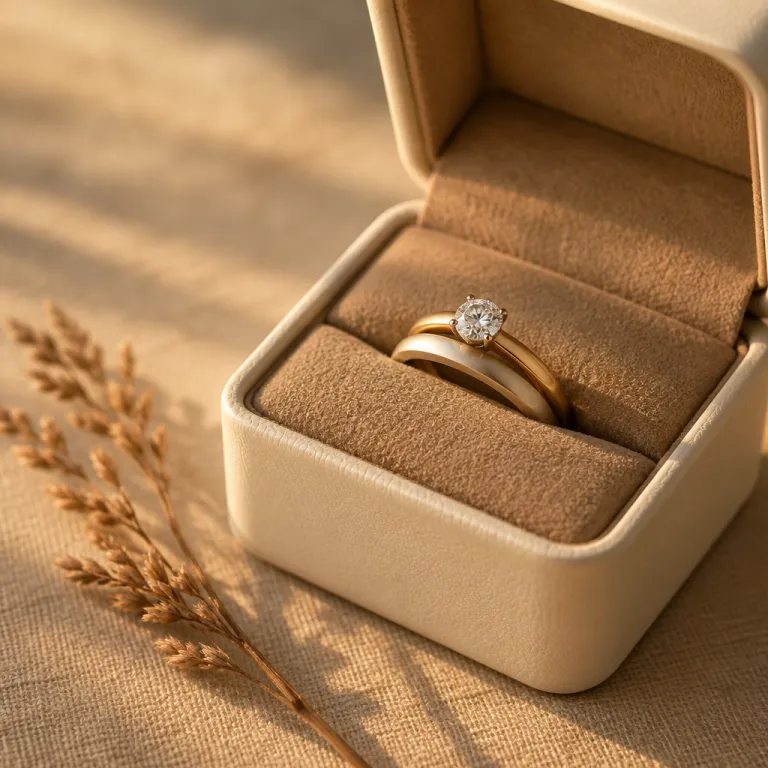
What a two tone mixed metal engagement ring really is
A two tone mixed metal engagement ring is not a gimmick; it is a deliberate way to let different metals frame the same story on your hand. In practice that usually means a yellow gold band with white gold or platinum prongs, a white metal shank with rose gold shoulders, or a single ring where brushed and polished finishes create subtle contrast along one continuous band. When you hear jewelers talk about mixed metals, they are describing how yellow, white, and rose alloys share space in one engagement ring without fighting for attention.
Start with the metal that feels most like you, then let the second tone do the supporting work around the diamond or other center stone. Many couples choose a warm yellow gold band for everyday softness against the skin, then ask for a white gold or platinum engagement setting around the stone so the cut looks crisp and the diamond engagement sparkle reads bright from every angle. Others reverse the roles and use a cool white band with rose gold accents around a hidden halo or three stone cluster, which gives the ring a softer, more romantic tone engagement profile while still reading modern.
Think of the metals as lighting for your stone, because the wrong rings tone can flatten even a beautifully cut engagement diamond. A white metal engagement head around a round brilliant or oval cut will emphasize fire and contrast, while a yellow gold or rose gold bezel can warm up a champagne or salt and pepper stone in a way that feels intentional rather than imperfect. The best two tone mixed metal engagement ring designs treat every surface of the band, prongs, and gallery as part of one composition, not as separate pieces welded together at the last minute.
Why mixed metals are having a moment that will last
The surge in yellow gold engagement rings is not a passing fad; it is a correction after decades of white metal dominance. As more people return to yellow gold for its warmth and vintage echo, they still want the crisp, bright look that white gold or platinum gives a diamond engagement center stone, which makes the two tone mixed metal engagement ring the natural compromise. Mixed metals also solve a real life problem for couples who own both warm and cool metal jewelry and want one engagement ring that plays nicely with everything already in their jewelry box.
There is also a lifestyle shift behind this trend, because fewer couples are buying a single classic set and calling it done. Stacking slim bands, adding birthstone rings, and building a small wardrobe of metal jewelry around one central engagement ring has become normal, which makes a flexible rings tone more valuable than a rigid matchy matchy set. If you already love the idea of layering a slim yellow gold band with a white gold eternity ring and a delicate rose gold accent band, a two tone mixed metal engagement ring becomes the anchor that lets all those rings feel intentional instead of random.
For custom design seekers, mixed metal engagement options open up storytelling in a way a single tone cannot. You might use yellow gold to echo a parent’s original band, then choose a platinum engagement head to protect a modern elongated cushion cut stone that you chose together. Couples who care about subtle symbolism often assign meaning to each metal, letting white gold stand for clarity, rose gold for romance, and yellow gold for continuity, so the finished ring feels like a quiet personal code rather than a catalog style.
Design rules that keep two tone rings sharp, not chaotic
Good design is what separates a refined two tone mixed metal engagement ring from something that looks like three different rings fused together. The first rule is hierarchy; choose one dominant metal for the band and supporting details, then use the second tone in smaller, high impact areas like prongs, halos, or a hidden halo under the center stone. When yellow gold is the main band color and white gold or platinum is reserved for the diamond engagement setting, the eye reads the ring as warm overall with a crisp focal point, which photographs beautifully in both daylight and indoor lighting.
Proportion matters just as much as color, especially with larger stones or elaborate halo engagement designs. A very thick yellow gold band with a tiny white metal head can make the stone look undersized, while a massive white gold halo on a whisper thin rose gold band can feel top heavy and unstable on the finger. Instead of a fixed formula, aim for a visual balance where the metal engagement structure around the stone feels clearly integrated with the band, so the top view shows the center setting, shank, and any side stones or three stone accents working together rather than competing.
Shape and cut also influence which metals and tones work best together on your ring. Clean, geometric cuts like emerald, Asscher, or baguette pairs often look strongest with white gold or platinum engagement heads and minimal halos, letting the contrast between the cool metal and a yellow gold band do the visual lifting. Softer shapes like oval, pear, or gold round brilliant cuts can handle more ornate halo engagement details, including rose gold petals or a white yellow metal mix in the halo itself, especially when you want a romantic look that still feels classic rather than costume like; for more on how unconventional layouts change the mood, see this guide to rewriting traditional diamond rules.
Practical realities: comfort, maintenance, and long term care
Mixed metals are beautiful, but they are also physics, and your two tone mixed metal engagement ring has to survive decades of daily wear. Different gold alloys and platinum expand and contract at slightly different rates with heat, which means a jeweler must understand how to solder and reinforce joints where yellow gold meets white gold or platinum along the same band. Bench jewelers often note that complex metal engagement structures with many solder points require slower heating and cooling to avoid stress, so if you plan to resize more than once over your lifetime, ask your jeweler how the specific metals in your ring will behave.
Maintenance is another place where contrast shows up, sometimes in ways couples do not expect. High karat yellow gold is softer and will show dings sooner than white gold or platinum, while rhodium plated white gold can slowly lose its bright white tone and reveal a slightly warmer base color that changes the rings tone next to a crisp yellow band. Many studio jewelers recommend routine rhodium plating care every one to three years depending on wear, and platinum engagement settings develop a soft patina instead of losing metal, which some people love for its lived in look, but that grayish sheen can make a bright white halo engagement frame look slightly darker than a freshly polished yellow gold shank.
Cleaning routines should respect both the stone and the metals, especially when you have a detailed hidden halo or three stone gallery where lotion and soap can collect. Warm water, mild dish soap, and a soft brush are safe for most diamond engagement rings in mixed metal, but ultrasonic cleaners can sometimes loosen small stones in very delicate pavé, particularly where solder seams meet. When you go in for professional maintenance, ask the jeweler to check prongs in both metals and to polish in a way that preserves any intentional brushed or matte contrast on the band instead of buffing everything to the same generic shine; if you are curious about how alternative settings change daily wear, this piece on east west solitaire designs is a useful companion read.
Pairing a two tone engagement ring with wedding bands
Once you fall for a two tone mixed metal engagement ring, the next puzzle is how to stack it with wedding bands without visual noise. One approach is to let the engagement ring handle the mixed story and choose a single metal band in either matching yellow gold or white gold, which creates a calm frame that does not compete with the center stone. Another strategy is to echo the contrast by wearing one yellow gold band and one white or rose gold band on either side of the engagement ring, turning the whole stack into a deliberate gradient of metals.
If you love symmetry, consider a slim white gold or platinum band that lines up perfectly with the engagement ring’s white metal head, so the cool tones read as one continuous line around the diamond while the yellow gold or rose gold base peeks out beneath. Couples who prefer a more eclectic look often add a textured or engraved band in a third tone, such as a brushed rose gold ring next to a white yellow mixed metal engagement stack, which can be especially striking when paired with a low profile three stone or hidden halo design. For more ideas on building meaningful stacks over time, including anniversary and family pieces, this guide to stackable bands and birthstone rings offers practical inspiration.
Think about long term flexibility as much as the wedding day photos when you choose your bands. A simple, classic gold engagement band in yellow or white can be the piece you never take off, while more decorative bands with halos, colored stones, or intricate metal jewelry details rotate in and out depending on mood and occasion. The right combination will feel balanced from every angle, sit comfortably without spinning, and still look like you on a quiet Tuesday morning when the only audience is the way your ring catches light over a cup of coffee.
FAQ about two tone and mixed metal engagement rings
Are two tone engagement rings more expensive than single metal designs ?
The price of a two tone mixed metal engagement ring depends more on the diamond or center stone quality and overall craftsmanship than on the number of metals used. Adding a second metal, such as combining yellow gold with a platinum engagement head, can increase labor costs slightly because of extra soldering and finishing. However, many couples offset that by choosing a slightly smaller cut engagement stone or a classic halo engagement design that maximizes visual impact without a major jump in budget.
Will mixed metal rings go out of style ?
Two tone engagement rings feel current right now, but the underlying idea is classic; vintage pieces have mixed yellow gold and white metals for generations to highlight diamonds and create contrast. Because the design relies on balance rather than trend specific motifs, a well proportioned mixed metal engagement ring will age as gracefully as a single tone band. If you keep the silhouette clean and let the metals frame the stone instead of overwhelming it, the ring will still feel relevant decades from now.
Can a jeweler resize a mixed metal engagement ring easily ?
Resizing a two tone mixed metal engagement ring is possible, but it is more technical than resizing a simple single metal band. Different metals, such as gold platinum combinations or yellow gold with white gold, expand and contract differently under heat, so the jeweler must protect solder joints and any nearby stones. For significant size changes, some jewelers prefer to remake the band portion while preserving the diamond engagement head, which keeps the structural integrity of the ring strong over time.
Which metal combinations work best for everyday wear ?
For daily wear, a yellow gold or rose gold band paired with a white gold or platinum engagement head is one of the most practical combinations. The warmer metal along the finger hides small scratches well, while the harder white metal around the stone protects prongs and keeps the diamond looking bright. If you are very active with your hands, a slightly thicker band and a low profile hidden halo or three stone setting in mixed metals will usually outlast a very delicate, high set design.
How do I match my two tone engagement ring to my existing jewelry ?
Start by looking at the metals you already wear most often, whether that is yellow gold, white gold, rose gold, or platinum. Choose a two tone mixed metal engagement ring where one of those familiar metals is dominant, then let the second tone bridge the gap to pieces you wear less often. Over time you can add bands and other rings in both metals, creating a cohesive but flexible metal jewelry wardrobe that feels intentional rather than mismatched.