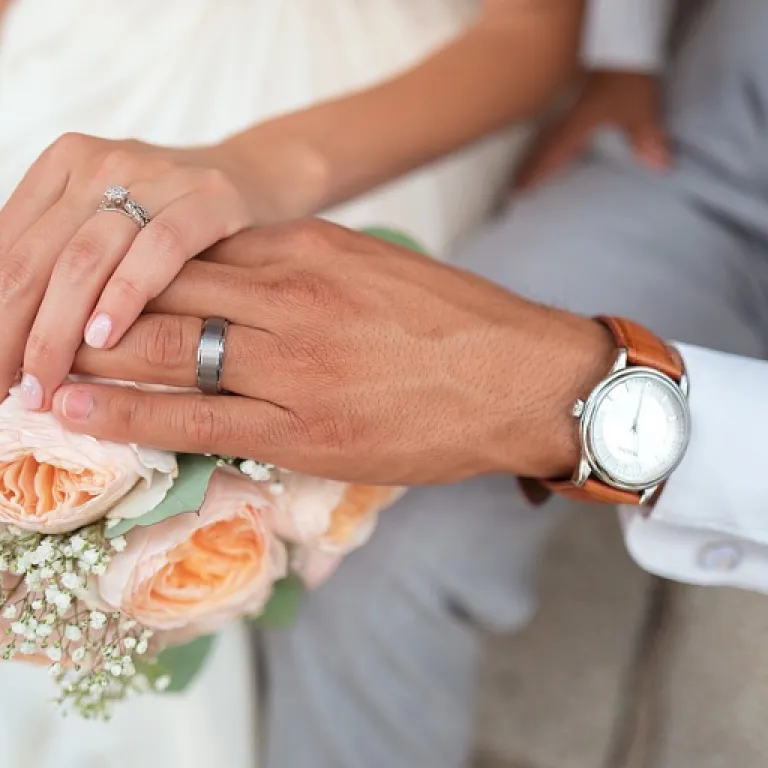
Why gold and platinum are suitable for making meaningful wedding jewellery
When couples ask why gold and platinum are suitable for making jewellery, they are really asking how to protect a lifelong symbol of love. These precious metals have served as the foundation of wedding rings and fine jewelry for thousands of years because they combine beauty, durability and emotional value in a way few other metals can match. For future married people, understanding how each metal behaves in daily life makes the question of which band to choose far less intimidating and more about personal priorities.
Pure gold is naturally soft, so jewellers create gold alloys by blending it with other metals such as copper, silver or palladium to improve durability. These carefully balanced gold alloys allow your rings, earrings and diamond jewellery to keep their shape, even when worn every day and exposed to knocks, temperature changes and hand washing. This is why 18 carat and 14 carat gold jewellery are often recommended for wedding bands, as they offer a refined colour with excellent long term strength and are easier to resize or repair than many alternative metals.
Platinum is different, because it is a naturally dense and durable metal that can be used at very high purity levels. A platinum ring usually contains around 95 percent platinum, which means the jewellery pure content is higher than in most gold alloys used for making jewellery. For couples who want a band that feels substantial on the finger and resists wear in the long term, platinum jewellery offers a reassuring weight and a naturally white tone that never needs colour reinforcement or rhodium plating to stay bright.
Many future spouses compare gold, platinum and silver when they start planning their rings. Sterling silver is beautiful and affordable, but this softer metal can scratch and tarnish more easily, which makes it less suitable for making a lifelong wedding band that will be worn every day. For a piece that must last for decades, gold, platinum and mixed gold colours are usually preferred over silver or stainless steel, because they better protect diamonds and other stones in the setting and can be adjusted as your finger size changes.
Another reason why gold and platinum are suitable for making jewellery is their resistance to corrosion and tarnish. Unlike base metals, these noble metals do not rust, and they maintain their colour and shine when properly cared for, which is essential for engagement rings and wedding bands that symbolise a promise. When you invest in gold jewellery or platinum jewellery for your ceremony, you are choosing metals that can be passed down as heirlooms, still beautiful after thousands of years of human use and cultural significance.
For couples with sensitive skin, the purity and stability of these metals matter even more. High purity platinum and carefully formulated gold alloys, especially in 18 carat white gold or rose gold, are usually well tolerated by most people, whereas some cheaper metal mixes or low quality plating can cause irritation. One London based jeweller notes that clients with long standing allergies “often settle on platinum or higher carat yellow gold because they can wear it all day without thinking about it”. If you know you have sensitive skin, ask your jeweller detailed questions about the exact metal composition, and consider platinum or higher carat pure gold blends for maximum comfort and peace of mind.
Gold varieties for wedding rings and how they compare to platinum
When you focus specifically on wedding rings, the choice between different gold varieties and platinum becomes a strategic decision about lifestyle, aesthetics and budget. Yellow gold, white gold and rose gold each bring a distinct personality to your rings, while platinum offers a cool, understated elegance that pairs beautifully with diamonds. Understanding how these metals age and how their durability differs will help you choose a band that still looks refined on your fiftieth anniversary and suits your daily routine.
Yellow gold is the classic choice, especially in 18 carat pure gold alloys that balance richness of colour with practical durability. These gold alloys are harder than pure gold at 24 carats, so they resist bending and scratching better, which is crucial for wedding rings that may be worn during work, sports or travel. If you are considering a thick gold band for your engagement ring or wedding ring, a detailed guide such as why choose a thick gold band engagement ring can help you match metal, width and lifestyle.
White gold is created by mixing gold with white metals such as palladium or nickel, then usually finishing the surface with rhodium plating. This rhodium layer gives white gold rings and earrings their bright white shine, similar to platinum, but over the long term the plating can wear and may need refreshing every few years. Couples who love the white look but want minimal maintenance often compare white gold with platinum jewellery, because platinum stays naturally white without relying on rhodium plating or frequent surface treatments.
Rose gold has become a favourite for romantic wedding rings, thanks to its warm pink tone created by blending gold with copper in the gold alloys. This metal flatters many skin tones and pairs beautifully with white diamonds, coloured diamonds and even with other metals in mixed metal ring designs. When you combine rose gold with platinum or white gold in a single ring, you create a subtle contrast that highlights the diamond and adds depth to the overall jewellery designs without sacrificing structural integrity.
Platinum stands apart because it is denser and more durable than most gold alloys, which makes it ideal for securing a central diamond in a solitaire setting. When platinum jewellery is scratched, the metal is displaced rather than lost, so the ring can often be polished back to a smooth finish without significant loss of material. A bench jeweller might describe platinum as “forgiving under the file”, meaning it can be adjusted and refined repeatedly while still holding its shape. For couples who want a band that feels solid and reassuring, platinum with gold accents, such as a platinum setting on a gold shank, can offer the best of both metals in a single design.
Some people ask whether stainless steel or sterling silver might be a better value for wedding rings, especially when budgets are tight. While these metals can be durable in their own way, they do not offer the same long term stability, prestige or ease of resizing as gold and platinum, and they may not hold diamonds as securely in delicate settings. When you consider why gold and platinum are suitable for making jewellery that marks a once in a lifetime commitment, the answer lies in their proven performance, their emotional resonance and their ability to age gracefully with your relationship.
How metal colour, diamonds and designs shape your bridal look
The colour of your metal has a powerful effect on how your engagement ring and wedding band look on your hand. White metals such as platinum and white gold create a cool, modern frame that makes colourless diamonds appear brighter, while yellow and rose gold add warmth and vintage charm to your jewellery. When you understand how each metal interacts with diamonds, gemstones and skin tone, you can build a bridal set that feels harmonious from your rings to your earrings and other accessories.
Platinum jewellery is naturally white, so it does not need rhodium plating to maintain its tone, which is one reason why platinum is so suitable for making jewellery with high quality diamonds. The white background of platinum or white gold enhances the icy brilliance of diamond jewellery, especially when the stones are graded in the higher colour ranges. If you are planning a full bridal suite with rings, earrings and perhaps a pendant, choosing one dominant white metal can create a cohesive, elegant look that photographs beautifully.
Yellow gold and rose gold bring a different kind of beauty, because their warm tones create a soft contrast with white diamonds and a rich harmony with coloured stones. Many brides choose rose gold engagement rings with a white diamond centre and a platinum or white gold halo, combining multiple metals to highlight the stone and add depth to the designs. When you coordinate your engagement ring with your wedding band and bridal earrings, guides such as choosing the perfect gold earrings for brides can help you balance metal colour, face shape and hairstyle.
For future married people with sensitive skin, the metal mix behind each colour matters as much as the appearance. Platinum is usually an excellent choice for sensitive skin, because it is used in very pure forms and rarely causes reactions, while some white gold alloys that contain nickel can be problematic for certain wearers. If you love the look of white gold but worry about allergies, ask for nickel free alloys and consider platinum for the parts of the jewellery that touch the skin most, such as the inner band or earring posts.
Diamonds themselves are incredibly durable, but they still rely on the surrounding metal for protection, especially in delicate pavé or micro pavé designs. Platinum and high quality gold alloys hold the tiny claws and beads that secure each diamond more reliably than softer metals such as sterling silver, which can deform over time. When you invest in diamond jewellery for your wedding, choosing robust metals for the settings is just as important as selecting the right stone size or cut, because the setting keeps the diamond safe.
Some couples like to mix metals intentionally, wearing a yellow gold wedding band next to a platinum engagement ring or stacking white, yellow and rose gold rings together. This mixed metal approach can be very effective when the designs share similar proportions and diamond accents, creating a curated, personal look rather than a random mix. The key is to think about the long term, ensuring that the metals you choose for making jewellery today will still feel like your style as your life together evolves and your jewellery collection grows.
Durability, daily wear and caring for gold and platinum rings
Wedding rings are exposed to more daily wear than almost any other piece of jewellery you will own. They encounter soap, hand sanitiser, temperature changes and occasional impacts, so the durability of the metal is not an abstract concept but a practical necessity. When you evaluate why gold and platinum are suitable for making jewellery, especially for rings, you are really assessing how these metals cope with real life and how easily they can be maintained.
Platinum is renowned for its durable nature, because its dense structure absorbs knocks without losing much metal, which is ideal for protecting diamonds in claw settings. Over time, platinum rings can develop a soft patina rather than sharp scratches, which many couples appreciate as a sign of shared years, although they can be polished back to a high shine if desired. This combination of strength and emotional character makes platinum jewellery particularly appealing for wedding bands that must last for the long term and still feel luxurious.
Gold, especially in 18 carat and 14 carat gold alloys, also offers excellent durability when used thoughtfully in ring designs. While pure gold is too soft for most everyday rings, these alloys blend gold with other metals to create a balance between hardness and workability, allowing jewellers to craft intricate designs without sacrificing strength. When you choose gold jewellery for your wedding, ask your jeweller how the specific alloy will behave in daily wear, and whether the design protects vulnerable areas such as claws and edges from unnecessary stress.
White gold requires a little more maintenance because of its rhodium plating, which gives the metal its bright white finish. Over several years of wear, especially on rings, this rhodium plating can thin on the underside of the band, revealing a slightly warmer tone from the underlying gold alloys, and many couples choose to have it refreshed periodically. This is not a flaw in the metal, but a normal aspect of making jewellery with white gold, and it is worth factoring into your long term care plans and maintenance budget.
By contrast, yellow gold and rose gold do not rely on rhodium plating, so their colour is consistent throughout the metal, even as the surface is polished or refinished. These metals may show scratches more visibly on high polish surfaces, but a professional polish can usually restore their shine without difficulty, especially when the designs are not overly thin. When you compare the maintenance of different metals, the question is not which one is perfect, but which combination of colour, durability and care routine best suits your lifestyle and expectations.
Daily habits also influence how your rings age, regardless of whether they are made from gold, platinum or silver. Removing your rings for heavy manual work, sports or exposure to harsh chemicals will protect both the metal and any diamonds or gemstones, and storing them separately from other jewellery reduces scratching. If you treat your rings as precious tools of memory rather than indestructible objects, both gold and platinum will reward you with decades of faithful service and a patina that reflects your shared story.
Comparing gold, platinum, silver and alternative metals for wedding jewellery
Many couples start their search by comparing gold, platinum and silver, then wonder whether alternative metals such as stainless steel might be a better value. Each metal has its place in the world of jewellery, but not every metal is equally suitable for making a wedding ring that must last a lifetime and remain easy to resize or repair. Understanding the strengths and limits of each option will help you make a confident, informed choice that balances sentiment and practicality.
Sterling silver is a beautiful and traditional metal for earrings, bracelets and occasional wear rings, but it is softer and more prone to tarnish than gold or platinum. For wedding rings that will be worn every day, silver may require more frequent polishing and can lose its crisp edges more quickly, especially in delicate designs with fine engraving. This is one reason why, when people ask why gold and platinum are suitable for making jewellery that marks major life events, jewellers often highlight their superior durability and stability.
Stainless steel and other industrial metals can be very durable and scratch resistant, and they are sometimes used for fashion rings or men’s bands. However, these metals are often difficult or impossible to resize, which can be a serious limitation over the long term, because finger sizes can change with age, temperature and life events. Gold and platinum, by contrast, can usually be resized, repaired and re polished by skilled jewellers, which makes them more adaptable to a lifetime of wear and evolving style.
Gold silver combinations, such as a gold bezel around a sterling silver band, can create interesting visual contrasts, but they also combine metals with different hardness and tarnish behaviours. Over time, the softer silver may wear faster than the gold, leading to uneven ageing that some couples may not appreciate in their wedding rings. For pieces that must remain balanced and structurally sound, many jewellers prefer to use gold alloys or platinum alone, or to mix different gold colours rather than mixing precious and base metals.
Platinum jewellery and high carat gold jewellery also hold diamonds and other gemstones more securely than many alternative metals, because they allow precise, fine settings that can be adjusted or repaired as needed. When you invest in diamond jewellery for your engagement or wedding, the metal is not just a frame but a functional support that must protect the stone from knocks and daily wear. This is another practical reason why gold and platinum are suitable for making jewellery that carries both financial and emotional value and can be cherished for generations.
For couples who love the look of white metal but want a more accessible price point, white gold offers a compelling middle ground between sterling silver and platinum. With proper rhodium plating and thoughtful designs, white gold rings can provide a bright, luxurious appearance and good durability, especially in 14 carat or 18 carat alloys. When you weigh all these factors, the question becomes less about finding the cheapest metal and more about choosing the metal that will honour your story over thousands of years of jewellery making tradition.
Design strategies: matching metals, stones and long term style
Choosing the right metal is only part of the journey, because the way gold and platinum are used in your designs will shape how your rings feel and age. A well balanced design respects the properties of each metal, placing platinum where maximum durability is needed and using gold where warmth, colour and intricate detailing are desired. When you align metal choice, diamond setting and lifestyle, you create wedding jewellery that feels both beautiful and reassuringly practical for everyday wear.
Many designers use platinum for the claws or bezels that hold the central diamond, even when the rest of the ring is crafted in yellow or rose gold. This platinum gold combination takes advantage of platinum’s durable grip on the stone while allowing the band to showcase the rich colour of gold alloys that complement your skin tone. For couples who want a white halo around a diamond but a warmer band, mixing platinum with yellow or rose gold can be an elegant, technically sound solution that also photographs well.
Stacking rings is another area where metal choice matters, because multiple bands rub against each other and can wear more quickly. When you plan to wear several rings together, such as an engagement ring, a wedding band and an eternity ring, using metals with similar hardness, like 18 carat gold and platinum, helps maintain even wear over the long term. If you mix very hard metals with much softer ones, such as stainless steel with high carat pure gold, the softer ring may show accelerated wear where the metals touch and may need more frequent maintenance.
For future married people who value subtlety, white metals such as platinum and white gold can create a refined backdrop that lets the diamond take centre stage. Those who prefer a more expressive style may choose rose gold or yellow gold with intricate engraving, milgrain edges or mixed metal inlays, using the metal itself as a decorative element. In both cases, the question to ask is how the designs will look not only on your wedding day but also after years of daily wear and changing trends.
Matching your rings with other pieces, such as earrings or a pendant, can also influence your metal choice. If you already own significant gold jewellery, choosing a wedding band in a similar gold colour can create a cohesive personal collection, while a shift to platinum jewellery might signal a new chapter in your style. When you coordinate metals thoughtfully, your entire jewellery wardrobe feels intentional, and each new piece, from rings to earrings, slots naturally into your life and existing outfits.
Finally, remember that making jewellery for a wedding is about more than technical specifications, even though metals, durability and designs matter greatly. The feel of platinum’s weight, the warmth of yellow gold or the romance of rose gold each tells a different story about your relationship and your shared aesthetic. One jeweller’s tip is to try on rings at the end of the day, when fingers are slightly larger, so you can focus on how the metal feels as well as how it looks and answer the question of why gold and platinum are suitable for making jewellery in the most personal way possible.
Planning your purchase: budget, value and ethical considerations
Once you understand the technical reasons why gold and platinum are suitable for making jewellery, the next step is to align those insights with your budget and values. Precious metals represent a significant investment, but they also offer long term value through durability, repairability and enduring desirability. For future married people, thinking about cost, ethics and practicality together leads to choices that feel good both emotionally and financially and stand the test of time.
Gold offers a wide range of price points because it is available in different carat levels and colours, from 14 carat white gold to 18 carat rose gold and beyond. Platinum is generally more expensive per gram and heavier, which can increase the overall cost of platinum jewellery, especially for wide bands or elaborate designs. When you compare quotes, ask your jeweller to explain how metal weight, purity and design complexity influence the final price, so you can see exactly what each option offers in return and avoid surprises.
Some jewellers promote special gold offers on certain collections or carat levels, which can make high quality gold jewellery more accessible without compromising on durability. When evaluating these offers, focus on the underlying metal quality, the craftsmanship of the designs and the aftercare services, rather than on discount percentages alone. A fairly priced ring in robust 18 carat gold or platinum, with clear information about resizing and maintenance, usually represents better long term value than a heavily discounted piece in a less suitable metal.
Ethical sourcing is another important dimension, as more couples want reassurance that their metals and diamonds have been mined and processed responsibly. Many reputable jewellers now offer recycled gold, recycled platinum and traceable diamonds, which reduce environmental impact while maintaining the same physical properties and durability as newly mined materials. When you ask questions about sourcing, you strengthen the trust between you and your jeweller, and you align your wedding rings with your broader values and long term commitments.
Design flexibility also affects value, because gold and platinum can be reworked, resized or redesigned as your tastes and circumstances evolve. A classic solitaire in platinum or yellow gold can later be enhanced with a diamond set band, or reset into a new style that reflects a different life stage, without wasting the original metal. Resources such as the guide on marquise engagement ring proportions show how thoughtful design choices can maximise both beauty and adaptability.
Ultimately, the most valuable ring is the one that balances metal quality, design integrity and emotional meaning within a budget you both find comfortable. By choosing gold or platinum, or a considered combination of both, you are investing in metals that have proved their worth in jewellery pure form over thousands of years of human history. That continuity of trust is one of the deepest answers to the question of why gold and platinum are suitable for making jewellery that celebrates a lifelong commitment.
Key figures about gold, platinum and wedding jewellery
| Topic | Key figure | Source |
|---|---|---|
| Share of gold used for jewellery | Jewellery accounts for around half of annual global gold demand | World Gold Council, Gold Demand Trends 2023 (worldgoldcouncil.com) |
| Typical purity of platinum jewellery | Platinum used in jewellery is typically around 95 percent pure | Platinum Guild International, Jewellery Standards (pgiglobal.com) |
| Typical purity of 18 carat gold | 18 carat gold contains about 75 percent pure gold | International hallmarking guidelines |
| Diamond security in platinum prongs | Laboratory testing shows platinum prongs tend to retain diamonds more securely over time than many softer metal alloys | Gemological Institute of America research notes (gia.edu) |
| Preference for white metals in bridal jewellery | A significant proportion of couples choose white metals, including white gold and platinum, for engagement rings | Consumer research from major bridal jewellery retailers |
FAQ about gold, platinum and wedding rings
Why are gold and platinum preferred over silver for wedding rings ?
Gold and platinum are preferred over silver for wedding rings because they are more durable, less prone to tarnish and better at holding diamonds securely in fine settings. Sterling silver is beautiful but softer and more reactive, which can lead to faster wear and more maintenance when worn every day. For a ring that must last a lifetime, gold alloys and platinum offer a more reliable balance of strength, beauty and practicality.
Is platinum always better than gold for engagement rings ?
Platinum is not always better than gold, but it is often better for certain designs, especially those with delicate claws or many small diamonds. Platinum’s density and purity make it very durable and suitable for securing stones, while gold offers more colour options and can be more affordable. The best choice depends on your preferred look, budget and how much maintenance you are comfortable with over time.
Which gold carat is best for everyday wedding bands ?
For everyday wedding bands, 18 carat and 14 carat gold are usually recommended because they balance purity with durability. Higher carat gold, such as 22 carat, is richer in colour but softer, which can make it more prone to bending or scratching in daily wear. Discuss your lifestyle with your jeweller so they can suggest the most appropriate gold alloys and carat levels for your specific needs.
Will white gold turn yellow over time ?
White gold itself does not turn yellow, but the rhodium plating that gives it a bright white finish can wear away, revealing the slightly warmer tone of the underlying alloy. This is normal and can be corrected by having the ring re plated with rhodium every few years, depending on wear. If you prefer a white metal that does not rely on plating, platinum is a strong alternative.
Is platinum better for people with sensitive skin ?
Platinum is often an excellent choice for people with sensitive skin because it is used in very pure forms and is naturally hypoallergenic for most wearers. Some white gold alloys contain nickel, which can cause reactions in sensitive individuals, although nickel free alloys are available. If you have a history of metal allergies, discuss platinum and high purity gold options with your jeweller to find the safest and most comfortable solution.