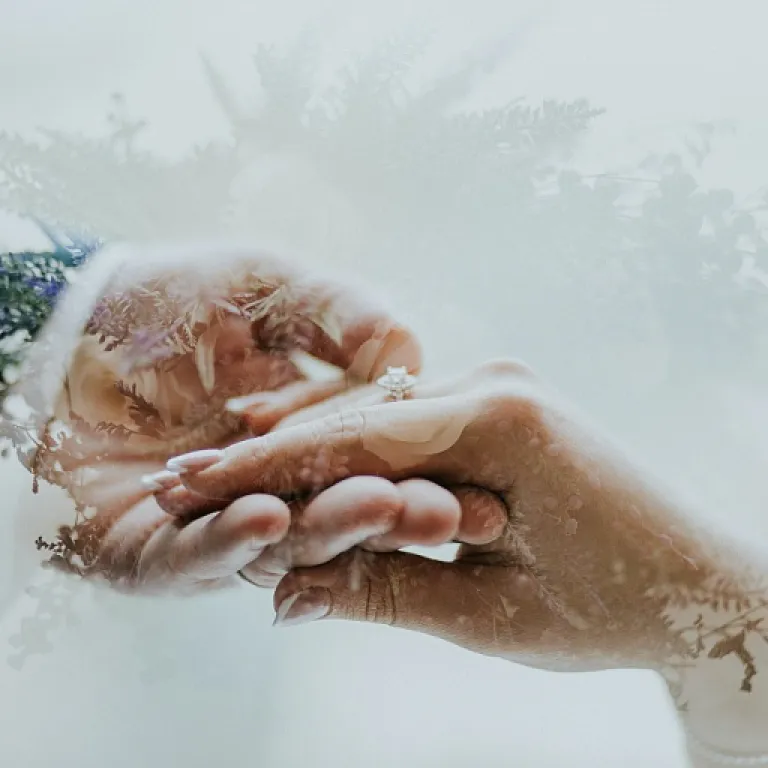
Why couples fall in love with the oval lab grown diamond engagement ring
An oval lab grown diamond engagement ring blends romance with modern ethics. This elongated outline flatters the finger beautifully and makes the diamond center stone appear larger than its actual carat weight. Many future spouses appreciate that a lab created diamond from a controlled facility offers traceable origins and refined, consistent quality.
When you compare an oval cut to a round brilliant, you often gain more visible surface area for the same carat, which is ideal if you want presence without overshooting your budget. This means an oval lab grown diamond ring can deliver impressive sparkle and a generous face up size while keeping the overall price more accessible than a similar natural diamond. Couples who value both aesthetics and responsibility often choose lab grown stones because they reduce the environmental impact associated with traditional mining.
The soft curves of an oval diamond center stone create a graceful, vintage inspired feel that still looks contemporary. Whether you choose a solitaire engagement ring or a halo design, the elongated shape draws the eye along the finger and pairs beautifully with many wedding bands. Because the oval cut hides minor inclusions well, you can often prioritize carat over ultra high clarity and still enjoy a bright, clean looking lab diamond.
How oval shape, cut quality, and carat work together
The magic of an oval lab grown diamond engagement ring lies in the balance between shape, cut, and carat. A well executed oval cut maximizes brilliance while minimizing the dark bow tie effect that sometimes appears across the center of poorly cut ovals. When you review grading reports, focus on proportions such as length to width ratio, depth percentage, and table size rather than only chasing the highest carat number.
Most couples prefer an oval ratio between about 1.30 and 1.45, which gives a pleasing, elongated silhouette without looking too narrow. Within this range, a 1.00 carat lab grown diamond can appear similar in size to a 1.20 carat round, which helps you allocate more of your budget to a higher cut grade or a more refined metal such as platinum or 18 carat gold. If you are considering carat weights above 1.50, pay close attention to how the stone faces up on your hand, because larger oval diamonds can exaggerate any bow tie or windowing issues.
Cut quality also affects how color appears in both white gold and yellow gold settings. A bright, well cut lab diamond will reflect more light and can look whiter, which means you may comfortably choose a slightly lower color grade and invest the savings into a more intricate hidden halo or a more substantial wedding band. Always view several engagement rings side by side under different lighting, because the same carat weight and color grade can look surprisingly different depending on the exact oval cut proportions.
- Target length–width ratio: roughly 1.30–1.45 for a balanced oval.
- Focus on: cut quality first, then carat, then color and clarity.
- Check in person: bow tie visibility, light return, and face up size.
Choosing the right metal color for your oval lab grown diamond engagement ring
The metal you choose for your engagement ring frame will dramatically influence the overall look of your oval lab grown diamond engagement ring. White gold offers a cool, modern backdrop that emphasizes the icy brightness of a lab diamond, while yellow gold creates a warm, romantic contrast that highlights the elongated outline. Rose gold sits between these extremes, lending a soft blush tone that flatters many skin tones and gives lab created stones a vintage inspired charm.
When you compare white gold and yellow gold, think about how you wear other jewelry and what will coordinate with your future wedding band. If your everyday pieces are mostly silver toned, a white gold alloy such as 18 carat white gold will blend seamlessly and can make your oval cut center stone appear slightly whiter. If you love classic warmth, a rich yellow gold setting can make even a near colorless lab grown diamond look richer and more characterful.
Some couples choose mixed metal designs that combine white gold prongs with a yellow gold or rose gold shank, which can subtly frame the oval center stone while keeping the band warm. This type of combination is especially effective when you want the diamond focus to remain crisp and bright but still enjoy the traditional feel of yellow tones on your hand. Whatever metal you select, ensure the alloy is robust enough for daily wear, especially if you plan to stack multiple rings on the same finger.
How metal choice affects style, maintenance, and price
Beyond color, each metal type carries different practical implications for your engagement rings. White gold is usually plated with rhodium to enhance its bright finish, which means you may need occasional replating to maintain that mirror like look over many years of wedding wear. Yellow gold and rose gold do not require plating, so their maintenance often involves simple polishing and checking prongs rather than surface treatments.
Price varies with both carat purity and metal type, so a 14 carat white gold setting will typically cost less than an 18 carat yellow gold or rose gold equivalent. Many couples pair a more affordable gold alloy with a higher quality lab grown diamond, striking a smart balance between long term durability and immediate visual impact. If you prefer a cooler palette but want lower maintenance, consider a design where only the prongs are white gold while the rest of the ring is yellow gold, which reduces the visible wear on the rhodium plating.
Mixed metal engagement rings also give you flexibility when choosing future anniversary bands or colorful wedding rings, such as luminous citrine or topaz designs that you might explore through a dedicated guide to citrine and topaz wedding rings for couples who love luminous color. By planning your metal choices thoughtfully now, you ensure that your oval lab grown diamond engagement ring will coordinate beautifully with any future stacking rings. This long term view helps your jewelry collection grow harmoniously as your relationship evolves.
Halo, hidden halo, and solitaire: which style suits your oval lab grown diamond
Style decisions shape how your oval lab grown diamond engagement ring feels on the hand and in photographs. A classic solitaire engagement ring places the focus entirely on the oval center stone, emphasizing its cut and carat without distraction. This minimalist approach works especially well when you have invested in a high quality lab diamond with excellent symmetry and polish.
A halo design surrounds the central oval with a ring of smaller diamonds, which visually increases the size of the engagement ring and adds extra sparkle. Because lab grown accent stones are more affordable than natural ones, you can often create a generous halo without dramatically increasing the overall price of the ring. For many couples, this style offers a glamorous yet still refined look that photographs beautifully from every angle.
The hidden halo trend adds a discreet circle of diamonds beneath the main stone, visible mainly from the side profile rather than from above. This hidden detail gives your oval center stone a subtle crown of light and can make the ring feel more intricate without overwhelming the top view. If you prefer a clean silhouette but still want something special, a hidden halo under an oval cut lab diamond balances simplicity with secret luxury.
Matching style to lifestyle and wedding band choices
Your daily routine should guide whether you choose a solitaire, halo, or hidden halo design for your oval lab grown diamond engagement ring. If you work frequently with your hands or wear gloves, a lower profile solitaire or a modest halo may be more practical than a very tall setting. An oval cut diamond can still look impressive in a slim, secure bezel or semi bezel, which protects the edges while keeping the ring comfortable.
Think ahead to how your engagement ring will sit beside your wedding band, because some halo designs can create small gaps between the rings. Many jewelers now offer contoured or notched wedding bands that nestle perfectly around a halo or hidden halo setting, preserving a smooth, cohesive look. When shopping online, use detailed photos and videos, and consult resources on how to evaluate a diamond you cannot touch when shopping online so you can judge proportions accurately.
If you love stacking multiple rings, consider a slimmer band on your engagement ring so there is room for future anniversary or eternity bands. A delicate white or rose gold shank with a refined oval lab center stone can be easier to pair with additional rings than a very wide, ornate band. Planning for versatility now ensures your engagement ring remains the centerpiece of a harmonious, evolving wedding set.
Comparing lab grown and natural diamonds for oval engagement rings
Choosing between a lab grown diamond and a natural diamond is one of the most significant decisions for your oval engagement ring. Lab created stones share the same crystal structure, hardness, and optical properties as natural diamonds, which means your oval lab grown diamond engagement ring will perform similarly in everyday wear. The main differences lie in origin, price, and perceived rarity rather than in how the diamond looks on your finger.
Because lab grown diamonds are created in controlled conditions, they usually cost significantly less per carat than comparable natural stones, especially in popular shapes like the oval cut. This price advantage allows many couples to choose a larger carat weight, a higher color grade, or a more intricate halo setting without exceeding their budget. For example, you might select a 1.50 carat lab diamond in white gold for the same budget that would only cover a 1.00 carat natural diamond in a similar metal and style.
Some people value the geological history and rarity of natural diamonds, while others prioritize the transparency and reduced environmental impact of lab grown options. Both choices can be beautiful and durable for wedding jewelry, so the right answer depends on your values and how you plan to allocate your budget. Whatever you choose, pay attention to grading reports and consider learning about topics such as fluorescence through specialized resources on diamond fluorescence and how it can affect value.
Resale value, ethics, and long term perspective
Resale value is often raised when comparing lab grown and natural diamonds for engagement rings. In practice, most couples rarely resell their engagement ring, so the emotional value usually outweighs any theoretical resale price. Natural diamonds may retain a higher percentage of their original price on the secondary market, but both types typically sell for less than retail if resold.
From an ethical standpoint, lab grown diamonds avoid many of the social and environmental concerns associated with some mining operations, although responsible natural diamond producers now follow strict certification and traceability standards. If sustainability is central to your relationship values, a lab created oval diamond set in recycled gold can be a powerful symbol of your shared priorities. On the other hand, if you cherish the idea of a stone formed over geological time, a carefully sourced natural oval diamond engagement ring may resonate more deeply.
Whatever path you choose, insist on transparent documentation, including grading reports from reputable laboratories and clear information about the metal alloy used. This documentation supports the long term integrity of your wedding jewelry and helps future generations understand the story behind your ring. A thoughtful, informed decision now ensures that your oval lab or natural diamond engagement ring will remain a cherished heirloom for decades.
Optimizing budget: carat, color, clarity, and price strategies
Smart budgeting allows you to maximize beauty without compromising financial comfort when choosing an oval lab grown diamond engagement ring. Because lab grown stones generally cost less than natural diamonds, you can often prioritize carat and cut while making balanced choices on color and clarity. The elongated oval cut also helps a slightly smaller carat appear larger, which gives you extra flexibility.
For many couples, a lab diamond in the near colorless range set in white gold or white prongs offers excellent value, especially when the cut is strong. In yellow gold or rose gold settings, you can often choose a slightly warmer color grade because the metal itself adds warmth and masks minor tint. This approach lets you allocate more of your budget to a higher carat weight or to design details such as a hidden halo or diamond set band.
Clarity can also be optimized, because the faceting of an oval cut often hides small inclusions near the edges. By choosing a lab diamond with eye clean clarity rather than a technically flawless grade, you avoid paying for characteristics you will not notice in daily wear. Always review magnified images or videos and ask your jeweler to point out any inclusions so you can judge whether they are acceptable for your engagement ring.
- Color sweet spot: near colorless grades for white metals; slightly warmer for yellow or rose gold.
- Clarity goal: eye clean rather than flawless on paper.
- Budget tip: invest first in cut, then carat, then fine tune color and clarity.
Balancing design complexity and long term value
Design complexity influences both initial price and long term maintenance for engagement rings. A simple solitaire in yellow gold or white gold will usually cost less than an elaborate halo design with multiple rows of pavé stones, even when the center carat is the same. However, a well executed halo or hidden halo can make a modest lab grown center stone look significantly larger, which may justify the extra cost for some couples.
Consider how your ring will age over decades of wedding wear, because intricate pavé bands may require more frequent repairs than smooth metal shanks. If you want both sparkle and durability, you might choose a robust gold band with diamonds only on the top half, leaving the underside solid for strength. This type of design balances visual impact with practicality, especially if you plan to wear your oval lab grown diamond engagement ring every day.
Finally, remember that sentimental value often grows faster than market value, so prioritize a design that feels deeply personal. Whether you choose warm yellow tones, rose gold romance, or a crisp white gold setting, the combination of oval lab grown diamond, metal color, and thoughtful detailing will tell your unique story. When your budget aligns with your aesthetics and values, the price you pay becomes part of a joyful, long lasting memory.
Coordinating your oval lab grown diamond engagement ring with wedding bands
Planning how your engagement ring will pair with your wedding band ensures a cohesive, comfortable set. The elongated shape of an oval lab grown diamond engagement ring creates a distinctive silhouette that can be beautifully framed by straight or curved bands. When you choose your engagement ring, visualize how one or even two wedding rings might sit alongside it.
Straight bands in yellow gold, white gold, or rose gold work well with many solitaire and hidden halo designs, especially when the center stone is raised slightly. For more elaborate halo settings, a contoured or notched band that follows the curve of the oval can prevent gaps and spinning. Some couples choose mixed metal stacks, such as a white gold engagement ring flanked by thin yellow gold and rose gold bands, to create a layered, modern look.
If you plan to wear multiple rings daily, consider the total width of the stack and how it feels between your fingers. A delicate white or yellow gold engagement ring with a slim shank leaves more room for future anniversary bands without feeling bulky. Trying on different combinations in person, or using accurate ring stack visualizers online, helps you understand how your oval center stone will interact with various band styles.
Symbolism, engraving, and long term comfort
Your wedding band choices can express symbolism that complements the story of your engagement ring. Some couples select a plain metal band in yellow gold or rose gold to represent stability, paired with a more intricate lab diamond engagement ring that symbolizes the sparkle of their shared life. Others choose eternity bands with lab grown diamond accents that echo the oval cut center stone, reinforcing the theme of endless commitment.
Engraving inside the band adds a private layer of meaning without affecting the external design of your rings. Whether you engrave a date, initials, or a short phrase, ensure the metal thickness is sufficient to accommodate the inscription without weakening the structure. Over time, regular professional cleaning and occasional polishing will keep both your engagement ring and wedding bands comfortable and radiant.
By considering comfort, symbolism, and aesthetics together, you create a wedding set that feels harmonious from every angle. The interplay between your oval lab grown diamond engagement ring, your chosen metal colors, and your carefully selected bands will reflect the balance you cultivate in your relationship. This thoughtful coordination turns individual pieces of jewelry into a unified, meaningful ensemble you will cherish every day.
Key statistics about oval lab grown diamond engagement rings
- Market research from Bain & Company indicates that lab grown diamonds have reached roughly 10% of the global diamond jewelry market by value, with a higher share in engagement rings where budget conscious couples are more open to lab created stones.[1]
- Data from the Gemological Institute of America suggests that an oval cut diamond can appear up to about 10–15% larger face up than a round diamond of the same carat weight, which helps couples maximize visual impact without increasing carat size.[2]
- Industry pricing analyses report that lab grown diamonds typically cost around 40–70% less than comparable natural diamonds of the same carat, color, and clarity, allowing many buyers to upgrade either carat or cut quality within the same budget.[3]
- Surveys of engaged couples by The Knot have found that white gold remains the most popular metal for engagement rings, followed by yellow gold and rose gold, although mixed metal stacks are steadily gaining popularity among younger buyers.[4]
- Durability testing confirms that both lab grown and natural diamonds score 10 on the Mohs hardness scale, meaning an oval lab grown diamond engagement ring is equally suitable for daily wear as a ring set with a natural diamond.[5]
Example in practice: A couple with a mid range budget might choose a 1.30 carat oval lab grown diamond, near colorless and eye clean, set in a hidden halo white gold setting for roughly the price of a 0.80–0.90 carat natural oval in a simpler solitaire. The result is a larger look, intricate detail, and a ring that still aligns with their financial comfort.
FAQ about oval lab grown diamond engagement rings
Are lab grown oval diamonds as durable as natural diamonds for engagement rings?
Lab grown oval diamonds have the same crystal structure and hardness as natural diamonds, so they are equally durable for daily wear. Both types score 10 on the Mohs hardness scale, which is the highest rating for scratch resistance. As long as the setting is well made and prongs are checked periodically, an oval lab grown diamond engagement ring will withstand everyday use.
How much can I save by choosing a lab grown oval diamond instead of natural?
Price differences vary by carat, color, and clarity, but lab grown diamonds often cost about 40–70% less than comparable natural stones. This saving allows many couples to choose a larger carat weight, a higher cut grade, or a more intricate halo design without exceeding their budget. Always compare specific stones side by side, because discounts can be greater for larger carat sizes and popular shapes like the oval cut.
Which metal color works best with an oval lab grown diamond engagement ring?
White gold emphasizes brightness and a modern look, while yellow gold adds warmth and a classic feel, and rose gold offers a romantic, vintage inspired tone. The best choice depends on your skin tone, existing jewelry, and whether you prefer a cool or warm palette. Many couples also choose mixed metal designs, such as a white gold head on a yellow gold band, to balance contrast and versatility.
Does an oval cut really look bigger than other shapes at the same carat?
An oval cut often appears larger than a round diamond of the same carat because its elongated shape spreads more surface area across the finger. This visual effect can make a 1.00 carat oval look similar in size to a 1.10–1.20 carat round when viewed from above. For couples seeking presence without a big jump in price, an oval lab grown diamond engagement ring is a strategic choice.
Is a halo or hidden halo setting better for an oval lab grown diamond?
A traditional halo adds maximum sparkle and makes the center stone look larger, which is ideal if you want a glamorous, eye catching engagement ring. A hidden halo keeps the top view cleaner while adding subtle detail in the side profile, suiting those who prefer understated elegance. The right option depends on your personal style, lifestyle, and how you plan to pair the engagement ring with your wedding band.
Sources: [1] Bain & Company, Global Diamond Industry Reports; [2] Gemological Institute of America (GIA) education materials on diamond cuts and face up appearance; [3] Industry pricing summaries from major diamond retailers and trade publications; [4] The Knot Jewelry & Engagement Study; [5] GIA reference data on diamond hardness and durability.