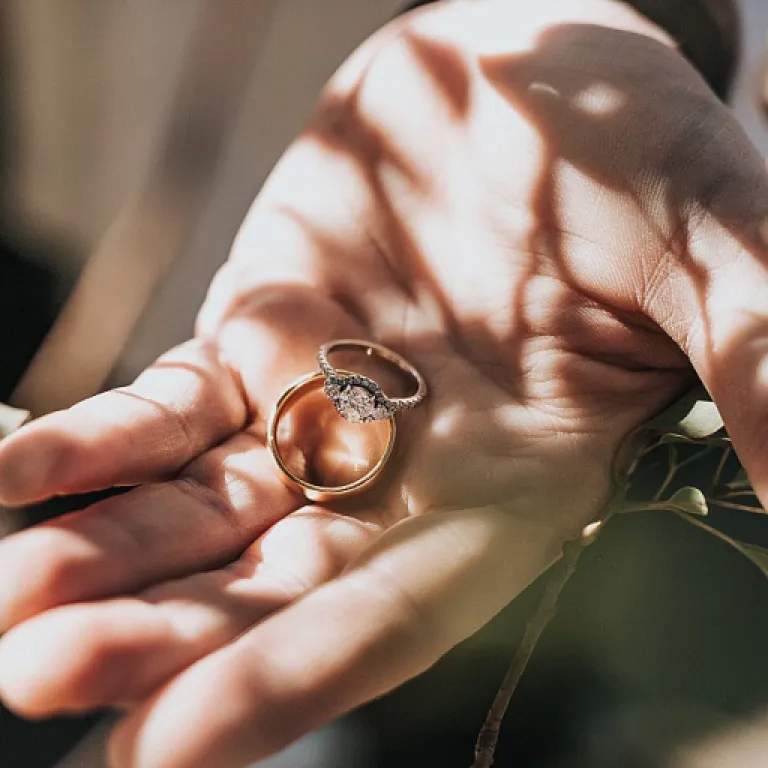
Why your wedding ring deserves a dedicated gem box ritual
Your wedding ring stones stay brighter for longer when you treat their storage as a daily gem box ritual. A dedicated ring box creates a protective micro environment, much like a carefully chosen spot in a well planned garden. Think of this ritual as emotional insurance for your marriage symbols, where every time you open the box you renew your view of the commitment you share.
Many couples underestimate how much friction, dust and cosmetics can erode the image of clarity in a diamond or colored gem. Just as a hedge loses its rich foliage when exposed to harsh, drying winds, a ring stone loses brilliance when it rubs against other jewelry in a crowded box. By assigning one well drained, softly lined compartment in your gem box to each ring, you prevent micro scratches that slowly dull the surface of the gem or gems over the years.
Choose a gem box with a firm exterior shell, padded interior and individual slots that fit the exact height spread of your bands. The interior should be as gentle on metal as moist but well drained soil is on the roots of inkberry holly (Ilex glabra) or other native North American shrubs that resist deer and remain non invasive. When you add this simple habit to your evening routine, you create a calm moment together, placing your rings side by side in their box like two compact evergreen shrubs planted in harmony for long term winter interest.
Daily stone maintenance inside and outside the gem box
Daily care for your wedding ring stones starts before they ever return to the gem box at night. Wipe each gem gently with a soft, lint free cloth to remove skin oils, just as a gardener might clear dust from the dark green leaves of inkberry or other holly shrubs to restore their natural shine. This quick step keeps the surface clean so that when you place the ring back in its box, no residue hardens into a stubborn film.
For rings with diamonds, sapphires or rubies, a mild soap solution once a week is usually a great balance between cleanliness and safety. Mix about one or two drops of gentle dish soap in a small bowl of lukewarm water (roughly one cup), soak the ring for 10–15 minutes, then brush lightly with a soft toothbrush. Treat the stones as you would treat delicate inkberry plants in a well drained bed, avoiding harsh chemicals that could burn foliage or roots and instead using gentle methods that respect the native character of the gem. After rinsing, pat the ring dry completely before you add it back to the gem box, because trapped moisture can affect certain settings and reduce long term foliage interest like standing water harms alternative boxwood shrubs in gardening beds.
Colored stones such as emeralds, opals and pearls need extra care, and they should never soak for long periods or sit in strong detergents. Limit contact with water to a brief dip and a quick, careful wipe, and avoid ultrasonic cleaners unless a jeweler confirms they are safe for your specific piece. If you are unsure about your specific gem or gems, consult a professional jeweler and then create a written care note that you keep inside the lid of your gem box for easy reference. For more detailed guidance on precious gemstone care and preserving your wedding ring’s timeless sparkle, you can read this in depth guide on professional gemstone maintenance for wedding rings, then adapt the advice into your own daily and weekly rituals.
Protecting stones from light, heat and household hazards
Light and heat shape the life of a garden, and they also influence how your wedding ring stones age inside or outside the gem box. Some gems tolerate full sun for many sun hours, while others fade or dry out when exposed to strong light or high temperatures for too long. Think of your ring as a living native plant that thrives when you respect its natural habitat rather than forcing it into harsh, artificial conditions.
Diamonds and sapphires handle bright light well, but many organic or treated stones are more like inkberry holly shrubs that prefer a balance of sun and shade. When you leave rings on a windowsill in direct sun, you risk gradual color changes, just as the green leaves of Ilex glabra can scorch if planted in a spot with too many intense sun hours and poorly drained soil. Store your gem box in a cool, dry drawer instead, away from radiators, hairdryers and kitchen heat, so the stones and metal do not expand and contract repeatedly.
Household chemicals are another hidden threat, especially bleach, chlorine and strong cleaning sprays that can etch or cloud certain gems. Remove your rings before swimming, cleaning or gardening, and place them straight into the gem box rather than into a random bowl where they can knock against each other like invasive shrubs crowding a small bed. If you wear cubic zirconia as a center or accent stone, be aware that its surface can show wear faster than many natural gems, so review guidance on whether cubic zirconia in wedding rings loses its shine over time and then adjust your storage and cleaning habits accordingly.
Designing a storage space as carefully as a native garden
The way you design your storage space for wedding rings should feel as intentional as planning a native North American garden with inkberry, boxwood and other shrubs. Start by choosing a gem box that matches your lifestyle, whether you need a compact travel box for small spaces or a larger chest with multiple trays for several rings and heirloom gems. Aim for a layout where each ring has its own slot, so the metal and stones never rub like invasive plants competing for limited soil and light.
Inside the gem box, use soft, non abrasive materials that cradle the rings the way well drained soil supports the roots of inkberry shrubs and alternative boxwood hedges. Velvet or microfiber interiors work well, and you can add thin dividers if your bands are very slim, preventing them from tilting and stressing the settings. Pay attention to the height spread of each ring, because tall solitaires need deeper slots than low eternity bands, just as taller holly shrubs require more vertical space and sun hours than ground hugging plants.
Placement of the box in your home matters too, both for security and for stone health. Choose a location away from direct sun where temperature stays stable, similar to how gardeners find a sheltered corner for Ilex glabra or compact boxwood to maintain winter interest and interest in fall without wind damage. When you open the box each evening, take a brief moment to inspect the image of each gem under soft light, checking for looseness or chips so that small issues never grow into serious problems.
Cleaning routines that respect both metal and gem character
A thoughtful cleaning routine keeps your wedding ring stones bright while also preserving the metal and any engraving that gives the band its unique character. Treat each ring as you would treat a prized plant in gardening, adjusting your approach according to whether the metal is platinum, gold or a mixed alloy, and whether the stones are diamonds, colored gems or organic materials. The goal is to find a rhythm that fits your life, much like planning watering schedules for shrubs that resist deer and still provide strong foliage interest.
For most durable stones, a soft toothbrush, mild soap and lukewarm water once a week is a great baseline. Imagine you are gently rinsing dust from the dark green leaves of inkberry or other evergreen shrubs, taking care not to damage the surface while restoring clarity and shine. After cleaning, rinse thoroughly, pat dry and allow the ring to air dry fully before you add it back to the gem box, because trapped moisture can behave like poorly drained soil around Ilex roots, slowly undermining long term stability.
Schedule a professional cleaning and inspection at least once a year, especially if your ring has a high setting or many small accent gems. A jeweler can find worn prongs or micro fractures that you might miss in your daily view, just as an experienced gardener spots early signs of stress in native plants before they become invasive problems. Between professional visits, you can follow these expert tips for keeping your wedding ring sparkling at home, then adapt the advice to your own gem box routine so that care becomes a shared habit rather than an occasional chore.
Travel, lifestyle and long term preservation of ring stones
Life after the wedding often brings travel, sports and busy routines, so your gem box strategy must adapt to protect stones in motion as well as at home. Invest in a small travel box with secure padding and individual slots, mirroring the way proven winners varieties of inkberry or boxwood are selected for resilience when moved between nurseries and gardens. Look for a compact case roughly the size of a wallet, with a firm shell, zipper closure and ring rolls or tiny compartments that keep each band from shifting. This portable box should fit easily into a hotel safe or a discreet pocket of your luggage, keeping rings away from hard surfaces and accidental knocks.
If you lead an active lifestyle, agree as a couple on clear rules about when rings stay on and when they rest safely in the gem box. Activities like weightlifting, rock climbing or intensive gardening can stress settings and chip gems, just as planting delicate shrubs in exposed, windy sites can damage their green leaves and reduce winter interest. When in doubt, remove the rings, place them in their box and store that box in a secure, cool place, treating it with the same respect you would give to rare native North American plants that need protection from trampling.
Over the decades, your rings will accumulate stories, and careful stone maintenance ensures those stories remain visible in every facet. Regular cleaning, mindful storage and prompt repairs work together like good soil, balanced sun hours and thoughtful plant selection in a well planned garden that never becomes invasive or neglected. By treating your gem box as both a practical tool and a symbolic home for your rings, you create a daily ritual that honors the dark green promise of commitment, season after season, with enduring foliage interest and emotional depth.
Key figures on wedding ring stone care and longevity
- Professional jewelers commonly advise that routine inspections at least once a year significantly reduce the risk of stone loss, because worn prongs and loose settings are identified before a gem falls out.
- Industry guidance on diamond jewelry care notes that abrasive household cleaners can cause visible surface wear with repeated exposure, while mild soap and water cleaning preserves polish for many years.
- Insurance data summaries from major jewelry insurers indicate that a substantial share of claims for engagement and wedding rings involve damaged or lost center stones, often linked to impacts during sports, travel or household tasks.
- Research on ultraviolet exposure shows that some treated gemstones can experience noticeable color fading after prolonged direct sunlight, which supports the recommendation to store rings in a closed box away from windows.
- Consumer surveys in the jewelry sector consistently find that couples who follow a structured cleaning and storage routine, including the use of a dedicated gem box, report higher satisfaction with the appearance of their rings over time compared with those who rely on occasional, unplanned care.
FAQ: caring for wedding ring stones with a gem box
How often should I clean the stones in my wedding ring ?
Most diamond and sapphire rings benefit from a gentle cleaning once a week with mild soap, lukewarm water and a soft brush. Softer or treated gems may need less frequent cleaning, so always follow the jeweler’s advice for your specific stones. After each cleaning, dry the ring thoroughly before placing it back in the gem box.
Where should I keep my gem box at home ?
Store your gem box in a cool, dry place away from direct sunlight and heat sources such as radiators or bathroom steam. A bedroom drawer or wardrobe shelf often works well, especially if it can be locked for extra security. Avoid windowsills or bathrooms, where temperature and humidity fluctuate more dramatically.
Is it safe to keep multiple rings together in one box ?
It is safe to keep several rings in one gem box as long as each ring has its own padded compartment. Stones and metals should never touch, because friction can cause scratches and chips over time. Choose a box with individual slots or add soft dividers to separate each piece.
Should I wear my wedding ring during sports or manual work ?
High impact sports, weightlifting, rock climbing and heavy manual work can stress settings and chip stones, so it is usually safer to remove your ring. Place it directly into your gem box rather than a pocket or loose bag, where it could be lost or damaged. For low impact activities, ask your jeweler whether your specific setting and stones are robust enough for regular wear.
How often should a jeweler inspect my ring stones ?
A professional inspection once a year is a good minimum for most couples, especially if the ring has a high setting or many small accent stones. If you notice any movement, rattling or changes in the way light reflects from the gem, schedule an immediate check. Regular inspections, combined with careful storage in a gem box, greatly reduce the risk of losing a stone.
