Pre trip insurance and the non negotiable travel ring care checklist
Your travel ring care checklist starts long before you pack a single outfit. Before any summer travel, pull out your policy and check exactly how your ring and other jewelry are covered abroad. In many U.S. homeowner and renter policies, unscheduled jewelry is typically limited to around 1 000 to 2 000 dollars for theft or loss, based on common coverage summaries from major insurers, which is far below the value of most engagement rings or a diamond ring set with a grown diamond or a natural stone.
Confirm whether your insurer covers loss, theft, and mysterious disappearance during international travel, and ask whether your engagement ring and wedding band are protected in hotel rooms, cruise cabins, and checked luggage. You also need to know the reporting deadline, because some policies require you to report a lost ring or wedding jewelry within 24 to 48 hours to remain fully covered. Add those deadlines, claim phone numbers, and policy numbers to a printed checklist that you keep in your travel documents, not only on your phone, and note whether your policy is primary jewelry coverage or an add on rider.
While you are reviewing coverage, photograph your rings, any matching wedding bands, and other travel jewelry like diamond studs or simple yellow gold hoops from multiple angles. Those photos, plus appraisals for each diamond ring or lab grown alternative, will make any future claim faster and less stressful. A simple example claim timeline might look like this; within 24 hours you notify hotel security and local police, within 48 hours you contact your insurer with photos and receipts, and within a week you submit any formal claim forms and written statements they request.
For quick reference before you leave, build a short pre trip ring care checklist that fits on a single page you can print or save offline:
- Verify jewelry coverage limits, deductibles, and international protections in your policy.
- Confirm reporting windows for loss or theft and save claim contact details in two places.
- Photograph every engagement ring, wedding band, and travel jewelry piece with clear close ups.
- Store printed copies of appraisals and receipts with your travel documents, not just digitally.
Hotel safes, airport security, and how to actually keep your ring safe
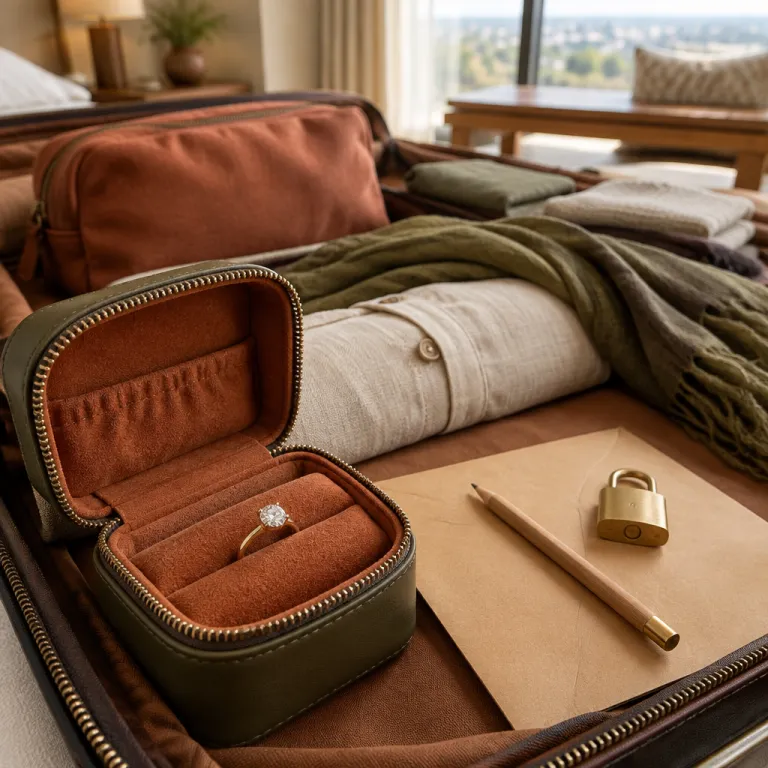
Most couples assume a hotel safe is the best place for rings, but those in room boxes are often opened with a master code or key card that staff can access quickly. For higher value jewelry, ask whether the front desk offers a main vault or safety deposit style box, and request a written receipt when you leave your engagement rings or wedding bands there. If that is not available, a small personal travel friendly jewelry case with a locking zipper that you keep on your body is usually safer than a flimsy safe bolted to particleboard, especially in busy resorts or cruise ports.
At the airport, your travel ring care checklist should say one thing in bold letters about TSA screening; keep your ring on. According to Transportation Security Administration guidance, metal detectors and body scanners are designed to handle a diamond ring, a low profile solitaire, or a stack of yellow gold and white gold bands without any issue, and you avoid the risk of leaving your jewelry in a plastic tray. If an agent asks you to remove your ring, request a private screening room so you can keep eyes and hands on your engagement ring and wedding jewelry at all times, and place any additional pieces in a small pouch inside your carry on instead of loose in a bin.
When you pack jewelry for flights, never put rings or studs in checked luggage, because airline liability for lost bags is low compared with the value of an engagement ring. Instead, pack jewelry in a structured jewelry case with separate slots for each ring, and keep that case in your personal item under the seat in front of you. That way you can reach your travel jewelry quickly if you want to wear engagement pieces on landing, but you are not flashing a diamond at every security checkpoint or rummaging through overhead bins where items can spill or be forgotten.
Beach, pool, and summer sweat protocols for wear and tear
Salt water, sunscreen, and hotel pools are where beautiful settings go to die, or at least to loosen prongs and cloud stones. Your travel ring care checklist for beach days should start with a simple rule; if you would not be heartbroken to lose it in the sand, you can wear it into the waves. That usually means leaving your main engagement ring and wedding band in a safe place and swapping in a simple low profile band that hugs the finger and will not snag on towels or swimwear, ideally one that fits slightly snugger to account for cold water shrinkage.
Chlorine in pools can weaken some gold alloys over time, especially in delicate pavé settings where tiny prongs hold many small diamonds. If you plan to swim laps or play beach volleyball, remove your diamond ring, studs, and any other wedding jewelry at the hotel and lock them in your chosen safe or vault. For quick dips or resort pool lounging, a silicone travel friendly band or a plain yellow gold or white gold wedding band with no stones is usually the best compromise between symbolism and safety, and it also avoids scratching softer stones like morganite or opal.
When you do wear engagement rings in hot weather, sweat and sunscreen will build up under the stone and around the settings, making even a high quality grown diamond look dull. Pack a tiny soft toothbrush, a leak proof travel bottle of mild dish soap, and a microfiber cloth in your pack jewelry kit so you can clean your ring in the sink at night. For more detailed at home routines that keep your ring bright long after your wedding day, bookmark a dedicated care guide such as this essential guide to keeping your wedding ring immaculate and a deeper resource like the eternity rings care deep dive for newlyweds, and follow any jeweler specific cleaning instructions noted on your purchase documents.
The travel band strategy and what to do if the worst happens
For many couples, the smartest move on a summer cruise or backpacking trip is to leave the main engagement ring at home and travel with a decoy or travel band. A slim low profile white gold or yellow gold band, or even a lab grown diamond ring with a modest carat weight, lets you wear engagement symbolism without putting your most sentimental piece at risk. Some pairs even choose matching travel friendly wedding bands that they only wear on the road, keeping their original wedding bands and wedding jewelry for home and special events where they feel more in control of the environment.
If you do bring the real ring, your travel ring care checklist should include a written plan for emergencies, because cruise ships and resorts are among the top ring loss locations worldwide. If a ring slips off in water or goes missing from a room, stop everything, retrace your steps, and notify hotel security, the cruise purser, or local police immediately, then file a written report. Contact your insurer as soon as possible, follow their care engagement and claim instructions precisely, and send them your photos, appraisals, and any receipts for the ring and related jewelry travel purchases, keeping copies of every email, form, and reference number in a single folder.
When you return home, schedule a professional inspection of your engagement rings and wedding bands to check for loose settings, bent prongs, or worn gold alloys after the trip. A bench jeweler can tighten stones, polish out micro scratches, and advise whether your current ring design is truly compatible with how you wear engagement jewelry during active travel. The goal is simple; your ring should fit your life, not the other way around, because the real luxury is not the certificate but how it catches light on a Tuesday morning, long after the honeymoon photos are filed away.
FAQ
Should I travel with my original engagement ring or a simpler band
If you are heading to crowded cities, beaches, or cruise ships, a simple low profile wedding band or travel band is usually safer than your original engagement ring. You still keep the symbolism of being engaged or married, but you reduce the risk of losing a high value diamond ring in water or in transit. Many couples reserve their main engagement rings and matching wedding bands for home, and use a dedicated travel friendly set for vacations where they expect more swimming, hiking, or public transit.
Is it safe to put my rings in a hotel room safe
In room hotel safes are better than leaving rings on a nightstand, but they are not as secure as most people think. Staff often have master codes or keys, and the safe itself may be bolted to weak furniture, so high value jewelry is still vulnerable. When possible, use the main hotel vault or a front desk safety box and ask for a written receipt for your engagement ring and other wedding jewelry, and photograph the receipt so you have a backup copy.
Can I wear my engagement ring through airport security
Yes, you can usually keep your engagement ring and wedding band on during airport security screening. Body scanners and metal detectors are designed to handle small metal items, and a diamond ring rarely triggers extra screening under current TSA procedures. If an agent insists that you remove your jewelry, request a private room so you can keep your ring safe and in sight, and place any additional pieces in a small zip pouch inside your carry on rather than loose in a tray.
How should I pack jewelry for flights and long trips
Use a structured jewelry case with separate slots for each ring, pair of studs, and necklace, and place it in your personal item rather than checked luggage. Soft pouches alone let pieces rub together, which can scratch gold alloys and chip delicate settings over time. A good travel ring care checklist also includes photographing your pieces before you pack jewelry, in case you need to file an insurance claim later and show what each engagement ring or wedding band looked like before the trip.
What should I do immediately if I lose my ring while traveling
Act quickly, because fast reporting improves both recovery chances and insurance outcomes. Retrace your steps, alert hotel or cruise staff, file a local police report if appropriate, and then contact your insurer within the reporting window stated in your policy. Provide photos, appraisals, and purchase documents for the lost ring and any related jewelry, and follow every step of their care engagement and claim process in writing, noting dates, times, and the names of every representative you speak with.