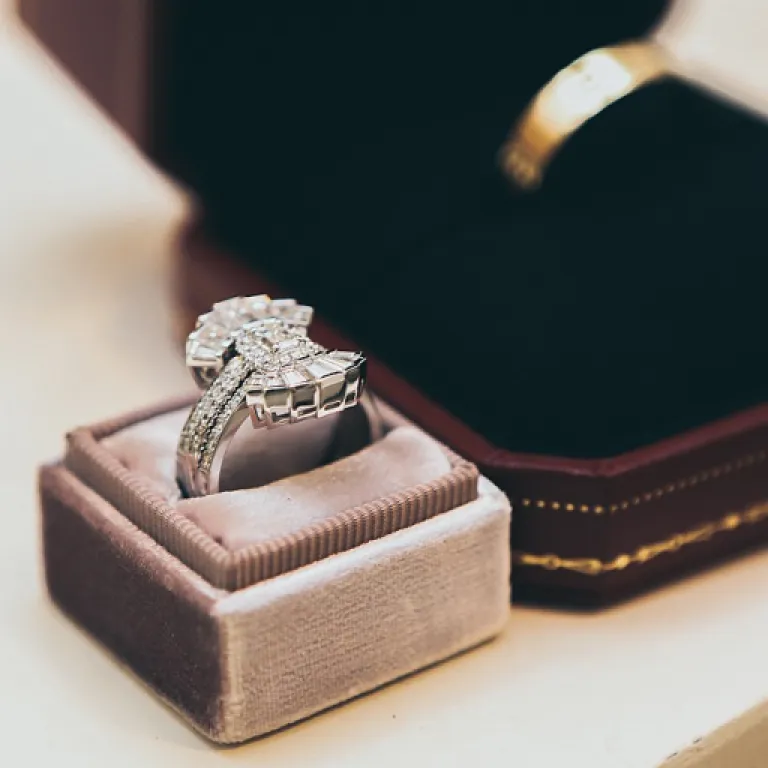
Understanding the symbolism of diamonds and sapphires in wedding bands
The Meaning Behind Diamond and Sapphire Wedding Bands
When you choose a wedding band, you are not just picking a piece of jewelry. The stones you select—whether diamond, sapphire, or a combination—carry deep symbolism that can add even more meaning to your special day. Diamonds are often associated with everlasting love and strength. Their clarity and brilliance make them a classic choice for wedding rings, representing a bond that is unbreakable and pure. Sapphires, especially blue sapphire, are linked to loyalty, wisdom, and sincerity. These qualities make sapphire wedding bands a popular choice for couples who want their rings to reflect trust and commitment.
How Diamonds and Sapphires Influence Style and Value
The combination of diamond and sapphire in a wedding band offers a unique view on tradition and personal style. While diamonds are known for their high brilliance and are often set in white gold or yellow gold, sapphires add a pop of color and individuality. The price of a wedding band can vary depending on the stone shape, the quality of the stones, and the type of gold used—white, yellow, or even rose gold. High price items typically feature larger or higher quality stones, while price low options might use smaller stones or alternative settings. The choice between a gold wedding band or a white gold band can also affect both the look and the price of your ring.
- Diamond bands: Timeless, high brilliance, associated with enduring love
- Sapphire bands: Unique, colorful, symbolize loyalty and wisdom
- Diamond sapphire bands: Combine tradition with a personal touch
For those interested in exploring unique designs, diamond cluster rings are a stunning choice for your wedding and can offer a different perspective on how to set sapphire and diamond stones together.
Choosing What Matters Most to You
Whether you prefer a classic white gold wedding band with a single diamond or a bold sapphire diamond combination in yellow gold, your choice should reflect your personal story. Details like the stone shape, the type of gold, and the way the stones are set can all be customized to match your engagement ring or to create a set that is uniquely yours. Remember, the value of your wedding ring is not just in the price but in the meaning and memories it holds.
Popular styles for diamond and sapphire wedding bands
Classic and Contemporary Band Designs
When it comes to wedding rings, diamond and sapphire bands offer a wide range of styles to suit every taste. Classic designs often feature a single row of diamonds or blue sapphires set in white gold, yellow gold, or rose gold. These timeless bands are associated with elegance and tradition, making them a popular choice for couples who value a refined look. For those seeking a modern view, contemporary bands may include mixed stone shapes, alternating diamond sapphire patterns, or unique settings that highlight the brilliance of each stone.
Metal Choices and Their Impact
The metal you choose for your wedding band can dramatically affect the overall appearance and price. White gold wedding bands are favored for their sleek, high-shine finish that complements both diamonds and sapphires. Yellow gold bands bring a warm, classic touch, while rose gold offers a romantic and trendy alternative. The price of each item will vary depending on the metal type, with platinum and high-carat gold typically commanding a higher price. When comparing prices, consider how the metal color will enhance the stones and match your engagement ring.
Stone Arrangements and Settings
Popular styles for diamond and sapphire wedding bands include channel set, pavé, and prong settings. Channel set sapphire wedding bands provide a secure, smooth finish, ideal for daily wear. Pavé bands feature small stones set close together, creating a sparkling effect across the entire ring. Prong settings allow each stone to stand out, maximizing light reflection and brilliance. The arrangement of stones—whether you prefer a full eternity band, half-eternity, or a simple accent—can also influence the overall look and price low or high.
Mixing Stones for a Unique Look
Combining diamonds with blue sapphires in your wedding band creates a striking contrast that stands out. Some bands alternate between diamond and sapphire, while others set sapphire as the central stone with diamonds as accents. This mix not only adds visual interest but also allows you to personalize your wedding ring to reflect your style. For more inspiration on unique gemstone bands, you might find this article on why choose cubic zirconia wedding bands helpful for comparing different stone options and prices.
Price Range and Customization Options
| Band Style | Metal | Stone Arrangement | Price Range (Low - High) |
|---|---|---|---|
| Classic Eternity | White Gold | Full Diamond/Sapphire | $1,000 - $5,000 |
| Half-Eternity | Yellow Gold | Alternating Stones | $800 - $3,500 |
| Modern Pavé | Rose Gold | Close-Set Diamonds | $1,200 - $4,000 |
| Custom Design | Any | Set Sapphire/Diamond | Prices Vary |
Whether you prefer a high price, high-detail band or a simple, elegant style at a price low, there is a wedding band to match your vision. Remember to consider how your chosen style will complement your engagement ring and reflect your personal taste.
Choosing the right setting for your stones
Finding the Ideal Setting for Your Stones
When selecting a diamond and sapphire wedding band, the setting is just as important as the stones themselves. The setting not only secures your gems but also influences the overall view, style, and comfort of your wedding ring. With so many options available, it's helpful to understand how different settings can highlight the unique qualities of both diamonds and sapphires.
- Prong Setting: This classic choice uses small metal claws to hold each stone in place, allowing maximum light to pass through the diamond or sapphire. Prong settings are popular for those who want their stones to sparkle and stand out, especially in white gold or yellow gold bands.
- Channel Setting: Stones are set closely together between two strips of metal, creating a sleek, modern look. This setting is often chosen for wedding bands with multiple small diamonds and sapphires, offering both security and a smooth surface.
- Pavé Setting: Tiny diamonds or sapphires are set closely together with minimal metal showing. This creates a high-impact, sparkling effect and is often associated with high price bands due to the labor involved.
- Bezel Setting: The stone is surrounded by a rim of metal, offering excellent protection. This is a great option for those with active lifestyles or who want a low-maintenance wedding ring.
- Bar Setting: Stones are held in place by vertical metal bars, leaving the sides of the stones exposed. This style is modern and works well for both diamond and sapphire wedding bands.
The choice of metal—white gold, yellow gold, or rose gold—also affects the overall appearance and price of your wedding band. White gold bands tend to highlight the brilliance of diamonds, while yellow gold offers a classic, warm look that pairs beautifully with blue sapphires. Rose gold is a romantic choice that complements both stones, especially in vintage-inspired designs.
When considering the setting, think about how it will match your engagement ring. Some prefer a close match in style and metal, while others enjoy mixing metals or stone shapes for a unique look. If you’re interested in exploring more about stone shapes and how they influence your ring’s design, check out this guide to choosing the perfect marquise diamond.
| Setting Type | Best For | Price Range | Stone Security |
|---|---|---|---|
| Prong | Maximum sparkle, classic view | Low - High | Good, but check prongs regularly |
| Channel | Multiple stones, smooth finish | Medium - High | Very secure |
| Pavé | High sparkle, delicate look | High | Secure, but stones may loosen over time |
| Bezel | Active lifestyles, modern style | Medium - High | Very secure |
| Bar | Contemporary, unique bands | Medium - High | Secure |
Remember, the right setting will not only enhance the beauty of your diamond sapphire or sapphire diamond band but also ensure your stones stay secure for years to come. Take time to review the details of each item, compare prices from low to high, and choose a wedding band that fits your style and lifestyle.
How to match your wedding band with your engagement ring
Tips for Creating a Cohesive Look
Matching your wedding band with your engagement ring is an important step in achieving a harmonious and elegant look. The combination of diamond and sapphire wedding bands with engagement rings offers a unique opportunity to express your style while maintaining a sense of unity.- Metal Choice: Consider whether your engagement ring is white gold, yellow gold, or rose gold. Matching the metal color between your wedding band and engagement ring creates a seamless view. For example, a white gold wedding band with a white gold engagement ring gives a classic, unified appearance, while mixing metals can add a modern touch.
- Stone Shape and Setting: The shape of the stones—whether round, oval, or princess—should complement each other. If your engagement ring features a round diamond, a band with round sapphires or diamonds can enhance the overall look. Pay attention to the setting style, such as prong, channel, or bezel, to ensure both rings sit comfortably together.
- Band Width and Profile: A high or low profile band can affect how the rings stack. If your engagement ring is delicate, a slim wedding band may be best. For a bold look, a wider sapphire diamond band can make a statement. Try on different widths to see what feels comfortable and looks balanced.
- Color Coordination: Blue sapphire wedding bands pair beautifully with both white and yellow gold engagement rings. If your engagement ring has colored stones, consider how the hues will look together. A sapphire wedding band can add a pop of color, while a classic diamond band keeps the look timeless.
- Price and Quality: Prices for wedding bands can vary from low to high depending on the quality of the stones and the metal. Consider your budget and compare price low to price high options. High price items often feature higher quality diamonds or sapphires, but there are beautiful bands available at every price point.
Practical Considerations When Pairing Rings
- Fit and Comfort: Make sure both rings fit well together on your finger. Some engagement rings require a curved or contoured wedding band to sit close without gaps.
- Daily Wear: Think about your lifestyle. If you use your hands a lot, a low profile band with securely set sapphires or diamonds may be more practical.
- Personalization: Customizing your wedding band with engraving or unique stone arrangements can make your set truly personal. Details like milgrain edges or mixed stone shapes add character to your rings.
Ultimately, the best match is one that reflects your style and feels right for you. Take your time to view different bands, compare details, and try on combinations. Whether you choose a classic diamond band, a vibrant sapphire wedding ring, or a mix of both, your rings will symbolize your unique love story for years to come.
Caring for your diamond and sapphire wedding band
Keeping Your Diamond and Sapphire Wedding Band Sparkling
Proper care is essential to maintain the beauty and value of your diamond and sapphire wedding band. Whether you’ve chosen white gold, yellow gold, or rose gold, each metal and stone combination requires attention to detail. Here’s how to keep your wedding ring looking its best for years to come:
- Regular Cleaning: Dirt and oils can dull the shine of both diamonds and sapphires. Clean your band gently with warm water, mild soap, and a soft brush. Avoid harsh chemicals, especially if your ring features a set sapphire or intricate stone shape.
- Safe Storage: When not wearing your wedding band, store it in a soft pouch or a separate compartment in your jewelry box. This prevents scratches, especially if you have multiple wedding rings or bands close together.
- Professional Inspections: Schedule regular check-ups with a jeweler to ensure your stones are secure and the setting is intact. This is particularly important for high value items like sapphire diamond bands or those with a high price tag.
- Avoiding Damage: Remove your ring during activities that could expose it to harsh impacts or chemicals, such as gardening, cleaning, or swimming. This helps preserve both the band and the stones, whether your ring is crafted from white gold, yellow gold, or features a blue sapphire.
- Mind the Metal: Gold wedding bands, especially those in white or yellow gold, can develop scratches over time. Regular polishing by a professional can restore their shine and keep the band looking new.
Understanding How Care Impacts Value
The price of wedding bands can vary from low to high depending on the quality of the stones, the type of gold, and the craftsmanship. Proper care not only keeps your wedding band beautiful but also helps maintain its value over time. Details such as the stone shape, the way the sapphire is set, and the overall design can all influence the price low or high. By caring for your ring, you protect your investment and the sentimental value associated with your special item.
Tips for Everyday Wear
- Remove your wedding ring before applying lotions or perfumes to prevent residue buildup on the stones and metal.
- Check your band regularly for loose stones or signs of wear, especially if you have a sapphire wedding band with multiple stones.
- If you have a matching engagement ring, consider cleaning both together to keep your set looking cohesive and bright.
Whether you’ve chosen a classic diamond sapphire band, a modern white gold wedding ring, or a unique sapphire wedding band, thoughtful care will ensure your ring remains a cherished symbol of your wedding day.
Customizing your wedding band for a personal touch
Personalizing Your Wedding Band: Options and Inspiration
Customizing your diamond and sapphire wedding band is a wonderful way to make your ring truly unique. Whether you want to highlight a special moment, reflect your style, or simply stand out, there are many ways to add a personal touch.- Stone Shape and Arrangement: The shape of your diamond or blue sapphire can dramatically change the look of your band. Round, oval, or princess-cut stones each offer a different view and feel. You can set sapphires and diamonds in alternating patterns, or cluster them for a bold effect.
- Metal Choices: The metal you choose—white gold, yellow gold, or rose gold—will influence the overall style. White gold wedding bands offer a modern, sleek look, while yellow gold brings warmth and a classic touch. Rose gold is associated with romance and uniqueness. The metal can also affect the price, with high price points often linked to platinum or high-carat gold.
- Engraving: Adding a special date, phrase, or symbol inside your band is a subtle way to personalize your wedding ring. This detail is close to your heart and can make the item even more meaningful.
- Custom Settings: Work with a jeweler to design a setting that fits your vision. You might want a low or high setting for your stones, or a unique band shape that matches your engagement ring. Custom settings can also help you match your wedding band with existing jewelry.
- Mixing Stones: Some couples choose to combine diamonds with sapphires in their wedding bands. A sapphire diamond band can symbolize both loyalty and everlasting love. You can also select the ratio of stones to suit your taste and budget, as prices vary depending on the type and size of each stone.
| Customization Option | Details | Price Range (Low - High) |
|---|---|---|
| Stone Shape | Round, oval, princess, emerald, etc. | Price low to price high, depending on cut |
| Metal Type | White gold, yellow gold, rose gold, platinum | Gold wedding bands: low high; Platinum: high |
| Engraving | Personal messages, dates, symbols | Low |
| Stone Setting | Prong, bezel, channel, pave | Vary by complexity |
| Stone Mix | Diamond, sapphire, or both | Prices vary by stone quality |
