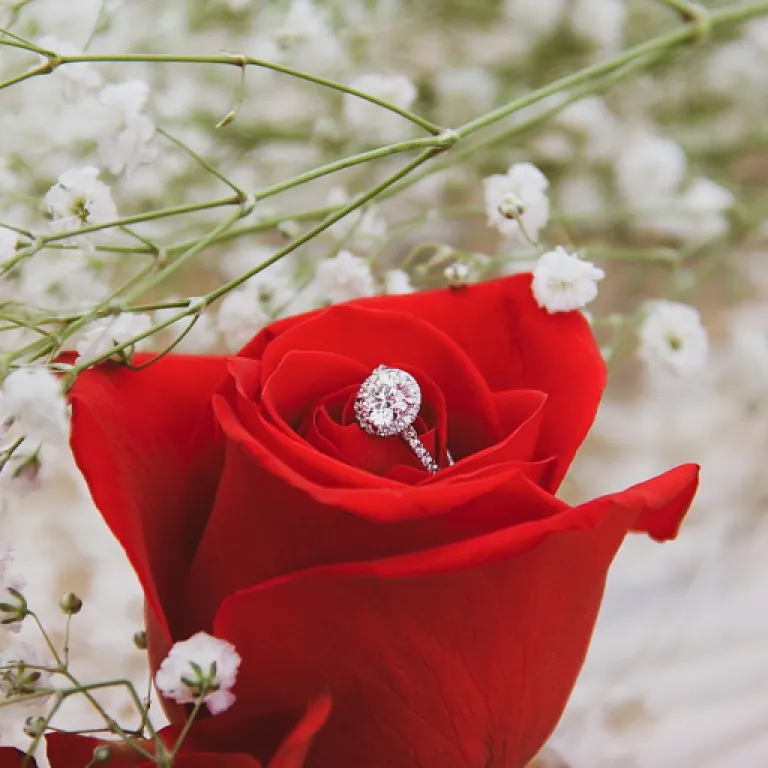
Understanding how much a 2 carat lab grown diamond really costs
A 2 carat lab grown diamond for an engagement ring usually costs between 1 500 € and 7 000 €, depending on its cut, color, and clarity. The same 2 carat weight in a natural diamond can reach several times that price, because natural diamonds remain rarer in the global market and carry a different perception of prestige. When you ask how much is a 2 carat lab grown diamond, you are really asking how to balance emotion, budget, and long term value for your ring.
To compare any diamond price fairly, you must look beyond the headline carat number and examine the full set of quality factors that jewelers call the 4Cs. Carat weight tells you how much carat mass the stone carries, but the cut color and clarity grades decide whether that stone looks dull or brilliantly alive on your finger. Two lab grown diamonds with the same carat weight can show dramatically different prices if one has excellent cut and high color clarity while the other has lower grades across the board.
Lab grown diamonds are created in a controlled lab environment, yet each stone still varies in color, clarity, and cut precision. Because of this, diamond prices for lab grown stones form a wide spectrum, and a detailed price chart from a trusted jeweler helps you understand where a specific stone sits. When you compare diamonds price ranges, always check whether the listed diamond price refers to a single price per carat figure or to the total price for the full 2 carat weight stone.
| Example 2 ct lab grown diamond | Grades (GIA/IGI style) | Approx. price range |
|---|---|---|
| Round brilliant | F color, VS1 clarity, Excellent cut | 4 500 € – 7 000 € |
| Oval shape | G color, VS2 clarity, Very Good cut | 3 000 € – 4 500 € |
| Round brilliant | H color, SI1 clarity, Very Good cut | 1 500 € – 3 000 € |
How lab grown and natural diamonds differ in price and perception
For many future married couples, the first big decision is whether to choose a lab grown diamond or a natural diamond for the engagement ring. A 2 carat lab grown stone usually offers a much higher quality of cut color and clarity for the same budget that would only buy a smaller natural diamond. This price difference allows you to prioritize either a larger size or a higher grade, depending on how much carat presence you want on the hand.
Natural diamonds formed over millions of years, so natural diamonds still command a premium in the high end market, especially in larger carat weight categories. Lab grown stones, by contrast, can be produced more efficiently, which lowers the average diamonds price and makes excellent cut grades more accessible. When you compare lab grown diamonds with similar natural diamonds, you often see a discount of 40 to 70 percent on the final diamond prices for lab options, a range that aligns with figures reported by major grading laboratories and trade price lists such as Rapaport.
Perception also matters, because some families still associate a natural diamond with tradition while others value the modern and often more sustainable story of a lab grown stone. Many couples now choose lab grown engagement rings because they can afford a 2 carat lab stone with excellent color clarity instead of compromising on a smaller natural diamond. When you evaluate how much is a 2 carat lab grown diamond, remember that emotional meaning, ethical preferences, and long term wear all play roles beyond the raw price chart.
How the 4Cs shape the price of a 2 carat lab grown diamond
Carat weight is the first number most couples notice, yet it is only one of the 4Cs that define a diamond. A 2 carat lab grown diamond with a poor cut can look smaller and less bright than a 1.5 carat stone with an excellent cut grade. When you ask how much is a 2 carat lab grown diamond, you must also ask how well that stone transforms light into sparkle.
Cut quality controls how the stone handles light, and jewelers often recommend prioritizing excellent cut over slightly higher color or clarity. In a round diamond, the length width ratio is fixed, but in fancy shapes like ovals or emerald cuts, the length width proportions influence both beauty and perceived size. A lab grown diamond with ideal proportions and high symmetry can appear larger on the finger, which means you may not need as much carat weight to achieve the visual impact you want.
Color and clarity grades also influence diamond price, but they do so in a more subtle way than carat weight. For lab diamonds in the 2 carat range, many couples choose near colorless grades and eye clean clarity to keep the price per carat figure fair without sacrificing visible beauty. When comparing lab grown diamonds and natural diamonds, remember that a small step down in color clarity can reduce diamond prices significantly while remaining visually stunning in a well designed ring.
How color, clarity, and fluorescence affect value
Color describes how white or tinted a diamond appears, and in both lab grown and natural diamonds, the scale runs from colorless to noticeable warmth. In the 2 carat lab category, moving from a colorless grade to a near colorless grade can lower the diamond price without a major change in appearance, especially once the stone is set in an engagement ring. Clarity measures how many internal or external features the stone carries, and most couples aim for a grade where inclusions are not visible to the naked eye.
Fluorescence, which is the way some diamonds react to ultraviolet light, can also influence diamond prices in both lab grown and natural stones. A moderate level of fluorescence sometimes lowers the listed prices, yet it can make a slightly warmer color appear whiter in daylight, which is a useful nuance when you study any detailed price chart. If you want to go deeper into this topic, you can read a dedicated guide on how diamond fluorescence can save you money while still giving you a beautiful stone.
When you evaluate how much is a 2 carat lab grown diamond, ask your jeweler to show you several stones side by side with different combinations of color clarity and fluorescence. This comparison helps you see where your own eyes stop noticing improvements, which is usually where the price per carat curve becomes less fair for your budget. Both lab diamonds and natural diamonds follow the same grading principles, so once you understand these factors, you can compare lab grown diamonds and natural diamonds with confidence.
Diamond cuts and shapes that flatter a 2 carat lab grown stone
Cut shape plays a central role in how a 2 carat lab grown diamond looks in a wedding ring. Round brilliant cuts remain the most popular choice for engagement rings because their excellent cut proportions maximize sparkle and hide minor clarity features. However, fancy shapes like oval, pear, and emerald cut stones can make the same carat weight appear larger due to their different length width ratios.
For couples who want a refined and elongated look, an oval lab grown diamond in the 2 carat range often stretches gracefully along the finger. Because of the longer length width profile, an oval stone can seem visually bigger than a round diamond of the same carat weight, which can be a smart way to optimize diamond price. When you compare diamonds price options, ask to see how each shape looks in a simple solitaire engagement ring to judge presence rather than numbers alone.
Emerald cut and other step cut diamonds emphasize clarity and color more than pure sparkle, so they reward higher grades in those areas. A 2 carat lab emerald cut with high color clarity and an excellent cut can look like a hall of mirrors, especially in a sleek platinum ring. If you are exploring ethical alternatives for your wedding set, you might also appreciate how lab grown emerald stones can complement a diamond center, as explained in this guide on ethical lab grown emeralds for wedding rings.
Balancing size, cut, and budget for future married couples
When planning an engagement ring, many couples start with a target carat weight, such as 2 carats, then adjust cut and shape to fit their budget. Because lab diamonds cost less per carat than comparable natural diamonds, you can often afford an excellent cut grade without pushing the overall price into uncomfortable territory. This flexibility means you can choose a lab grown diamond shape that flatters your partner’s hand rather than compromising purely for cost reasons.
Some couples prefer to reduce the carat weight slightly, for example from 2 carats to 1.8 carats, and invest the savings into a higher cut color and clarity combination. Others keep the full 2 carat lab target but select a fancy shape with a more favorable length width ratio to maximize finger coverage. Either way, the question how much is a 2 carat lab grown diamond becomes less stressful when you understand how each design choice shifts both the visual effect and the final diamond price.
If you are coordinating your wedding jewelry, consider how your engagement ring will pair with other pieces like earrings or a wedding band. A well chosen 2 carat lab grown center stone can echo the style of statement pieces, such as those described in this article on 4 carat diamond stud earrings and wedding style. Thinking about the full set helps you decide whether you want a single bold diamond or a more delicate ring that leaves room for future anniversary jewels.
Comparing lab grown and natural diamond markets for engagement rings
The market for lab grown diamonds has expanded rapidly, giving future married couples more choices and more transparent prices. In many jewelry stores, you now see side by side displays of natural diamonds and lab diamonds, each with detailed grading reports and clear diamond prices. This visibility makes it easier to answer how much is a 2 carat lab grown diamond compared with a similar natural diamond.
In the high end segment, natural diamonds still dominate, especially for rare colors and very large carat weight stones. However, for classic white engagement rings in the 1 to 3 carat range, lab grown diamonds now represent a significant share of sales because they offer a fair balance between quality and price. Many jewelers report that couples who initially plan to buy a smaller natural diamond often switch to a 2 carat lab option once they see the difference in sparkle per euro.
Price behavior also differs between natural markets and lab grown markets. Natural diamond prices are influenced by mining costs, global demand, and long term supply constraints, while lab diamonds respond more quickly to technological improvements and production capacity. When you study any price chart for a 2 carat lab grown diamond, you may notice that the price per carat figures have become more competitive over time, which benefits couples planning an engagement ring today.
How jewelers set fair prices for 2 carat lab grown stones
Reputable jewelers use structured pricing models that consider carat weight, cut color, clarity, and market demand for each shape. For a 2 carat lab grown diamond, they start with a base diamonds price per carat, then adjust for specific quality grades and any premium features like excellent cut or rare color. This method ensures that two stones with similar characteristics carry similar diamond prices, whether they are lab grown or natural.
To judge whether a price is fair, ask your jeweler to show you several lab grown diamonds and natural diamonds with comparable grades and to explain any differences in the diamond price. A transparent professional will walk you through the price chart logic, including how much carat weight, cut quality, and color clarity each contribute to the final figure. If a jeweler cannot explain why one 2 carat lab stone costs significantly more than another with similar grades, consider that a warning sign.
For future married couples, trust is as important as technical details when choosing an engagement ring. Look for jewelers who provide independent grading reports, clear return policies, and education about both lab diamonds and natural diamonds rather than pushing only one category. When you feel informed and respected, you can decide how much is a 2 carat lab grown diamond worth to you personally, beyond the numbers on the receipt.
Designing a wedding ring around a 2 carat lab grown diamond
Once you understand the price and quality of a 2 carat lab grown diamond, the next step is designing the ring that will hold it. The setting style, metal color, and band width all influence how large the stone appears and how comfortable it feels for everyday wear. A slender band and minimal prongs can make a 2 carat lab stone look even more prominent, while a wider band creates a bolder, more architectural engagement ring.
Solitaire settings remain timeless because they showcase the diamond as the central stone, especially when the cut is excellent and the color clarity combination is strong. Halo designs, where smaller diamonds surround the center, can visually increase the size without increasing the main carat weight, which is helpful if you are balancing much carat presence with a specific budget. Three stone rings offer another option, pairing a 2 carat lab grown center with side stones that echo its cut color and clarity for a harmonious look.
Metal choice also affects the perception of both lab grown and natural diamonds. White metals like platinum and white gold emphasize a cool, bright appearance, which pairs well with higher color grades in both lab grown diamonds and natural diamonds. Yellow or rose gold can gently mask warmer tones, allowing you to choose a slightly lower color grade and a more favorable diamond price while still enjoying a luxurious engagement ring.
Practical tips for comfort, durability, and long term value
For a 2 carat lab grown diamond, security and comfort are essential because the stone carries both financial and emotional value. Choose a setting with strong prongs or a protective bezel, especially if you lead an active lifestyle or work frequently with your hands. A well crafted ring balances the high visual impact of a 2 carat lab stone with practical details like smooth edges and a comfortable inner band.
Think about how your engagement ring will pair with your future wedding band, because the combined length width profile on your finger affects daily comfort. Some couples prefer a straight band that sits flush against the engagement ring, while others like a contoured band that curves around the lab grown diamond center. Planning this set in advance can prevent surprises later and help you allocate your budget fairly between the main stone and the supporting rings.
Over time, both lab grown and natural diamonds retain their hardness and brilliance when cared for properly. Schedule regular cleanings and inspections with your jeweler to ensure the prongs remain secure and the stone stays bright, especially for a 2 carat lab grown diamond that draws attention. When you look down at your hand years from now, the question how much is a 2 carat lab grown diamond will feel less important than the memories that ring represents.
Key figures about 2 carat lab grown diamonds and engagement rings
- In recent industry surveys, many retailers report that lab grown diamonds can cost 40 to 70 percent less than comparable natural diamonds of the same carat weight, cut color, and clarity, which explains why more couples consider a 2 carat lab option for their engagement rings.
- Data from major grading laboratories such as GIA and IGI show that round brilliant diamonds account for more than half of all graded stones, yet fancy shapes like oval and emerald cuts have grown significantly in share, especially in the 1.5 to 2.5 carat range where couples seek a larger visual size without a proportional increase in diamond price.
- Consumer research indicates that a large portion of engagement ring buyers prioritize carat weight first, but many later report that cut quality has the greatest impact on daily satisfaction, which supports the strategy of choosing an excellent cut 2 carat lab grown diamond even if it means a small compromise in color or clarity.
- Market analyses from reputable jewelry trade organizations show that the availability of lab diamonds has increased steadily, leading to more stable and transparent diamond prices for lab grown diamonds, while natural diamond prices remain more sensitive to mining output and global luxury demand.
- Studies on ring wear habits reveal that most people wear their engagement rings for more than 15 hours per day, which highlights the importance of choosing a comfortable setting and a secure design for any 2 carat lab grown diamond or natural diamond center stone.
FAQ about the price and choice of a 2 carat lab grown diamond
How much is a 2 carat lab grown diamond compared with a natural diamond
A 2 carat lab grown diamond typically costs between 1 500 € and 7 000 €, while a comparable natural diamond of the same carat weight, cut color, and clarity can cost several times more. The exact difference depends on shape, grading, and market conditions, but many couples find that lab diamonds offer a fairer price per unit of visible beauty. When comparing options, always look at the full grading report rather than carat weight alone.
Is a 2 carat lab grown diamond a good choice for an engagement ring
For most future married couples, a 2 carat lab grown diamond offers an impressive size with excellent sparkle at a more accessible price than a similar natural diamond. Because lab diamonds follow the same grading standards, you can choose high cut color and clarity grades without exceeding your budget. This combination makes a 2 carat lab stone a strong choice for a statement engagement ring that still feels practical.
What quality grades should I prioritize for a 2 carat lab grown diamond
Cut should be your top priority, ideally in the excellent range, because it has the greatest impact on brilliance and perceived size. For color and clarity, many couples choose near colorless and eye clean grades, which keep the diamond price reasonable while maintaining a refined appearance. Always view several stones in person or through detailed images to see how different combinations of cut color and clarity look in real life.
Do lab grown diamonds hold their value like natural diamonds
Both lab grown and natural diamonds can be worn for a lifetime, but their resale markets differ. Natural diamonds have a longer established secondary market, while lab diamonds are newer and their long term resale behavior is still evolving. Most couples buy a 2 carat lab grown diamond for emotional and aesthetic reasons rather than as an investment, focusing on fair purchase prices and lasting beauty.
How can I be sure a 2 carat lab grown diamond is ethically produced
To ensure ethical production, choose jewelers who provide independent grading reports and clear information about their lab grown supply chains. Look for certifications or statements about energy use, environmental practices, and labor standards in the facilities where the lab grown diamonds are produced. Asking direct questions and comparing policies between retailers helps you select a 2 carat lab grown diamond that aligns with your values as a couple.