Why the International Colored Gemstone Association suddenly matters for your ring
If you are considering a colored gemstone engagement ring with an ICA 2026 level of transparency, the International Colored Gemstone Association quietly shapes more of your options than you might think. The association ICA, often shortened to ICA inside the jewelry industry, represents close to 700 gemstone professionals across more than 45 countries and acts as a global forum for standards, education, and responsible sourcing. For couples choosing colored gemstones instead of a traditional diamond, this gemstone association is one of the few bodies trying to align miners, cutters, and retailers around shared rules.
ICA is not a regulator, but its associations and working groups influence how gems are graded, how origin is documented, and how ethical jewelry claims are framed in marketing. When you see a sapphire, emerald, or spinel highlighted as responsibly sourced in jewelry news or at a JCK trade show, there is usually an ICA member somewhere in that supply chain. That matters if you want your bridal engagement ring to carry a legacy that goes beyond the proposal photos and into how the gems were actually mined.
The colored gemstone sector is also where the July industry buzz is loudest, because demand for non diamond center stones is rising faster than for classic diamonds. Retailers report that women jewelry buyers now ask first about colored gems and only then about the diamond story, which flips the script that dominated engagement ring marketing for decades. If you are drawn to rubies, teal sapphires, or unusual gems like spinel, you are part of a consumer shift that the jewelry association world is scrambling to serve.
For a colored gemstone engagement ring inspired by ICA 2026 style standards, that scramble shows up in how brands talk about sourcing and transparency. The international colored gemstone community wants to protect consumer confidence, because one scandal about undisclosed treatments or conflict stones can damage the entire gemstone sector. When you hear about diamonds gems and colored gemstones being traced from mine to market, you are hearing the echo of years of ICA debates about what responsible sourcing should actually mean.
ICA also sits at the intersection of jewelry, watches, and fashion, which is why jewelry watches brands pay attention to its guidelines. While the association ICA does not certify individual rings, its members help shape the language your local retailers use when they describe a collection of colored gemstone engagement rings. That language can either clarify what you are buying or blur it, so understanding that ICA exists gives you leverage when you start asking harder questions about your own ring.
As you compare diamonds versus colored gems, remember that the diamond industry has long relied on formal grading reports, while colored gemstones still operate with more fragmented standards. A colored gemstone engagement ring with ICA 2026 expectations of transparency will usually involve a lab report naming the stone, its treatments, and sometimes its origin, especially for high value sapphires and rubies. A typical entry might read “Natural sapphire, heated, origin: Sri Lanka, no evidence of diffusion,” which is the level of clarity you can request from your jeweler.
For couples who love antique aesthetics, the same questions apply when you fall for an old mine cut halo with a sapphire center. Guides on the vintage diamond revival, such as analyses of how the old mine cut changed everything, can help you understand how legacy cuts pair with modern colored gemstones in one ring. Whether you lean toward a single bold gemstone or a mix of diamonds and colored gems, the structures ICA builds in the background will quietly shape what ends up in the case in front of you.
Brandee Dallow’s ethical sourcing agenda and what it means for your stone
The biggest July news in colored gemstones is that Brandee Dallow has been appointed chief executive of ICA, stepping into a role that will influence how your future ring is sourced. Dallow brings a legacy from De Beers, Rio Tinto Diamonds, and the Responsible Jewellery Council, plus her current position as president of the Community for Ethical Jewelry, which gives her unusual reach across both diamonds and colored gemstones. In ICA’s announcement, she noted that colored stones “deserve the same rigor, transparency, and respect that consumers already expect from diamonds,” signaling that ethical jewelry is moving from side conversation to center stage.
Under Dallow, ICA is expected to push harder on traceability, especially for sapphires, emeralds, and colored diamonds that end up in bridal engagement rings. In the official announcement, she emphasized that “colored gemstones deserve the same rigor, transparency, and respect that consumers already expect from diamonds,” framing her appointment as a turning point for the international colored gemstone trade. For you, that could translate into clearer documentation about where your stone came from and what treatments it received before it reached the jewelry counter.
Ethical sourcing in practice means asking your jeweler specific questions about mine location, cutting centers, and any third party audits, not just accepting vague assurances. A colored gemstone engagement ring that reflects ICA 2026 standards of transparency would include whether your sapphire was heated, whether your emerald has fracture filling, and whether your spinel or garnet passed through countries facing trade restrictions. Dallow’s background with associations that handle geopolitical risk suggests ICA will keep pushing members to address issues like Myanmar rubies and other sensitive origins head on.
Retailers who serve the bridal engagement market will feel that pressure first, because couples are now asking about both diamonds and colored gems with the same intensity. Jewelry industry marketing teams already track jewelry news from ICA to anticipate which sourcing claims will resonate with younger buyers who care about community ethical impact. One major North American retailer, for example, recently updated its colored stone collection cards to list country of origin and treatment details on every tag, a small but telling shift toward the kind of disclosure ICA promotes.
For women jewelry buyers who want their ring to align with their values, this shift is good news. It means the jewelry association ecosystem is finally treating colored gemstones with the same seriousness that natural diamonds have enjoyed for years, instead of leaving them as an unregulated afterthought. When you hear your jeweler reference ICA guidelines or Brandee Dallow’s initiatives, that is a sign they are plugged into the evolving standards rather than coasting on old habits.
Couples drawn to unconventional materials, such as black jadeite wedding rings for rare depth and meaning, should still ask similar sourcing questions. Even when you move beyond diamonds gems and classic colored gemstones, the same principles of transparency, worker safety, and fair pay apply to every stone in your ring. Using the language that ICA and Dallow promote, you can ask about the full collection of materials in your setting, from center stone to accent gems.
As ICA refines its stance, expect more collaboration between gemstone sector leaders and mainstream jewelry retailers on training sales staff. A colored gemstone engagement ring conversation informed by ICA 2026 thinking will not just highlight carat weight and hue, but also explain why certain origins cost more and what that means for your budget. That level of detail can feel intense, yet it is exactly what builds consumer confidence when you are about to make one of the most symbolic purchases of your life.
How colored gemstones are reshaping engagement ring choices beyond diamonds
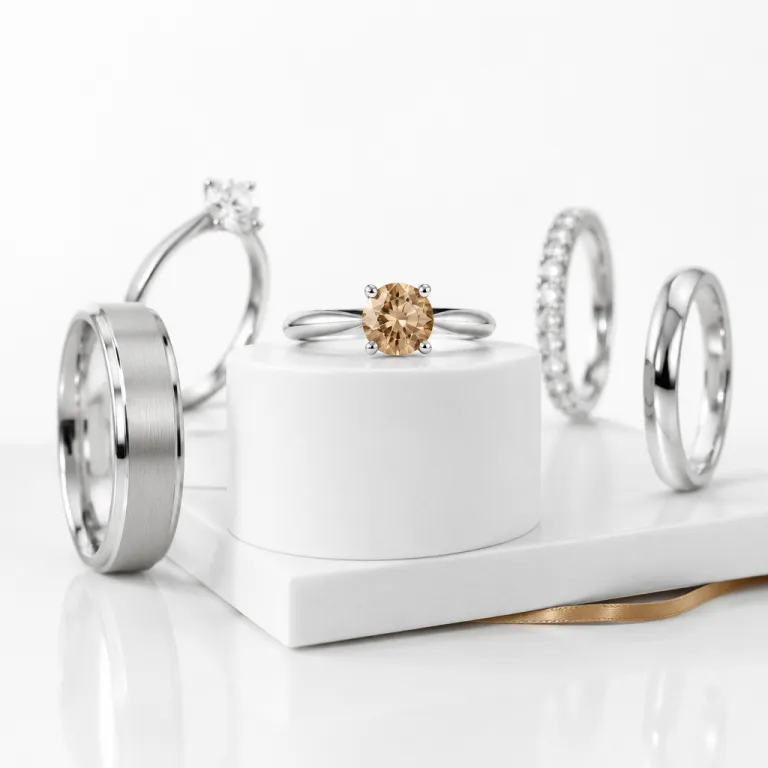
Colored gemstones are no longer a niche alternative to diamonds; they are a central storyline in the modern engagement ring market. From teal Montana sapphires to neon tourmalines, the colored gemstone engagement ring trend associated with ICA 2026 priorities reflects couples who want visible individuality and quieter sustainability credentials. This shift is changing how the jewelry industry allocates its marketing budgets, how retailers curate their cases, and how associations like ICA prioritize their agendas.
In practical terms, that means you will see more rings where a colored gemstone takes the lead and diamonds play a supporting role in halos or side stones. The mix of diamond and colored gems lets you balance budget, symbolism, and daily wear, especially if you choose a durable gemstone like sapphire or ruby for a bridal engagement ring. When you compare options, think about hardness, toughness, and setting style, because a 1.5 carat oval sapphire in a low bezel will wear very differently from a 1.0 carat emerald cut diamond in a high prong setting.
Ethical jewelry conversations are also expanding beyond the diamond story to include every stone on your hand. ICA’s focus on responsible sourcing encourages jewelers to talk openly about treatments, from heat in sapphires to oil in emeralds, so you can decide what feels acceptable. A colored gemstone engagement ring that meets ICA 2026 expectations of disclosure should make you feel informed, not overwhelmed, when you read the small print on a lab report.
For couples exploring more unusual options, guides to green opals for wedding rings that feel alive with color and meaning show how far tastes have moved from the classic solitaire. The jewelry association world is paying attention, because each new wave of colored gemstones that enters the bridal space forces updates to grading language, care instructions, and warranty policies. When you fall for a less traditional gemstone, ask your jeweler how they handle repairs and replacements, since not every stone can be swapped as easily as a round diamond.
Jewelry news from trade shows like JCK often highlights entire collection launches built around specific hues, such as cornflower blue sapphires or peach morganites. Those launches are not just aesthetic; they are also tests of how much consumer confidence exists in non diamond center stones at different price points. As buyers respond, retailers adjust their gemstone sourcing strategies, sometimes leaning more on ICA members to secure reliable supply.
For anyone drawn to antique inspired settings, the rise of colored gemstones pairs naturally with the renewed interest in old mine cut and old European cut diamonds. Articles on how the old mine cut changed everything inside the vintage diamond revival explain why chunky facets and warmer color grades suddenly feel right next to saturated sapphires or spinels. A colored gemstone engagement ring shaped by ICA 2026 era thinking might combine an old cut diamond with a halo of colored gemstones, blending legacy and modern ethics in one piece.
Ultimately, the appointment of Brandee Dallow as ICA chief executive signals that colored gemstones now have a dedicated champion at the highest level of the jewelry world. For you, that means the next wave of engagement rings will be shaped not only by fashion, but by clearer standards and stronger voices around how gems are brought to market. The ring that will matter most is not the one with the loudest marketing, but the one whose stones make sense for your hand, your habits, and how they catch light on a Tuesday morning.