Understanding torch liquid diamonds as a metaphor for stone setting choices
When couples search for “torch liquid diamonds how to use”, they are often looking for a vivid way to think about brilliance, flow, and impact in their wedding rings. In the context of fine jewelry, you can treat every reference to torch, liquid, and diamonds as a reminder to consider how light, movement, and intensity of sparkle will appear on your finger. Thinking about torch liquid diamonds and how to use this idea as inspiration helps you translate the intense high of visual impact into a refined, wearable design that suits everyday life.
In cannabis culture, terms such as THCA, THC, live resin, and liquid diamonds describe purity, potency, and terpene rich flavor. Used briefly as a metaphor, these ideas can also help you evaluate the visual strength of your diamonds. Imagine the gem as the chosen product and the metalwork as the device that controls its effects, just as a vape pen or a disposable vape device shapes how a cannabis product feels and tastes. Your ring’s setting becomes the elegant equivalent of a carefully tuned device, guiding how light flows across the stone and how high the perceived brilliance appears from every quick view angle.
Think of a solitaire diamond as the purest “concentrate”, similar to THCA diamonds or THC diamonds that are prized for clarity and strength. A VVS diamond grade resembles a terpene rich extract, where every inclusion free facet enhances the flavor of light and the live character of the stone. When you explore design options for your ring, you are essentially choosing between different levels of shine, different styles of visual intensity, and different approaches to how your love story will be seen in daily life.
From liquid flow to metal lines: translating imagery into ring architecture
The phrase torch liquid diamonds how to use can guide how you think about the flow of metal around your stones, even if you ultimately choose a classic, non themed design. Imagine the gold or platinum as a liquid that has cooled around a diamond, just as molten metal solidifies into a precise shape. This mindset helps you evaluate whether you prefer a smooth, lux liquid inspired bezel or a more open, torch like prong structure that lets light blaze through.
Just as a well designed device balances potency, flavor, and airflow, a ring setting balances diamond security, brilliance, and comfort on the hand. When you compare a sleek channel setting to a more sculptural tension setting, think of comparing a compact, streamlined tool to a more advanced, high performance version, each with different effects on how you experience the chosen product. In practical terms, a channel setting typically uses two continuous metal walls to hold a row of stones, while a tension setting grips the diamond between two ends of the band, so you should discuss minimum stone sizes and metal thickness with your jeweler to ensure durability. The metal lines can be minimal and discreet or bold and architectural, depending on how prominently you want the structure to appear.
Couples drawn to modern aesthetics often love east west settings, where the stone is set horizontally rather than vertically, and you can explore this option in depth through an east west setting guide for solitaire engagement rings. This orientation can echo an elongated trail of light, creating a sense of movement and live energy across the finger. When you review design options with your jeweler, ask to see how each east west or classic orientation affects the perceived potency of your diamonds and how the effects change under different lighting, just as carefully controlled variables change how a product feels at various doses.
Stone settings as “devices”: prong, bezel, and pavé compared to format choices
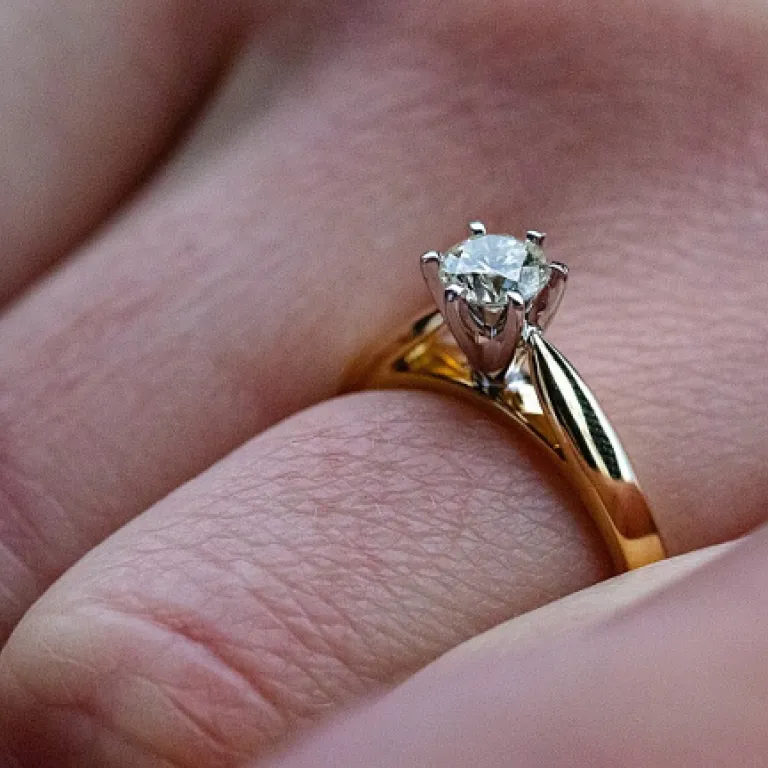
Thinking about torch liquid diamonds how to use in ring design means treating each setting style like a different format for enjoying a concentrate, while still focusing on proven jewelry techniques. A classic four prong setting behaves like a straightforward, no frills device, delivering a clean, high impact view of the diamond with minimal metal interference. Many round diamonds between 0.50 and 2.00 carats are secured with four or six prongs, with six prongs often recommended for extra security on stones above about 1.25 carats. In contrast, a bezel setting wraps the stone in metal, similar to how a protective casing encloses a refined product for controlled effects.
Pavé and micro pavé settings, where many small diamonds are set closely together, resemble a blend of tiny crystals and liquid shine, creating a continuous surface of sparkle that feels like a high potency shimmer rather than a single focal point. This style can be compared to a device that emphasizes flavor and texture, with each tiny stone acting like a molecule contributing to the overall experience. For daily wear, jewelers often recommend pavé stones in the 0.01 to 0.03 carat range, with sturdy shared prongs or beads to keep them secure. When you evaluate these choices with your jeweler, ask to see the ring under different lighting so you can judge the effects of each setting on brilliance and how high the visual intensity feels.
For a deeper understanding of how different stone settings influence style and symbolism, explore a dedicated resource on the allure of stone set wedding rings. This perspective helps you see prong, bezel, and pavé not just as technical terms but as flexible options for expressing your shared story, much like choosing between different product formats. Each setting, like each format, carries its own balance of security, comfort, and visual potency, and your final chosen product should align with your lifestyle and daily wear habits.
Clarity, color, and “potency”: reading diamonds like concentrates
When couples ask about torch liquid diamonds how to use as inspiration, they often want to understand how to read diamond quality with the same care enthusiasts apply to concentrates. Clarity in a diamond parallels the purity of THCA diamonds or THC diamonds, where fewer inclusions mean a cleaner, more intense visual high. A VVS diamond, with very very slight inclusions, is like a top tier, terpene rich live resin, offering both purity and character in one refined product.
Color grading, from icy white to warm champagne, can be compared to the flavor spectrum in cannabis, where terpene profiles shape the taste and effects of each strain. Just as a carefully engineered device can highlight different flavor notes in a liquid diamonds or live resin cartridge, your chosen setting can either emphasize or soften the color of your stone. A white gold bezel might cool a slightly warm diamond, while a yellow gold pavé band can make the same stone feel intentionally rich, much like choosing between different dominant profiles in concentrates for different experiences.
Potency in ring design is not about THC or delta THC content, but about how strongly the diamond’s presence is felt from a quick view across the room. Larger carat weights, higher clarity, and brighter cuts all increase this perceived potency, similar to how a high percentage THCA or THC product delivers stronger effects. As a starting point, many couples find that a 1.00 carat round diamond on a 2.0 to 2.5 mm band offers a balanced look, while a 0.50 carat stone can appear substantial on a slimmer 1.6 to 1.8 mm shank. When reviewing design options, ask your jeweler to line up several diamonds THCA style, meaning side by side comparisons, so you can see how small changes in clarity, color, and cut alter the overall effects of the stone on your finger.
Designing your ring “device”: matching lifestyle, comfort, and long term wear
Using the idea of torch liquid diamonds how to use in daily life, think of your wedding ring as a device you will “wear test” every day. Just as you would choose between a disposable vape and a reusable vape pen based on your habits, you should choose between delicate and robust settings according to your lifestyle. If you work with your hands or exercise frequently, a low profile bezel or channel setting can protect your diamonds like a sturdy device casing protects a cannabis product. In practical terms, low profile designs keep the stone closer to the finger, often with a gallery height of only a few millimeters above the band, which reduces snagging.
Comfort is as crucial as aesthetics, because a ring that feels intrusive will eventually stay in a drawer, no matter how high its visual potency. Rounded inner edges, known as comfort fit, function like ergonomic design in a thoughtfully engineered device, ensuring the ring glides on and off smoothly. Many comfort fit bands are slightly thicker at the center and taper toward the edges, so you may want to try on widths from 1.8 mm to 3.0 mm to see what feels best. When discussing options with your jeweler, mention any sensitivities, such as reactions to certain alloys, just as you would discuss tolerance and preferences with a specialist to avoid unwanted effects.
Maintenance also matters, because pavé settings with many small stones require more regular checks than a single diamond in a sturdy bezel. Think of this like the difference between maintaining a complex live resin setup and using a simple diamonds disposable cartridge, where the former demands more attention but can deliver nuanced flavor. Ask your jeweler for a schedule of recommended cleanings and inspections, and treat these visits as part of caring for your chosen product, ensuring that your ring’s brilliance and structural integrity remain as reliable as the day you first slipped it on.
From inspiration to final ring: working with your jeweler like a trusted guide
When you bring the concept of torch liquid diamonds how to use into a design consultation, you give your jeweler a vivid language for understanding your priorities. Share images, describe whether you prefer a clean, high clarity look like THCA diamonds or a more textured, vintage feel similar to terpene rich live resin, and be honest about your budget. A skilled jeweler will translate these preferences into concrete options for stone size, setting style, and metal choice, often sketching or using 3D models so you can visualize proportions before committing.
Approach the appointment as you would a detailed quick view of cannabis products, where you compare THC, THCA, and delta THC levels, terpene profiles, and device compatibility. Ask to see different VVS diamond and non VVS diamond stones under magnification, and request to handle sample bands to feel the weight and comfort of each device like design. Pay attention to how the ring sits on your finger, whether it spins, and how high the center stone sits relative to neighboring fingers. Use resources such as the guide on understanding every part of a necklace to inspire your wedding ring design to refine how you talk about curves, proportions, and how liquid like metal should appear around your stones.
As you narrow down your choices, remember that your final chosen product should feel as natural and intuitive as your preferred vape pen or disposable vape format. The goal is a ring whose effects on your mood are consistently uplifting, whose diamonds THCA style brilliance remains strong, and whose setting protects the stone with quiet confidence. When torch, liquid, diamond, resin, lux, and cannabis inspired metaphors all align into one coherent vision, you end up with a wedding ring that feels both deeply personal and elegantly timeless.
Key figures and trends in diamond and wedding ring choices
- According to De Beers Group consumer research, more than 70 % of couples still choose diamonds as the primary stone for engagement and wedding rings, showing the enduring appeal of high brilliance gems (see the De Beers Diamond Insight Report at debeersgroup.com for detailed data and methodology).
- Data from the Gemological Institute of America indicates that round brilliant cuts account for roughly half of all diamonds sold for engagement rings, because this cut maximizes light return and perceived potency of sparkle (GIA education materials at gia.edu report similar proportions and explain why this cut is so efficient).
- Industry surveys from the Natural Diamond Council report that custom designed rings now represent around one third of engagement ring purchases, reflecting a growing desire for options in stone settings and personalized metalwork (summarized in Natural Diamond Council consumer trend reports at naturaldiamonds.com).
- Market analyses from Bain & Company show that lab grown diamonds have reached a double digit share of the global diamond jewelry market, offering couples more budget flexibility for investing in intricate settings such as pavé and halo designs (see Bain & Company’s Global Diamond Report at bain.com for current figures and projections).
FAQ about stone settings and using “torch liquid diamonds” as inspiration
How can the idea of torch liquid diamonds guide my choice of stone setting ?
Use the phrase as a reminder to prioritize flow of light, intensity of sparkle, and how the metal supports the stone, much like a device supports a concentrate. Ask yourself whether you want a blazing, torch like brilliance or a softer, liquid glow, then choose prong, bezel, or pavé settings that match that vision. This approach keeps your focus on how the ring will look and feel in real daily conditions, from bright daylight to softer indoor lighting.
Which stone setting is most secure for an active lifestyle ?
Bezel and channel settings generally offer the highest security, because metal surrounds or frames the stones and protects them from direct impact. Low profile designs are less likely to catch on clothing or equipment, making them ideal for people who use their hands frequently. Prong settings can still be safe if well made, but they require more regular checks to ensure the prongs remain tight, especially on larger center stones.
How do clarity and color grades affect the look of my diamond in different settings ?
Higher clarity grades, such as VVS, allow more light to pass through the stone without visual interruptions, which is especially noticeable in open prong settings. Color interacts strongly with metal choice, so a near colorless diamond often looks brightest in white metals, while slightly warmer stones can appear rich and intentional in yellow or rose gold. Your jeweler can show side by side comparisons so you can see how each combination changes the overall impression.
Is pavé a good option for a wedding band I will wear every day ?
Pavé bands offer intense sparkle and a luxurious look, but they do require more maintenance than plain or bezel set bands. If you choose pavé for daily wear, plan for regular inspections to ensure the small stones remain secure, especially along the underside of the band. Many couples opt for a pavé engagement ring paired with a simpler, more robust wedding band for maximum flexibility.
How should I prepare for a custom ring design consultation with my jeweler ?
Bring reference images, note which elements you like in each, and think about your daily activities, comfort preferences, and long term maintenance expectations. Be ready to discuss budget openly so your jeweler can suggest realistic options for stone size, quality, and setting complexity. Writing down a few key priorities, such as “maximum brilliance” or “low profile and secure”, helps keep the conversation focused and productive.
